
Middle Back Exercises
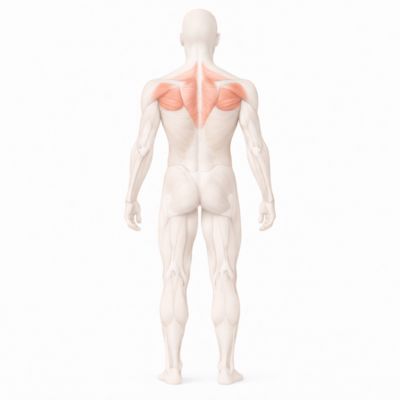 Middle back exercises target the muscles responsible for scapular control and upper-back stability. Strong middle back muscles improve posture, enhance pulling strength, and help reduce strain on the shoulders and neck during training and daily activities.
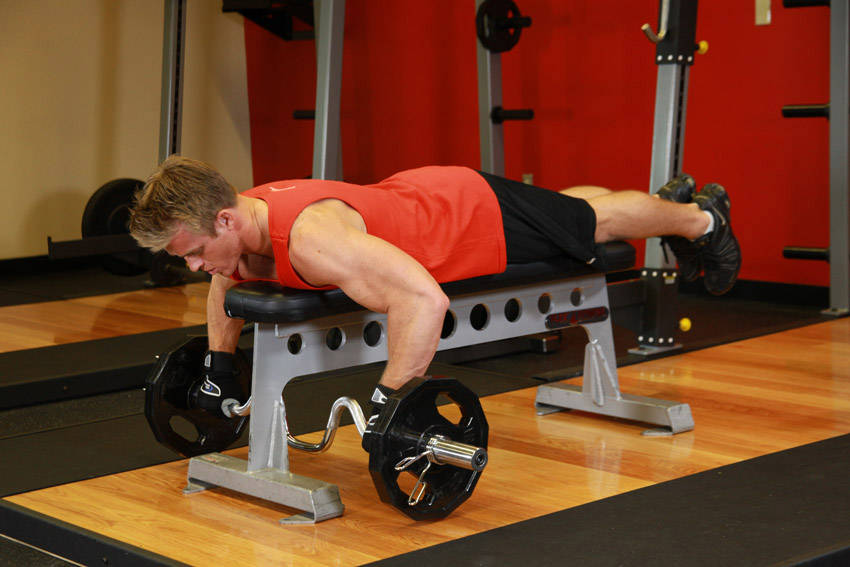
Lying Cambered Barbell Row
Place a cambered bar underneath an exercise bench. Lie face down on the exercise bench and grab the bar using a palms...
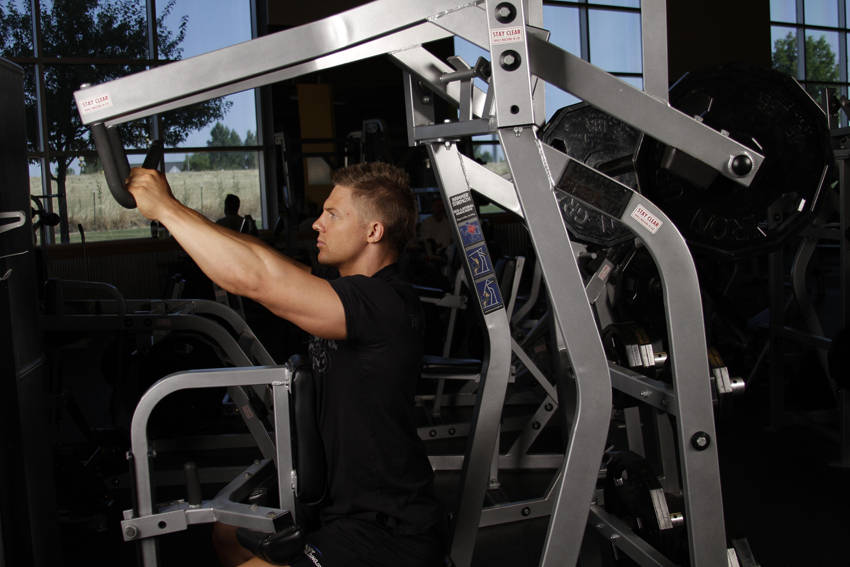
Leverage High Row
Load an appropriate weight onto the pins and adjust the seat height so that you can just reach the handles above you....
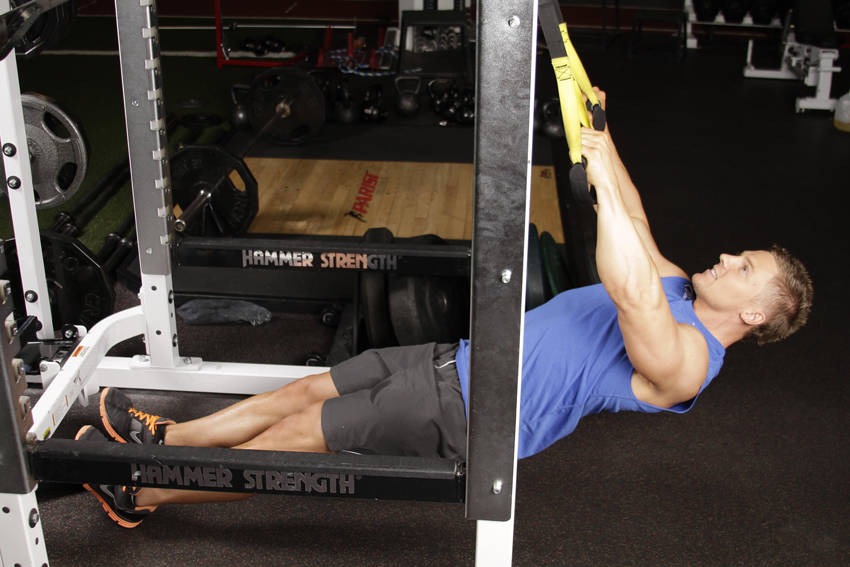
Inverted Row with Straps
Hang a rope or suspension straps from a rack or other stable object. Grasp the ends and position yourself in a supine...
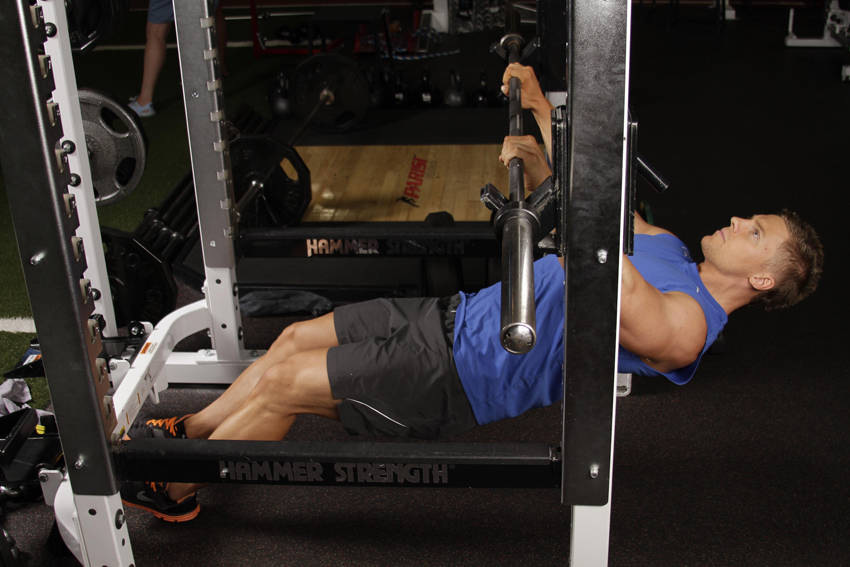
Inverted Row
Position a bar in a rack to about waist height. You can also use a smith machine. Take a wider than shoulder width gr...
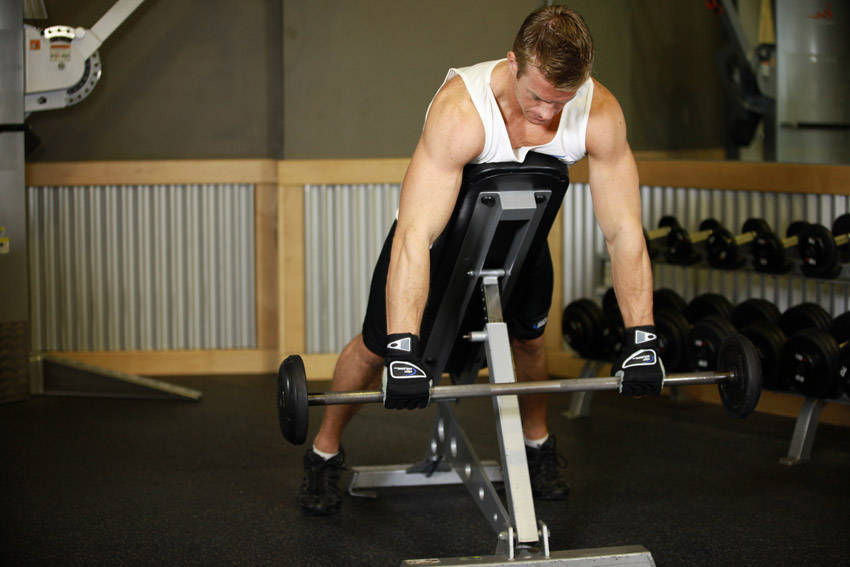
Incline Bench Pull
Grab a dumbbell in each hand and lie face down on an incline bench that is set to an incline that is approximately 30...
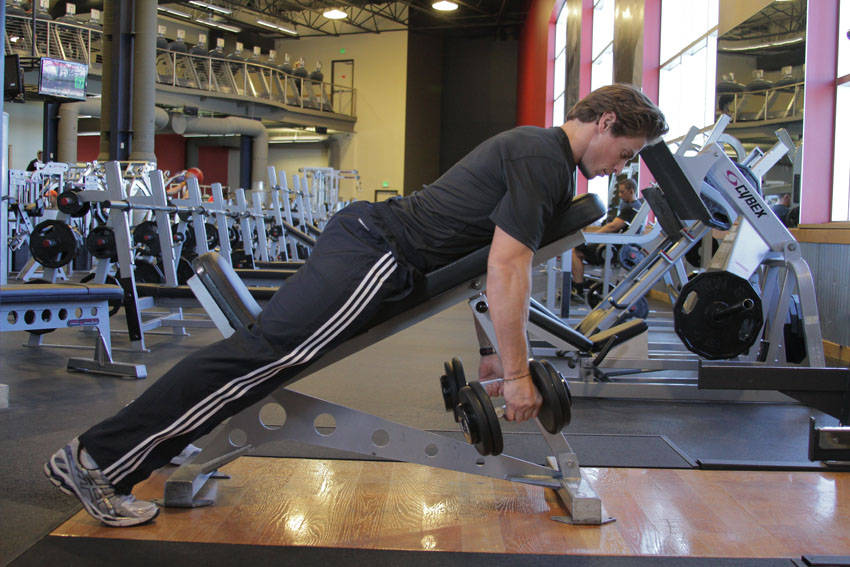
Dumbbell Incline Row
Using a neutral grip, lean into an incline bench. Take a dumbbell in each hand with a neutral grip, beginning with th...
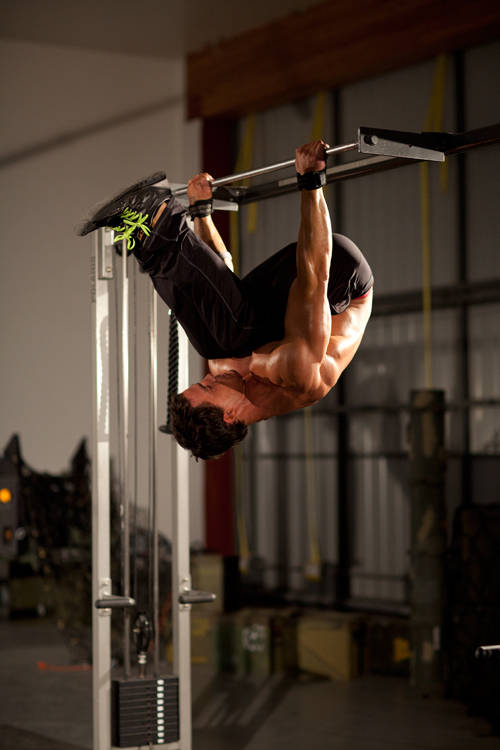
Bodyweight Mid Row
Begin by taking a medium to wide grip on a pull-up apparatus with your palms facing away from you. From a hanging pos...
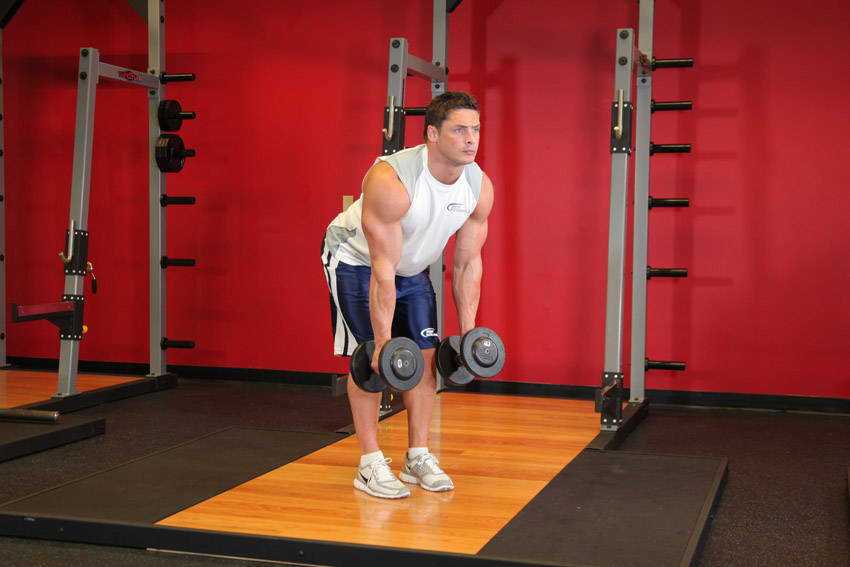
Bent Over Two-Dumbbell Row With Palms In
With a dumbbell in each hand (palms facing each other), bend your knees slightly and bring your torso forward, by ben...
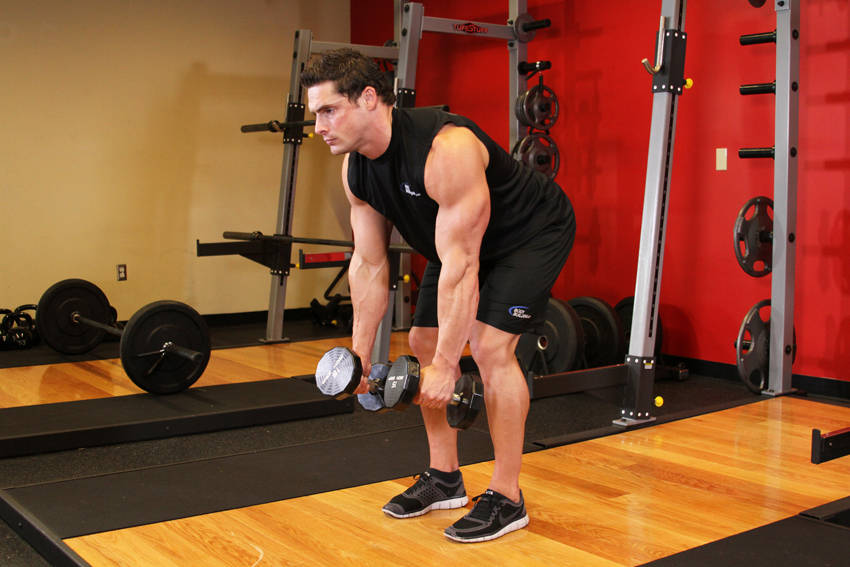
Bent Over Two-Dumbbell Row
With a dumbbell in each hand (palms facing your torso), bend your knees slightly and bring your torso forward by bend...
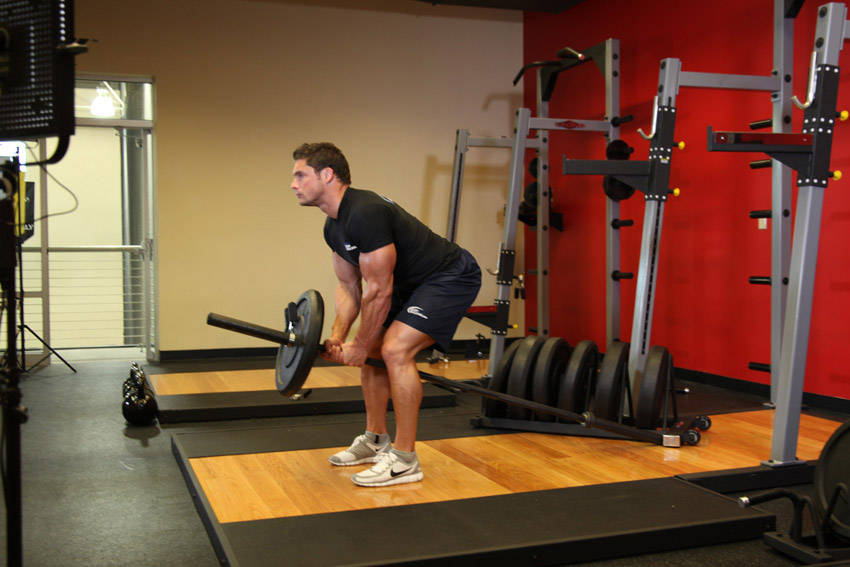
Bent Over Two-Arm Long Bar Row
Put weight on one of the ends of an Olympic barbell. Make sure that you either place the other end of the barbell in ...
How to Train the Middle Back Effectively
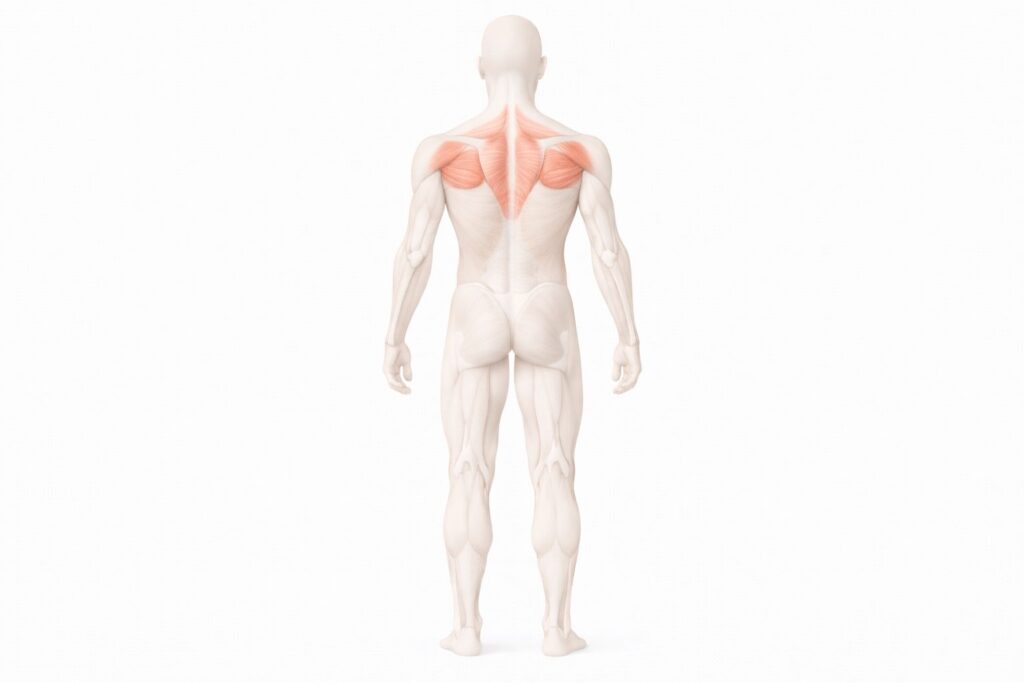
The middle back muscles play a key role in posture, shoulder blade movement, and upper-body stability. They help control retraction and depression of the shoulder blades and are heavily involved in rowing and pulling exercises. Weak middle back muscles can contribute to rounded shoulders, poor posture, and shoulder discomfort.
To train the middle back effectively, focus on controlled pulling movements that emphasize squeezing the shoulder blades together. Proper form, moderate loads, and full range of motion are essential for building strength while avoiding excessive strain on the shoulders and lower back.
A balanced middle back workout often includes:
- Horizontal pulls: barbell rows, dumbbell rows, seated cable rows
- Scapular-focused work: face pulls, band pull-aparts
- Unilateral movements: single-arm rows for balance and symmetry
Form Tips for Middle Back Training
- Initiate each rep by pulling the shoulder blades together.
- Avoid shrugging the shoulders upward.
- Keep the chest lifted and spine neutral.
- Control both the pulling and lowering phases.
Common Questions
How often should the middle back be trained?
Middle back exercises can be trained 1–2 times per week, often alongside other back-focused workouts.
Why is middle back strength important?
Strong middle back muscles support healthy posture, reduce shoulder strain, and improve performance in pulling movements.