
Middle Back Exercises
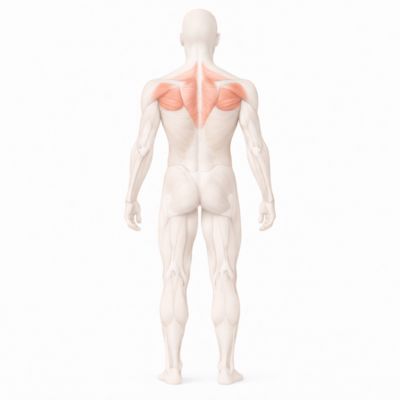 Middle back exercises target the muscles responsible for scapular control and upper-back stability. Strong middle back muscles improve posture, enhance pulling strength, and help reduce strain on the shoulders and neck during training and daily activities.
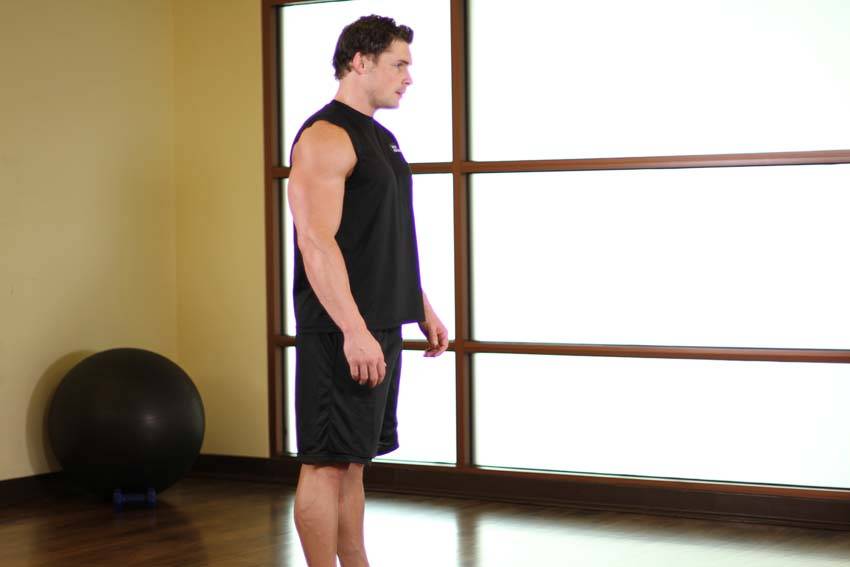
Upper Back Stretch
Clasp fingers together with your thumbs pointing down, round your shoulders as you reach your hands forward.
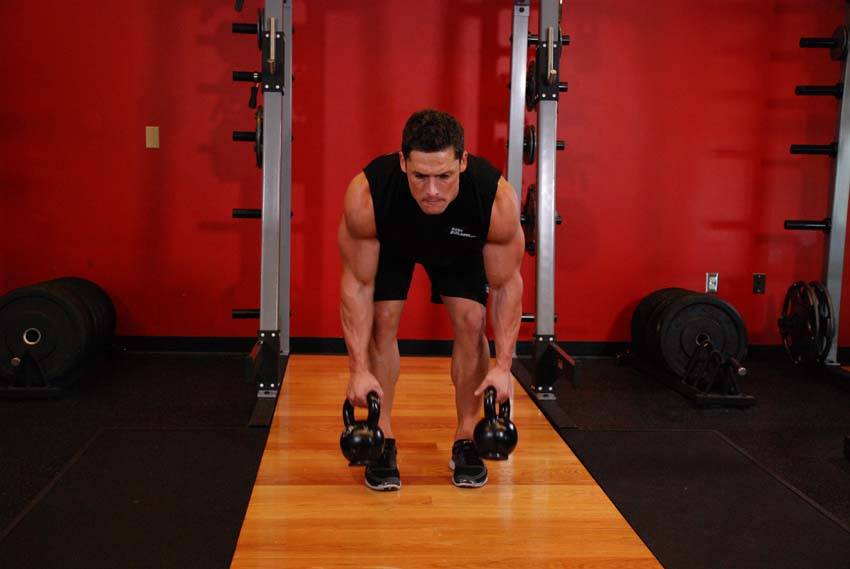
Two-Arm Kettlebell Row
Place two kettlebells in front of your feet. Bend your knees slightly and then push your butt out as much as possible...

T-Bar Row with Handle
Position a bar into a landmine or in a corner to keep it from moving. Load an appropriate weight onto your end. Stand...

Suspended Row
Suspend your straps at around chest height. Take a handle in each hand and lean back. Keep your body erect and your h...

Straight Bar Bench Mid Rows
Place a loaded barbell on the end of a bench. Standing on the bench behind the bar, take a medium, pronated grip. Sta...
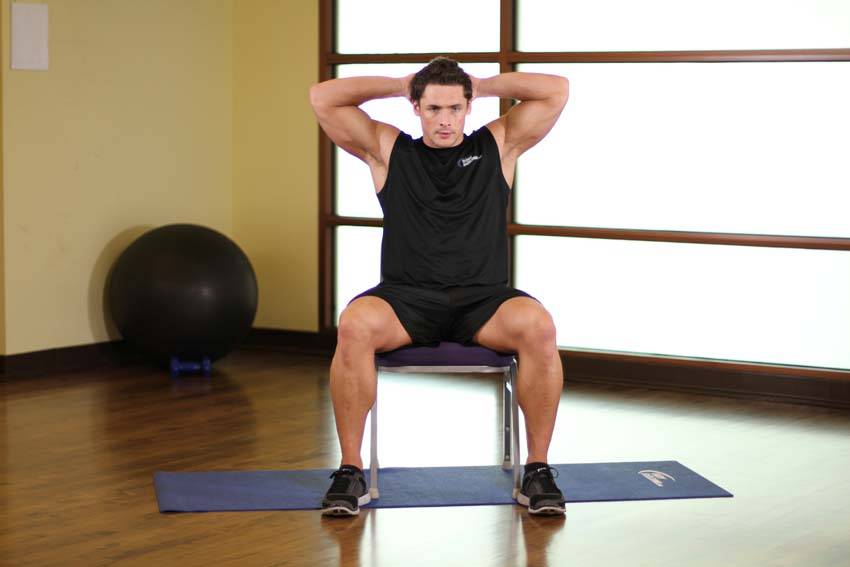
Spinal Stretch
Sit in a chair so your back is straight and your feet planted on the floor. Interlace your fingers behind your head, ...
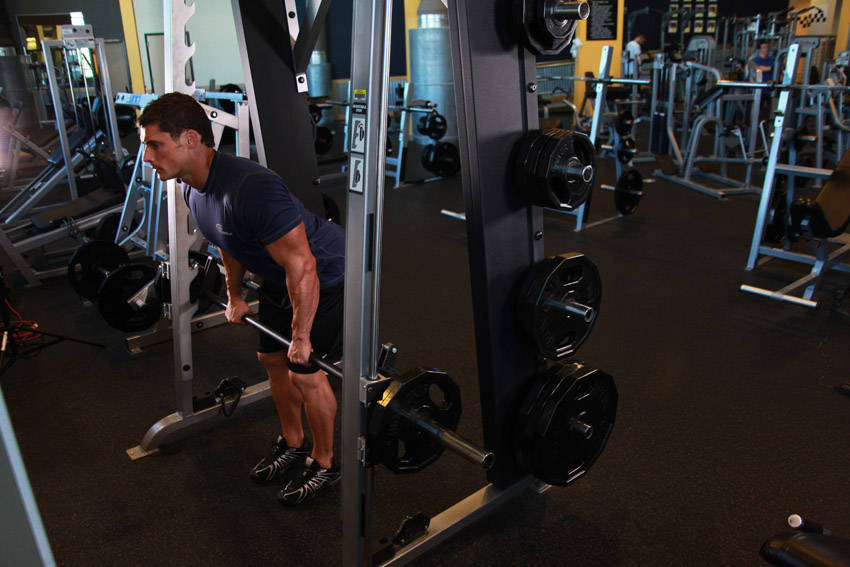
Smith Machine Bent Over Row
Set the barbell attached to the smith machine to a height that is about 2 inches below your knees. Bend your knees sl...
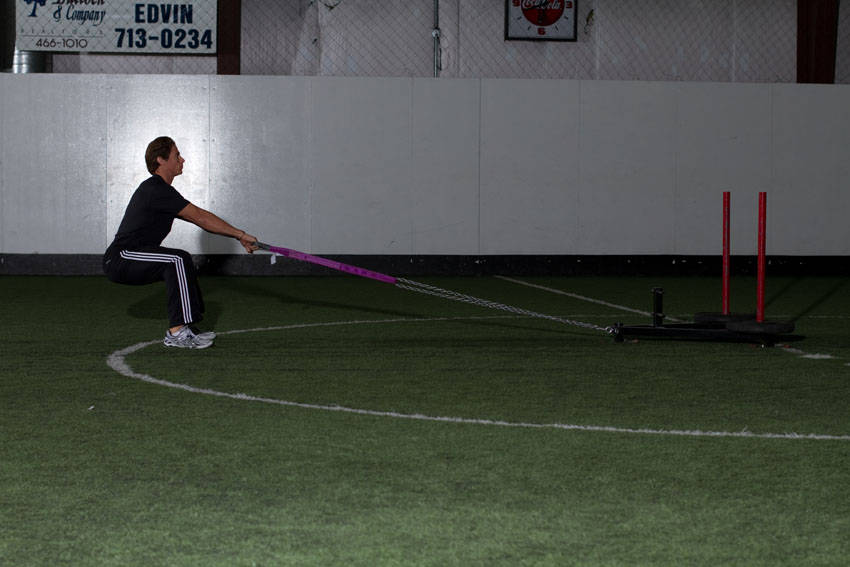
Sled Row
Attach dual handles to a sled connected by a rope or chain. Load the sled to an appropriate weight. Face the sled, ba...
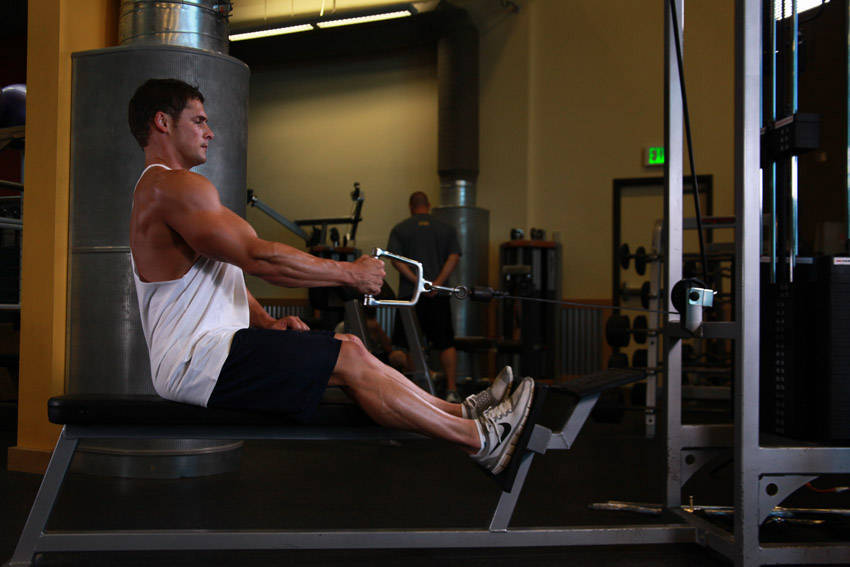
Seated One-arm Cable Pulley Rows
To get into the starting position, first sit down on the machine and place your feet on the front platform or crossba...
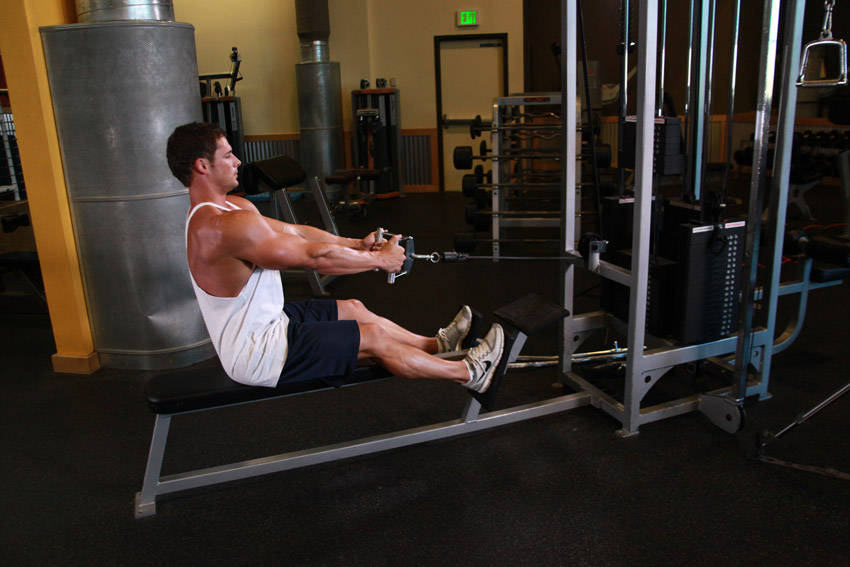
Seated Cable Rows
For this exercise you will need access to a low pulley row machine with a V-bar. Note: The V-bar will enable you to h...
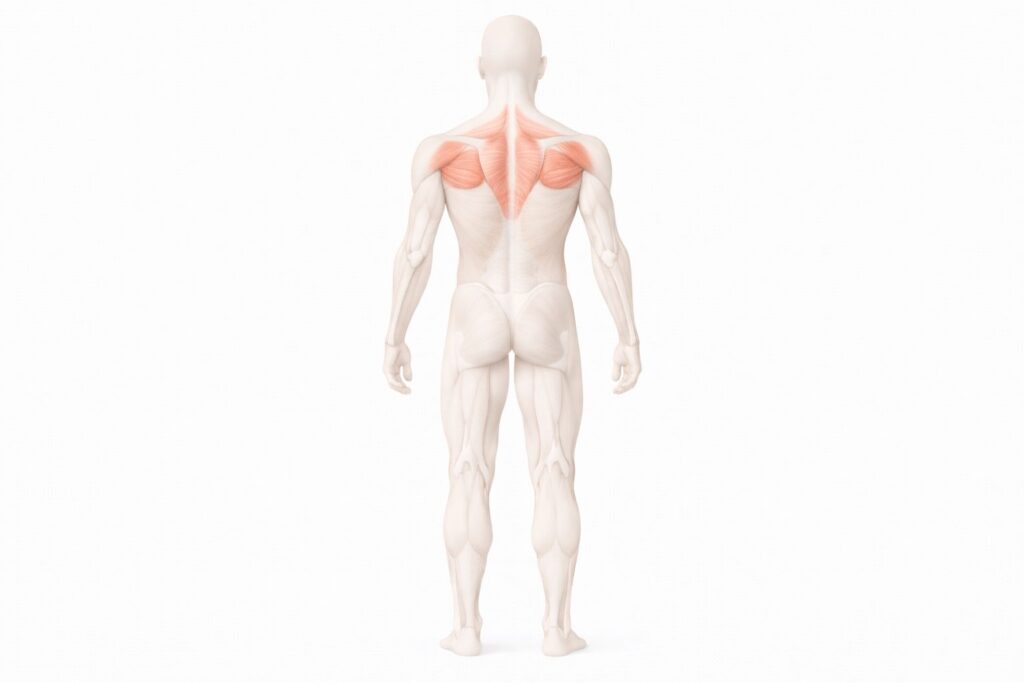
How to Train the Middle Back Effectively
The middle back muscles play a key role in posture, shoulder blade movement, and upper-body stability. They help control retraction and depression of the shoulder blades and are heavily involved in rowing and pulling exercises. Weak middle back muscles can contribute to rounded shoulders, poor posture, and shoulder discomfort.
To train the middle back effectively, focus on controlled pulling movements that emphasize squeezing the shoulder blades together. Proper form, moderate loads, and full range of motion are essential for building strength while avoiding excessive strain on the shoulders and lower back.
A balanced middle back workout often includes:
- Horizontal pulls: barbell rows, dumbbell rows, seated cable rows
- Scapular-focused work: face pulls, band pull-aparts
- Unilateral movements: single-arm rows for balance and symmetry
Form Tips for Middle Back Training
- Initiate each rep by pulling the shoulder blades together.
- Avoid shrugging the shoulders upward.
- Keep the chest lifted and spine neutral.
- Control both the pulling and lowering phases.
Common Questions
How often should the middle back be trained?
Middle back exercises can be trained 1–2 times per week, often alongside other back-focused workouts.
Why is middle back strength important?
Strong middle back muscles support healthy posture, reduce shoulder strain, and improve performance in pulling movements.