
Middle Back Exercises
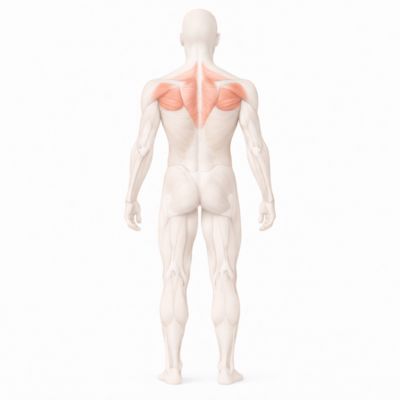 Middle back exercises target the muscles responsible for scapular control and upper-back stability. Strong middle back muscles improve posture, enhance pulling strength, and help reduce strain on the shoulders and neck during training and daily activities.
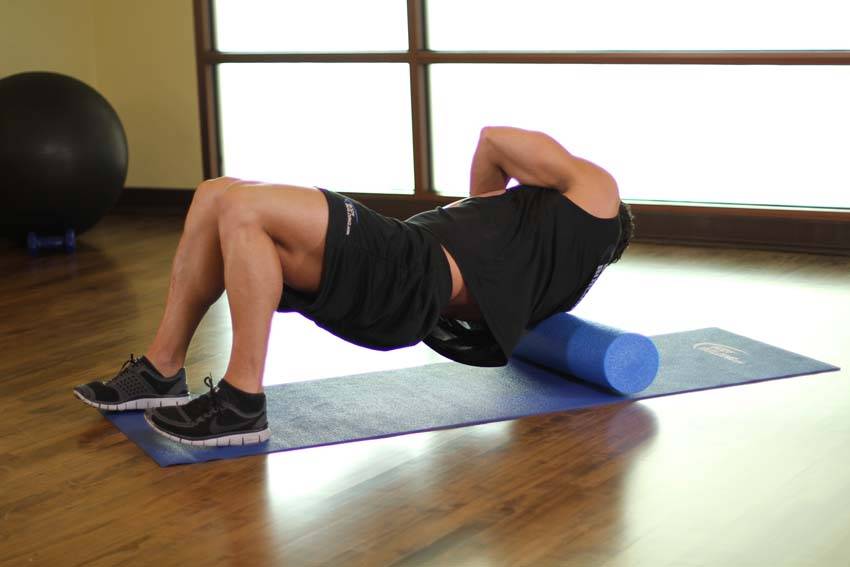
Rhomboids-SMR
Lay down with your back on the floor. Place a foam roll underneath your upper back, and cross your arms in front of y...
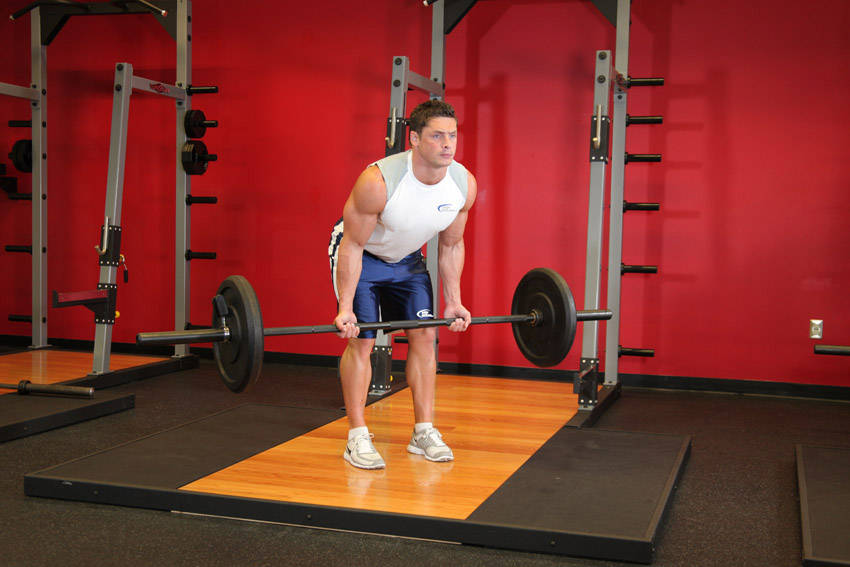
Reverse Grip Bent-Over Rows
Stand erect while holding a barbell with a supinated grip (palms facing up). Bend your knees slightly and bring your ...

One Arm Chin-Up
For this exercise, start out by placing a towel around a chin up bar. Grab the chin-up bar with your palm facing you....
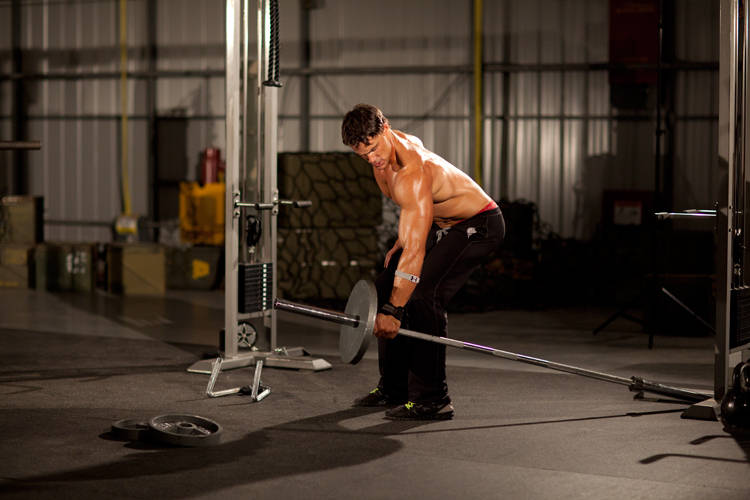
One-Arm Long Bar Row
Position a bar into a landmine or in a corner to keep it from moving. Load an appropriate weight onto your end. Stand...
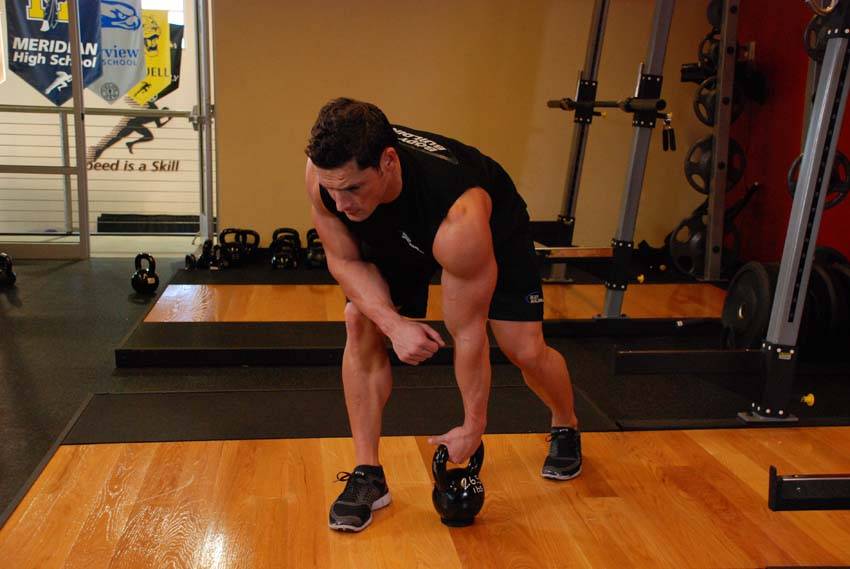
One-Arm Kettlebell Row
Place a kettlebell in front of your feet. Bend your knees slightly and then push your butt out as much as possible as...
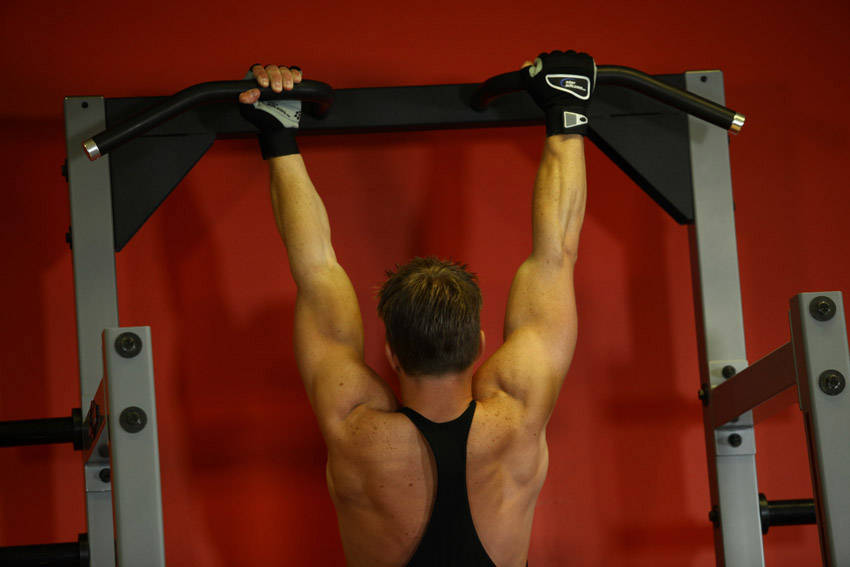
Mixed Grip Chin
Using a spacing that is just about 1 inch wider than shoulder width, grab a pull-up bar with the palms of one hand fa...
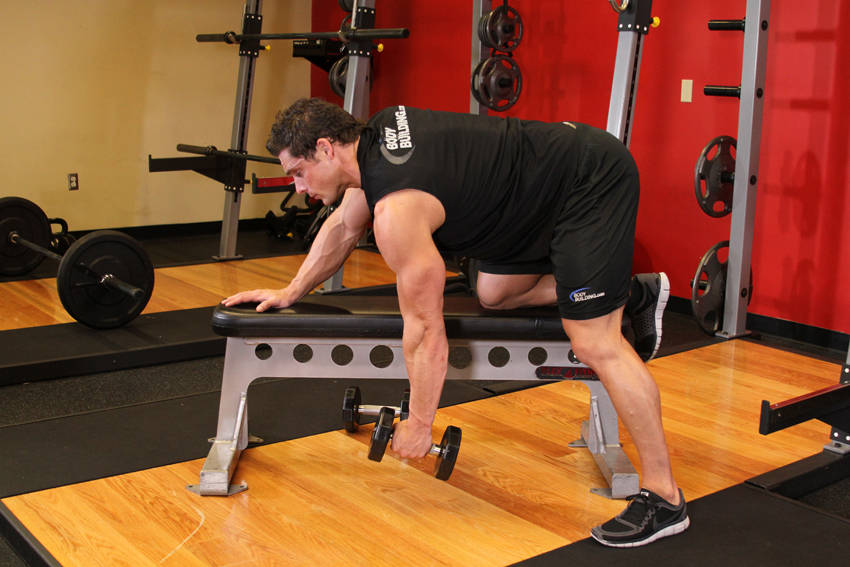
One-Arm Dumbbell Row
Choose a flat bench and place a dumbbell on each side of it. Place the right leg on top of the end of the bench, bend...
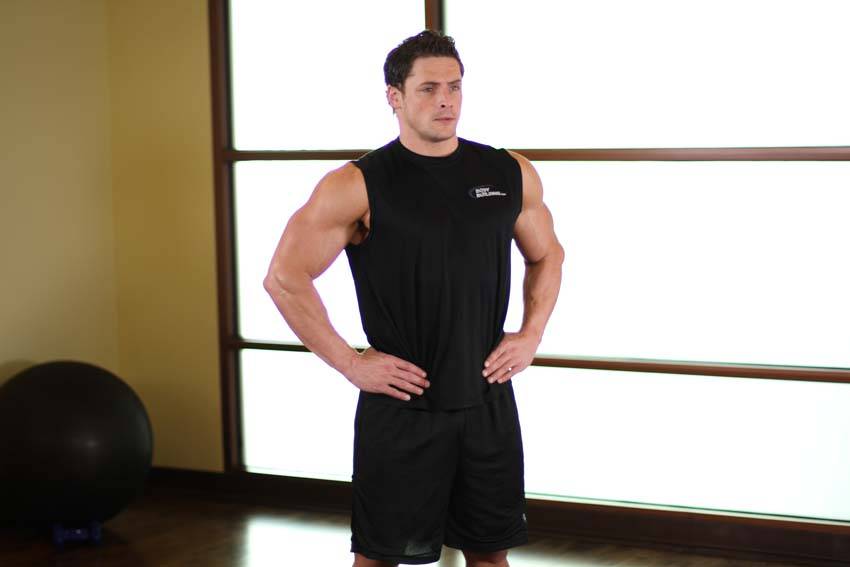
Middle Back Stretch
Stand so your feet are shoulder width apart and your hands are on your hips. Twist at your waist until you feel a str...
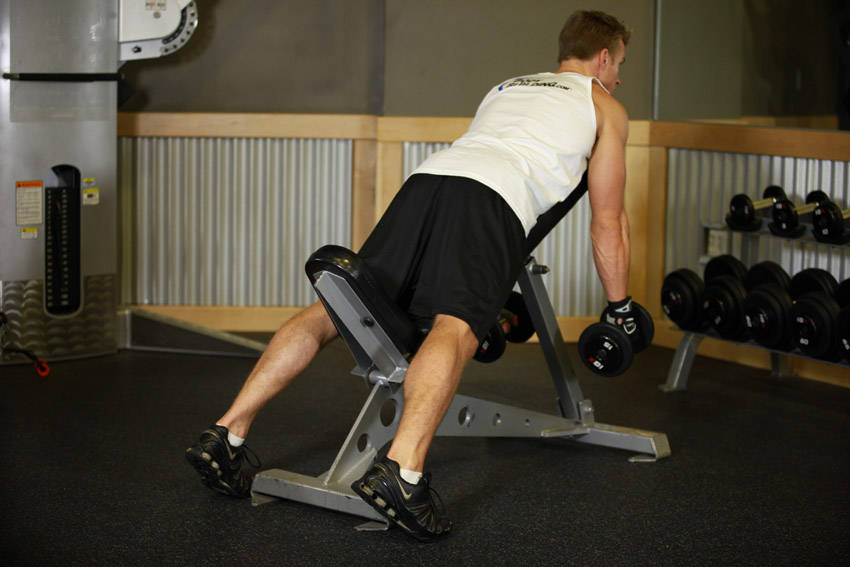
Middle Back Shrug
Lie facedown on an incline bench while holding a dumbbell in each hand. Your arms should be fully extended hanging do...
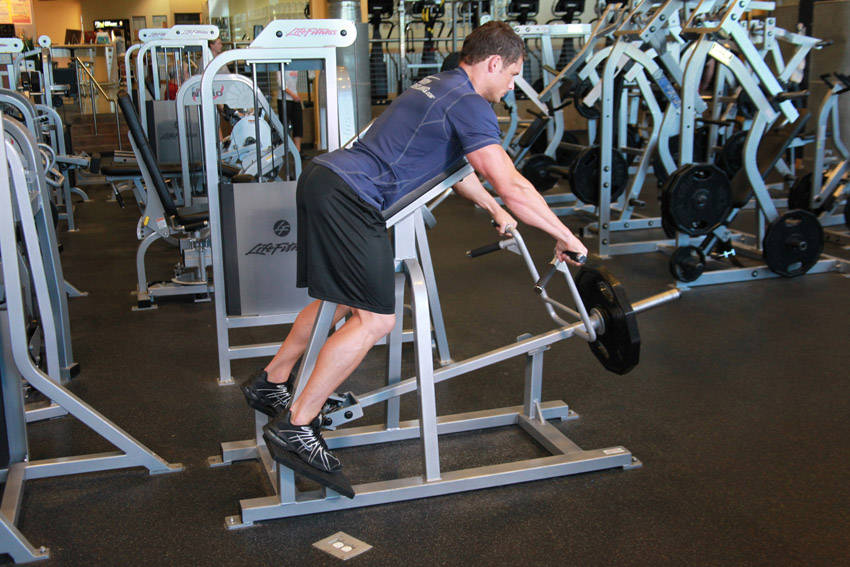
Lying T-Bar Row
Load up the T-bar Row Machine with the desired weight and adjust the leg height so that your upper chest is at the to...
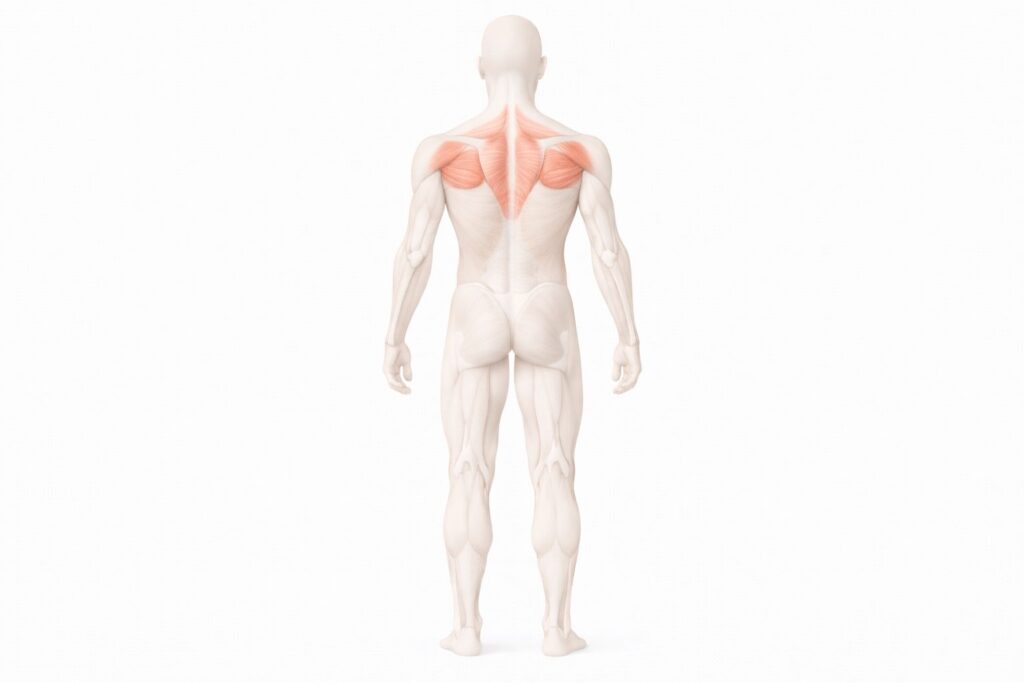
How to Train the Middle Back Effectively
The middle back muscles play a key role in posture, shoulder blade movement, and upper-body stability. They help control retraction and depression of the shoulder blades and are heavily involved in rowing and pulling exercises. Weak middle back muscles can contribute to rounded shoulders, poor posture, and shoulder discomfort.
To train the middle back effectively, focus on controlled pulling movements that emphasize squeezing the shoulder blades together. Proper form, moderate loads, and full range of motion are essential for building strength while avoiding excessive strain on the shoulders and lower back.
A balanced middle back workout often includes:
- Horizontal pulls: barbell rows, dumbbell rows, seated cable rows
- Scapular-focused work: face pulls, band pull-aparts
- Unilateral movements: single-arm rows for balance and symmetry
Form Tips for Middle Back Training
- Initiate each rep by pulling the shoulder blades together.
- Avoid shrugging the shoulders upward.
- Keep the chest lifted and spine neutral.
- Control both the pulling and lowering phases.
Common Questions
How often should the middle back be trained?
Middle back exercises can be trained 1–2 times per week, often alongside other back-focused workouts.
Why is middle back strength important?
Strong middle back muscles support healthy posture, reduce shoulder strain, and improve performance in pulling movements.