
Incline Bench Pull Exercise
Builds strength and control by improving stability, coordination, and efficient movement.
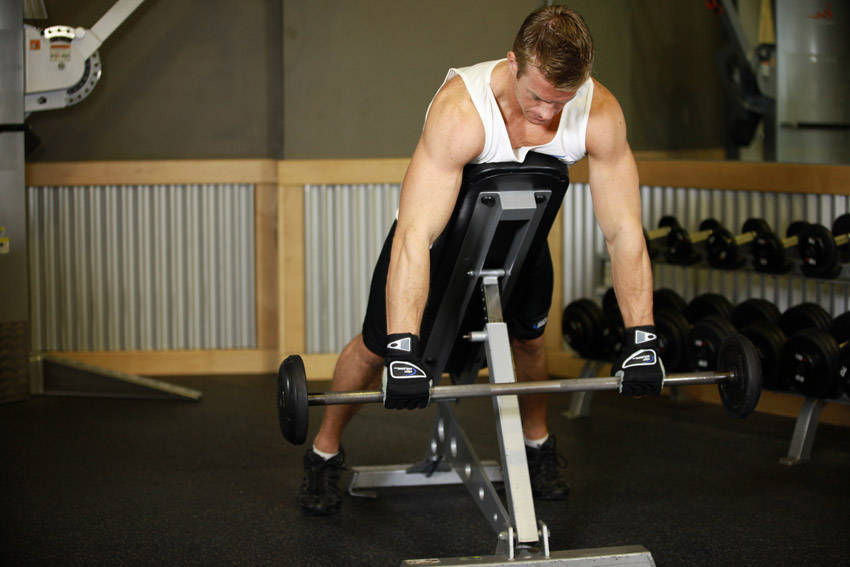

Description
Incline bench pull focuses on controlled movement and maintaining proper body alignment throughout the exercise. The goal is to create tension where needed while avoiding unnecessary strain or momentum. This helps improve movement quality, joint stability, and overall physical control.
Instructions:
- Grab a dumbbell in each hand and lie face down on an incline bench that is set to an incline that is approximately 30 degrees.
- Let the arms hang to your sides fully extended as they point to the floor.
- Turn the wrists until your hands have a pronated (palms down) grip.
- Now flare the elbows out. This will be your starting position.
- As you breathe out, start to pull the dumbbells up as if you are doing a reverse bench press. You will do this by bending at the elbows and bringing the upper arms up as you let the forearms hang. Continue this motion until the upper arms are at the same level as your back. Tip: The elbows will come out to the side and your upper arms and torso should make the letter "T" at the top of the movement. Hold the contraction at the top for a second.
- Slowly go back down to the starting position as you breathe in.
- Repeat for the recommended amount of repetitions.
Exercise FAQ
What should I do if I feel it in the wrong place?
Check your setup, slow down, and reduce weight. If discomfort is sharp or in a joint, stop and choose an easier variation. Think of it as pressing done with repeatable, clean reps.
What’s the safest way to progress over time?
Add a small amount of reps first, then load. If technique slips, step back and rebuild with cleaner reps. Think of it as pressing done with repeatable, clean reps.
What’s a common mistake people make here?
Rushing reps and losing body position. Keep the movement smooth and repeatable so tension stays where you want it.
Disclaimer
This content is for educational purposes only and does not replace professional medical or fitness advice. Consult a qualified healthcare provider before beginning any new exercise routine. Exercise safely and listen to your body.
Alternative exercises:
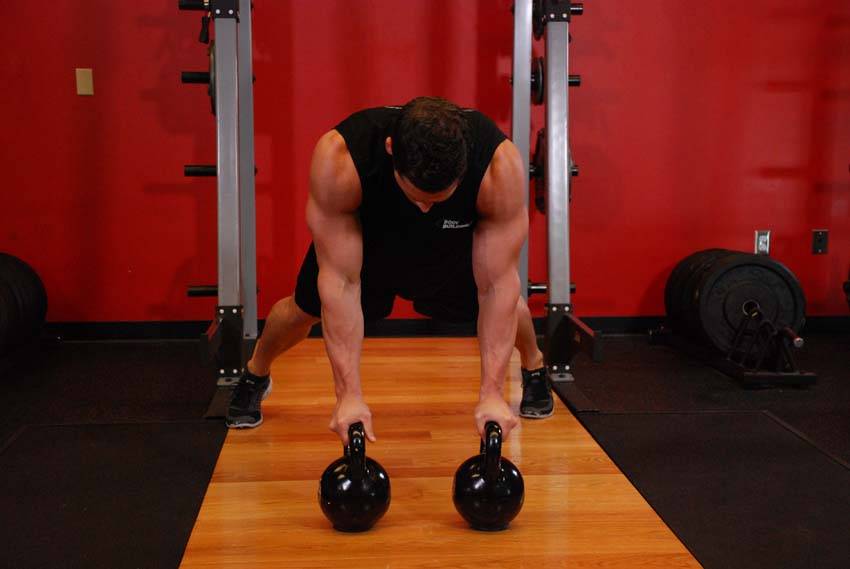
Alternating Renegade Row
Place two kettlebells on the floor about shoulder width apart. Position yourself on your toes and your hand...
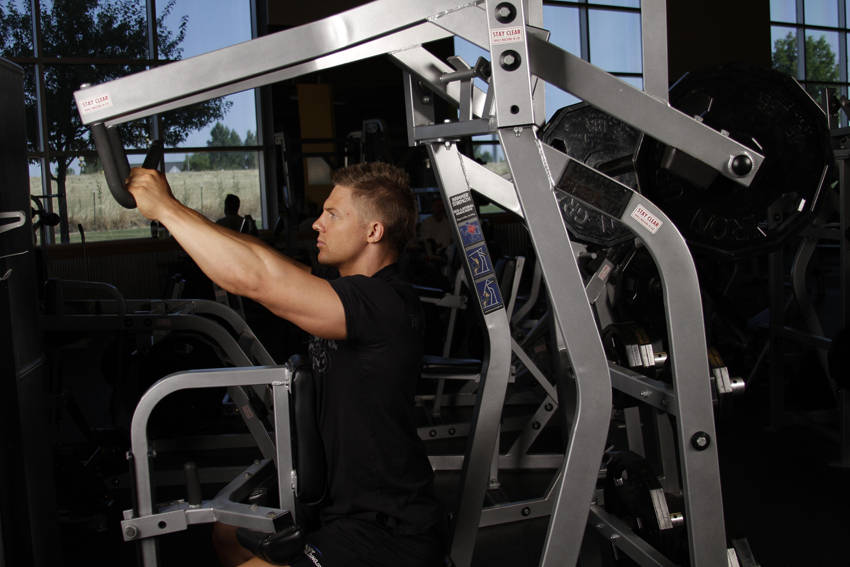
Leverage High Row
Load an appropriate weight onto the pins and adjust the seat height so that you can just reach the handles ...
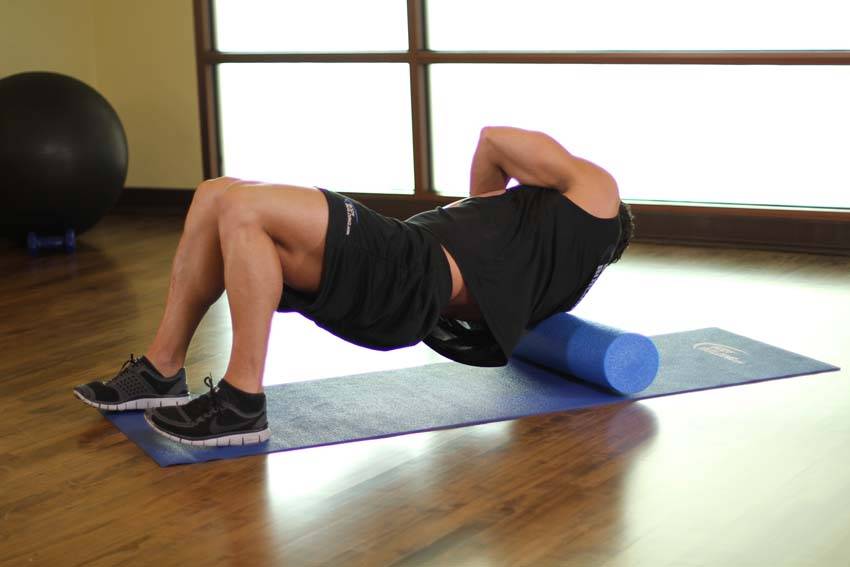
Rhomboids-SMR
Lay down with your back on the floor. Place a foam roll underneath your upper back, and cross your arms in ...