
Hamstrings Exercises
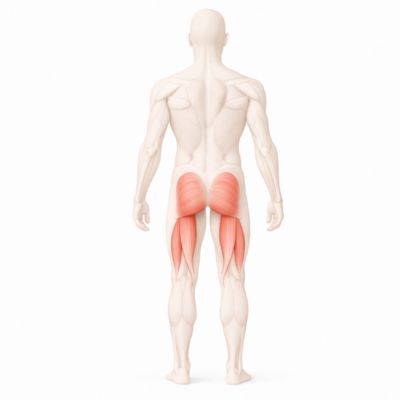 Hamstrings exercises target the muscles at the back of the upper legs that control hip extension and knee flexion. Strong hamstrings improve athletic performance, protect the knees and lower back, and support powerful, balanced lower-body movement.

Natural Glute Ham Raise
Using the leg pad of a lat pulldown machine or a preacher bench, position yourself so that your ankles are under the ...
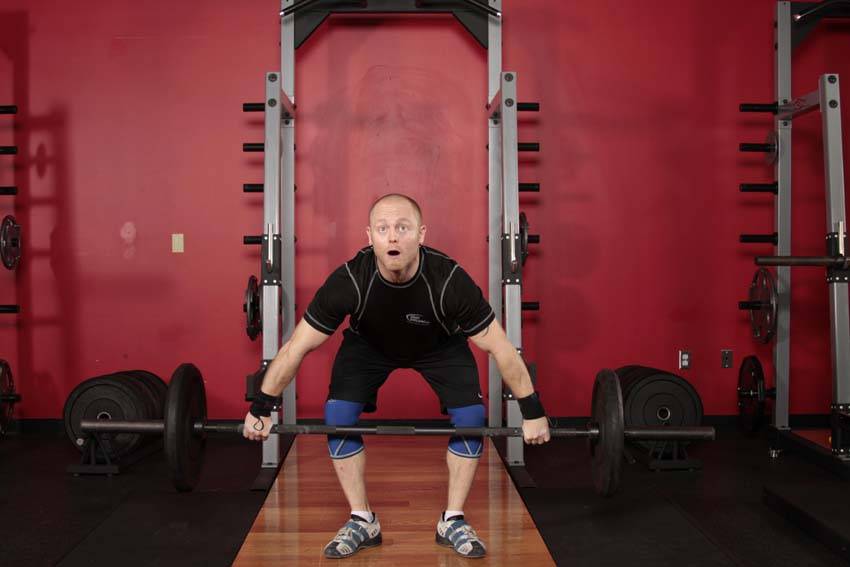
Muscle Snatch
Begin with a loaded barbell held at the mid thigh position with a wide grip. The feet should be directly below the hi...
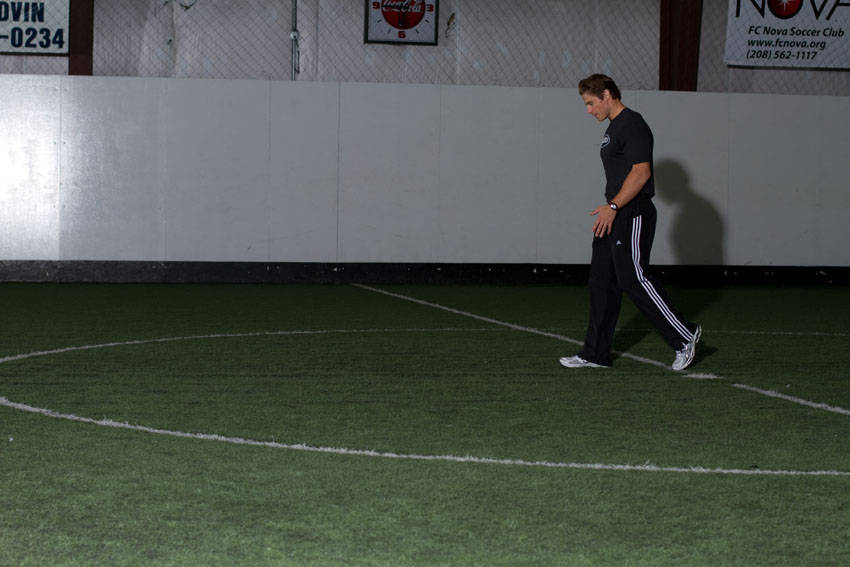
Moving Claw Series
This move helps prepare your running form to help you excel at sprinting. As you run, be sure to flex the knee, aimin...
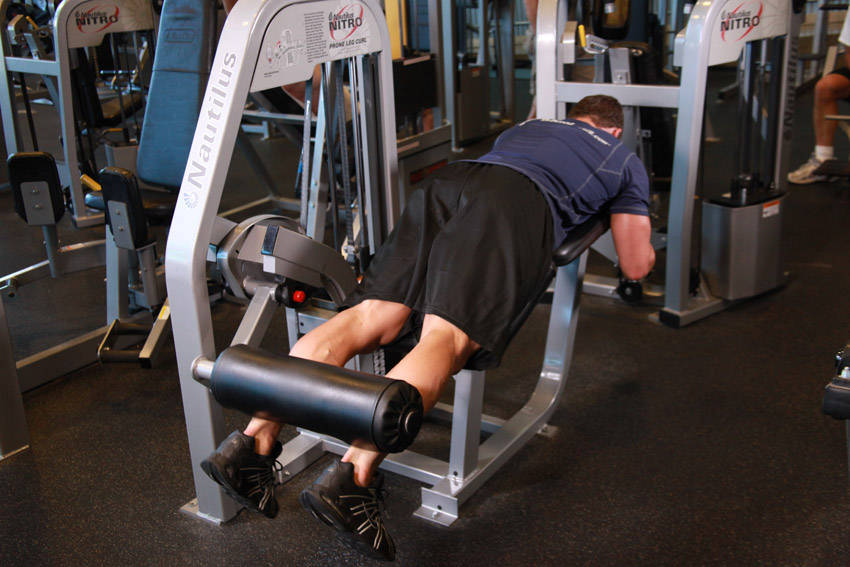
Lying Leg Curls
Adjust the machine lever to fit your height and lie face down on the leg curl machine with the pad of the lever on th...
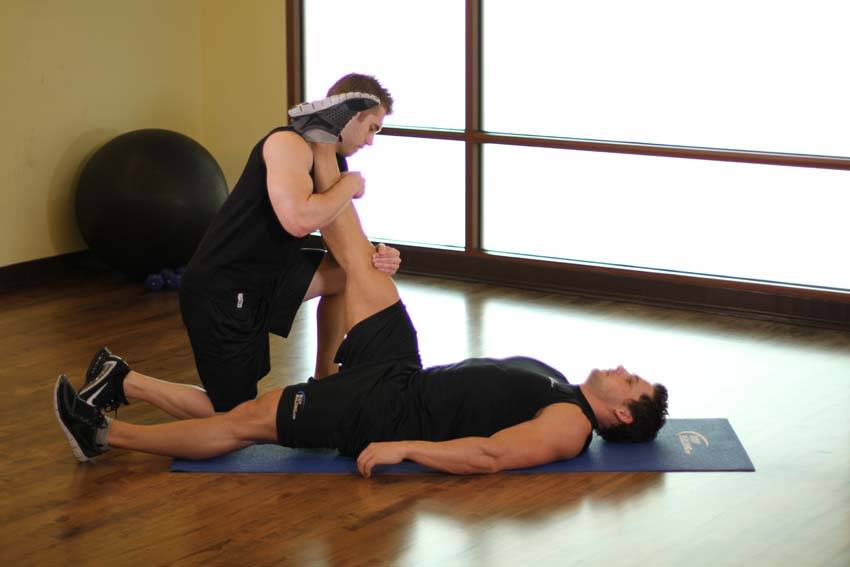
Lying Hamstring
Lie on your back with your legs extended. Your partner should be kneeling beside you. Raise one leg up towards the ce...
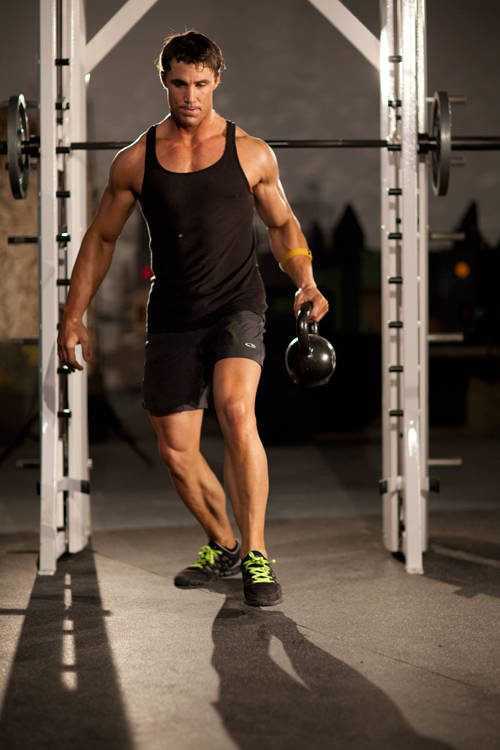
Lunge Pass Through
Stand with your torso upright holding a kettlebell in your right hand. This will be your starting position. Step forw...
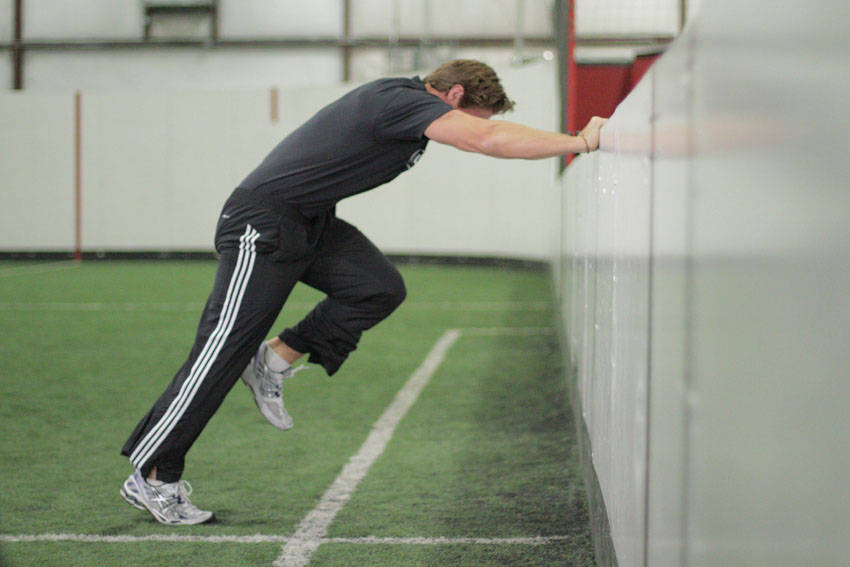
Linear Acceleration Wall Drill
Lean at around 45 degrees against a wall. Your feet should be together, glutes contracted. Begin by lifting your righ...
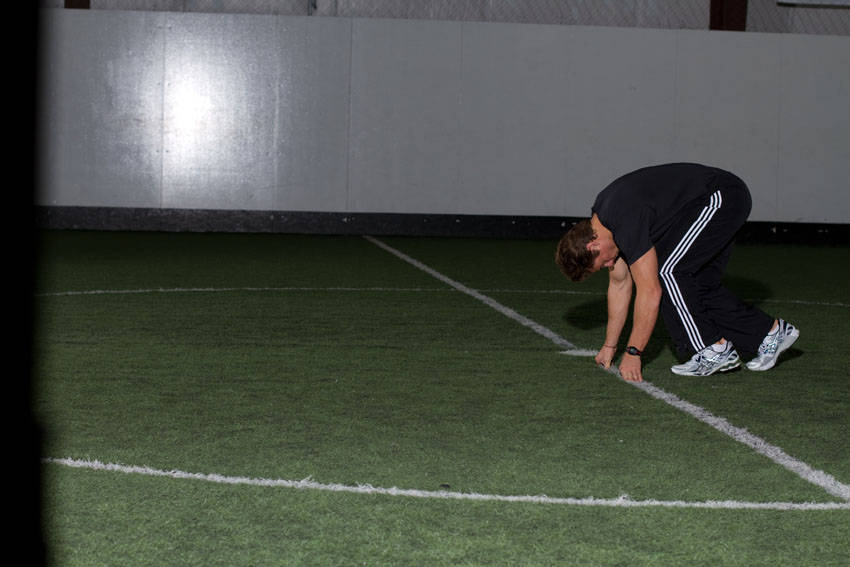
Linear 3-Part Start Technique
This drill helps you accelerate as quickly as possible into a sprint from a dead stop. It helps to use a line to star...
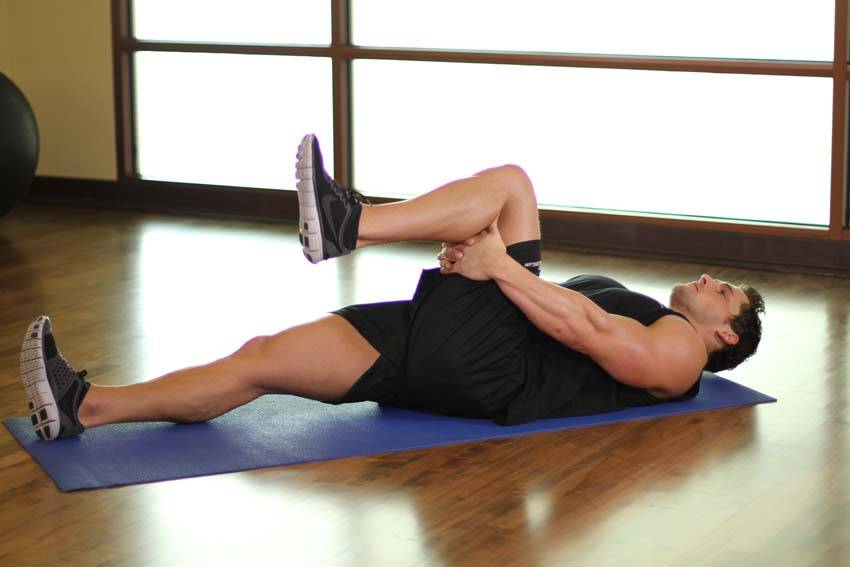
Leg-Up Hamstring Stretch
Lie flat on your back, bend one knee, and put that foot flat on the floor to stabilize your spine. Extend the other l...
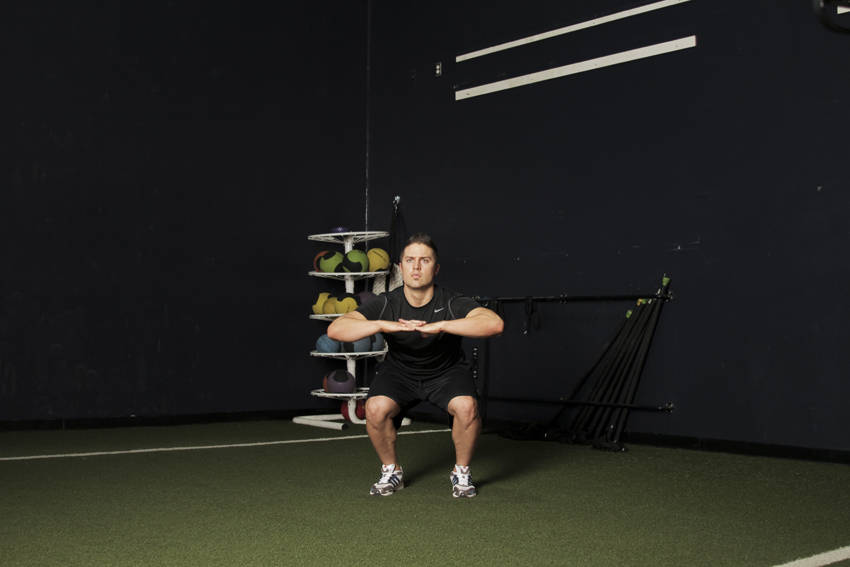
Knee Tuck Jump
Begin in a comfortable standing position with your knees slightly bent. Hold your hands in front of you, palms down w...
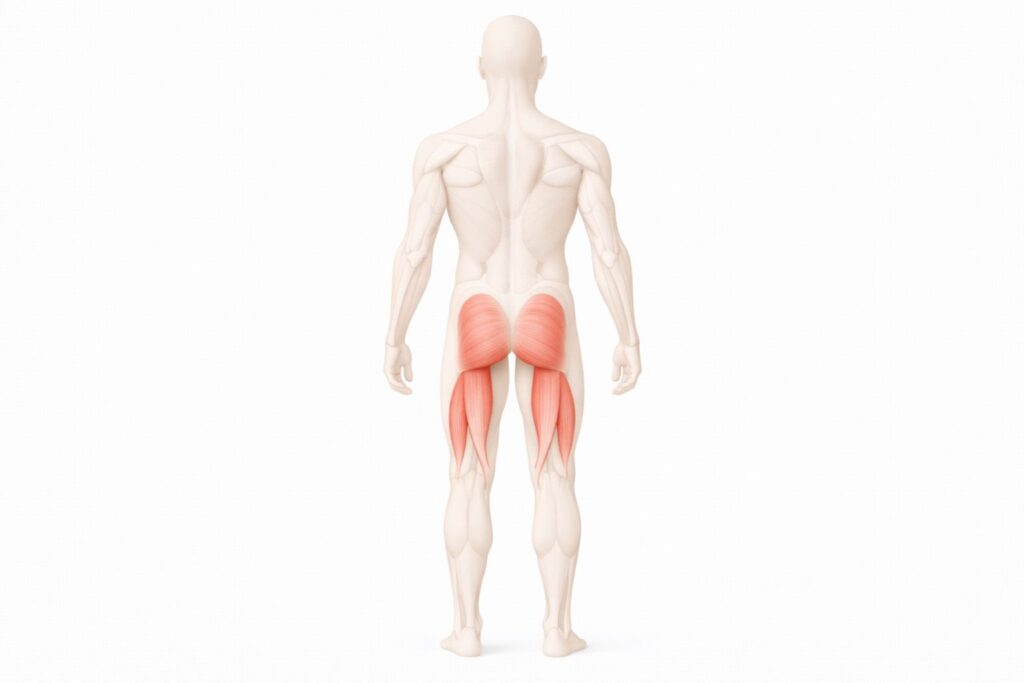
How to Train Hamstrings Effectively
The hamstrings are a group of muscles located on the back of the thighs that play a key role in hip extension, knee flexion, and lower-body stability. They are heavily involved in movements such as running, jumping, hinging, and lifting. Weak hamstrings can increase the risk of knee injuries, lower-back strain, and muscular imbalances.
To train hamstrings effectively, include both hip-dominant and knee-dominant exercises. Focus on slow, controlled repetitions and a full range of motion, especially during the eccentric (lowering) phase. Consistent progression and proper recovery are essential for building strength and resilience.
A balanced hamstrings workout often includes:
- Hip hinge movements: Romanian deadlifts, good mornings
- Knee flexion exercises: leg curls, stability ball curls
- Unilateral work: single-leg deadlifts, lunges
Form Tips for Hamstrings Training
- Maintain a neutral spine during hinge movements.
- Control the lowering phase to increase muscle engagement.
- Avoid rushing repetitions or using momentum.
- Train both legs evenly to prevent imbalances.
Common Questions
How often should hamstrings be trained?
Hamstrings can be t