
Knee Tuck Jump Exercise
Builds strength and control by improving stability, coordination, and efficient movement.
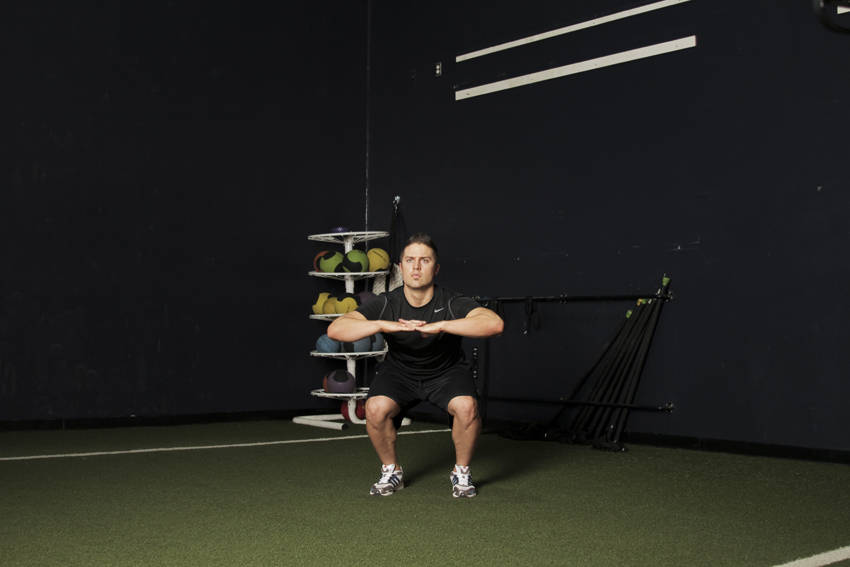
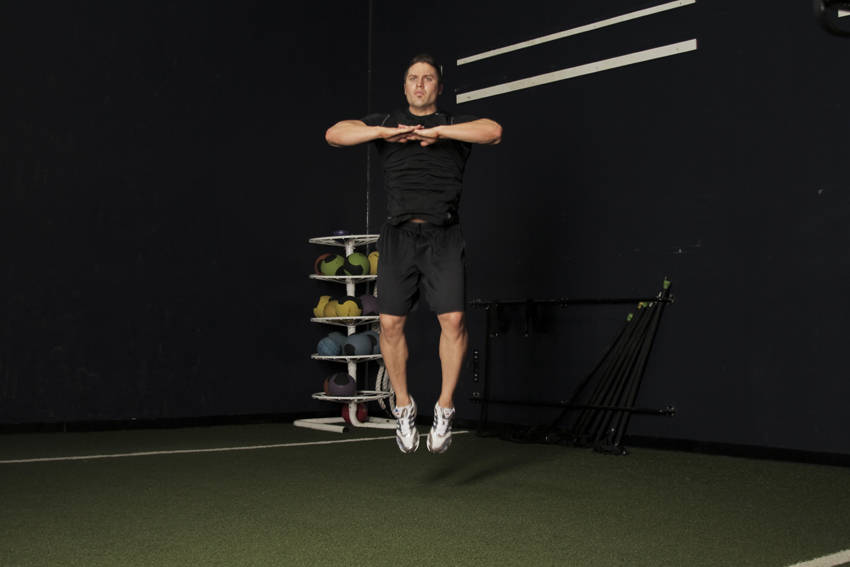
Description
Knee tuck jump focuses on controlled movement and maintaining proper body alignment throughout the exercise. The goal is to create tension where needed while avoiding unnecessary strain or momentum. This helps improve movement quality, joint stability, and overall physical control.
Instructions:
- Begin in a comfortable standing position with your knees slightly bent. Hold your hands in front of you, palms down with your fingertips together at chest height. This will be your starting position.
- Rapidly dip down into a quarter squat and immediately explode upward. Drive the knees towards the chest, attempting to touch them to the palms of the hands.
- Jump as high as you can, raising your knees up, and then ensure a good land be re-extending your legs, absorbing impact through be allowing the knees to rebend.
Exercise FAQ
How can I make it easier at home?
Lower the intensity, shorten the interval, or swap to a low-impact version. You can still get a strong conditioning effect.
What’s a common mistake people make here?
Starting too fast and losing form. Build consistency first, then add speed or intensity.
What should my breathing look like?
Breathing should be rhythmic and controlled. If you can’t recover between rounds, reduce the intensity or extend rest.
Disclaimer
This content is for educational purposes only and does not replace professional medical or fitness advice. Consult a qualified healthcare provider before beginning any new exercise routine. Exercise safely and listen to your body.
Alternative exercises:
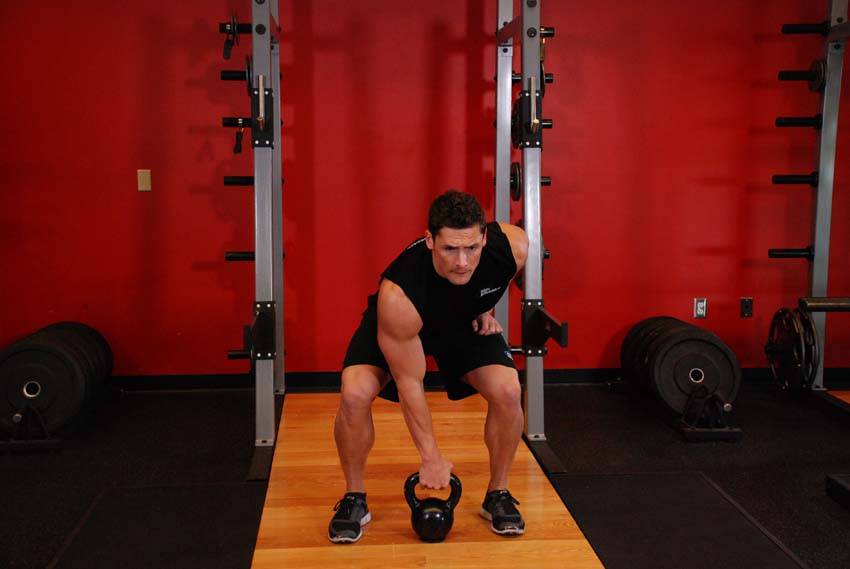
Kettlebell Dead Clean
Place kettlebell between your feet. To get in the starting position, push your butt back and look straight ...
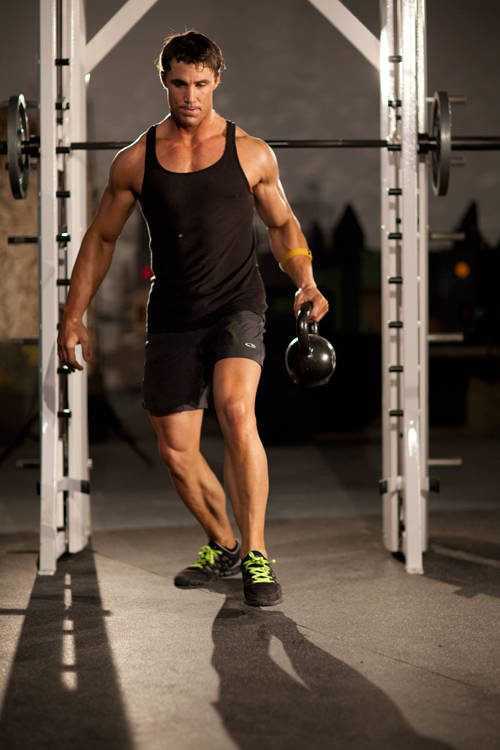
Lunge Pass Through
Stand with your torso upright holding a kettlebell in your right hand. This will be your starting position....
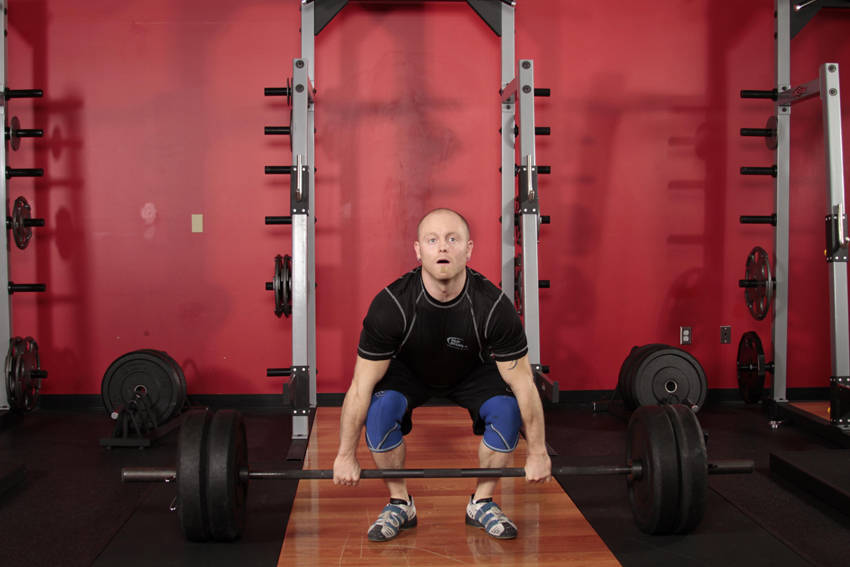
Deadlift
Begin standing with a barbell close to your shins. Your feet should be directly under your hips with your f...