
Chest Exercises
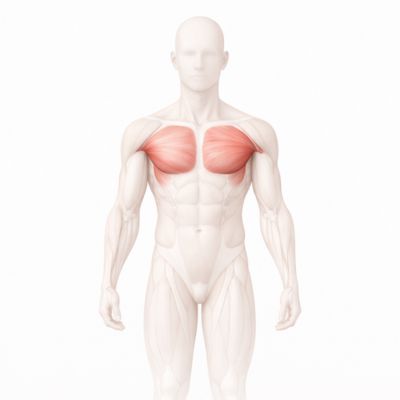 Chest exercises target the muscles of the chest responsible for pushing movements and upper-body strength. A strong chest improves performance in pressing exercises, supports shoulder health, and helps build a balanced, powerful upper body.
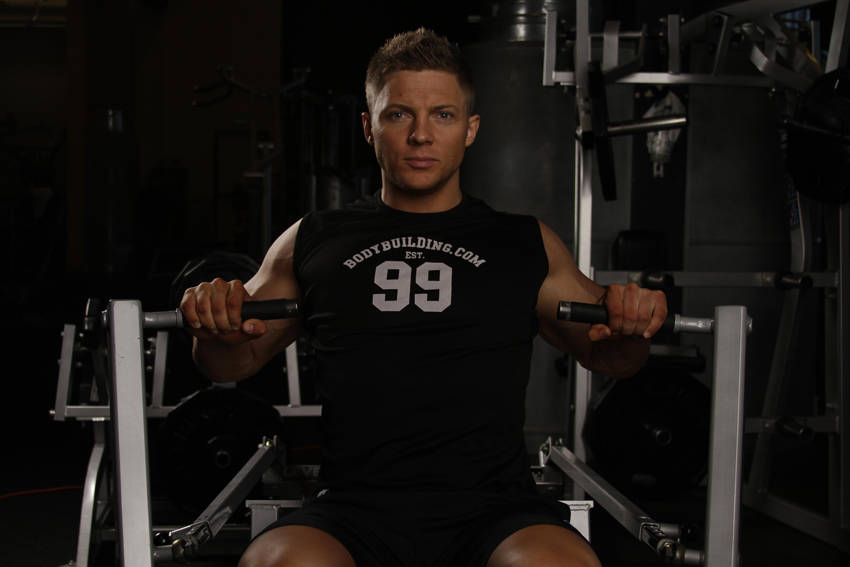
Leverage Chest Press
Load an appropriate weight onto the pins and adjust the seat for your height. The handles should be near the bottom o...
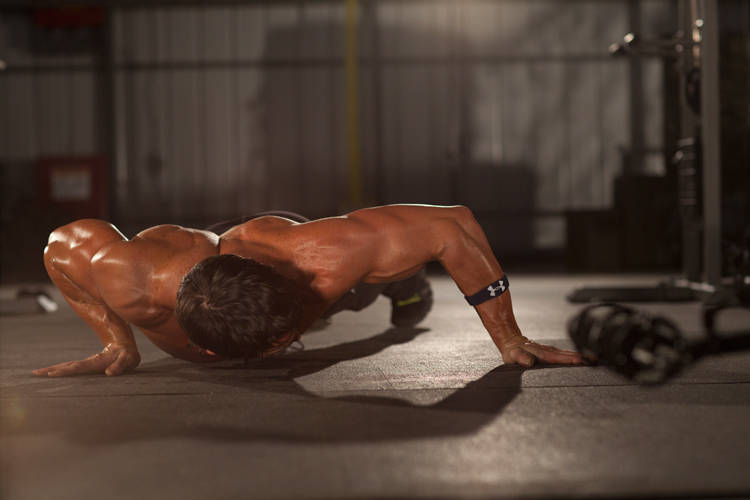
Isometric Wipers
Assume a push-up position, supporting your weight on your hands and toes while keeping your body straight. Your hands...
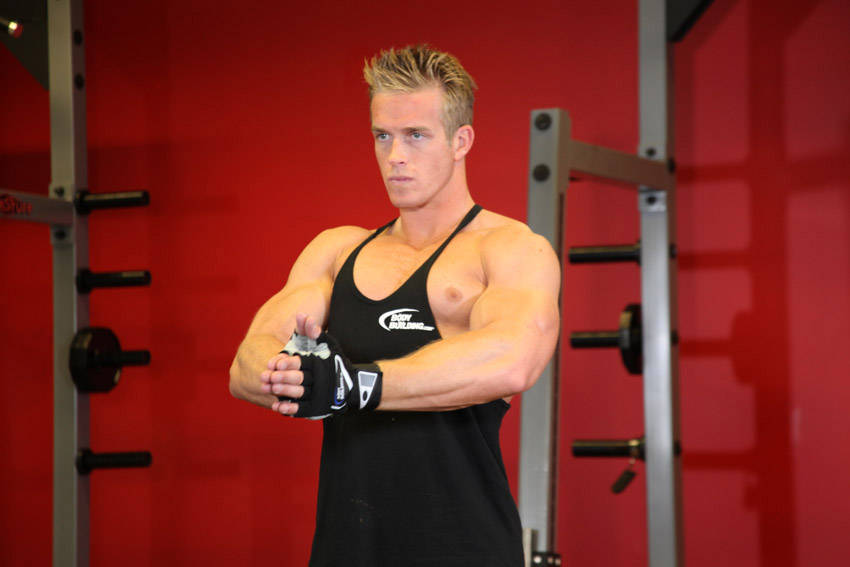
Isometric Chest Squeezes
While either seating or standing, bend your arms at a 90-degree angle and place the palms of your hands together in f...
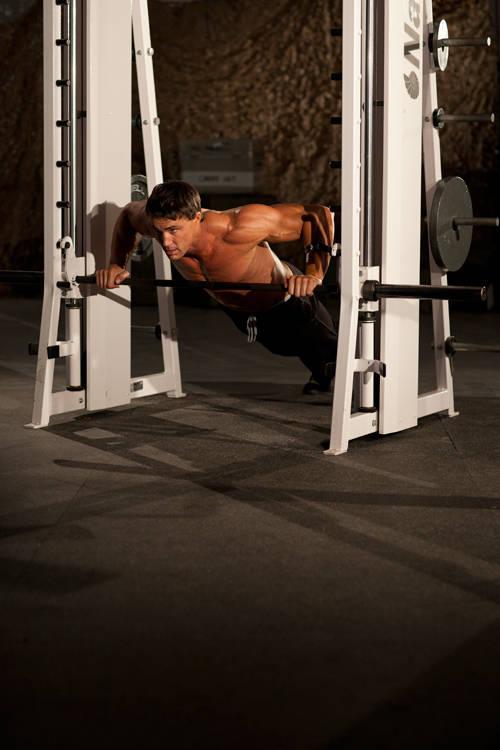
Incline Push Up Wide
Stand facing a Smith machine bar or sturdy elevated platform at an appropriate height. Place your hands on the bar, w...
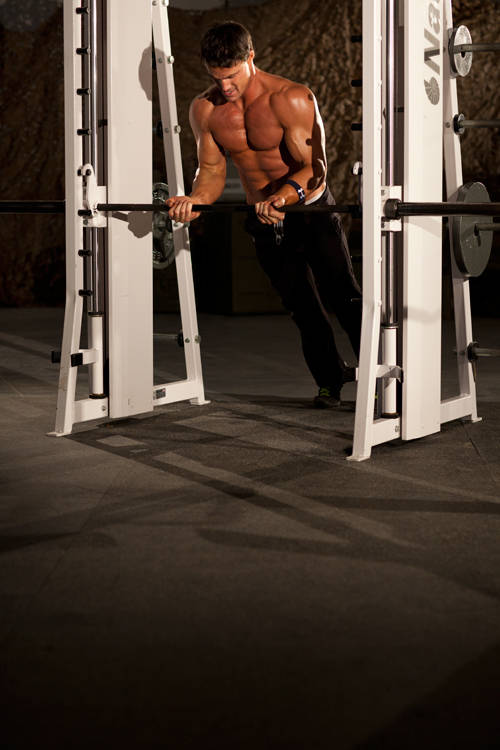
Incline Push Up Reverse Grip
Stand facing a Smith machine bar or sturdy elevated platform at an appropriate height. Place your hands on the bar pa...
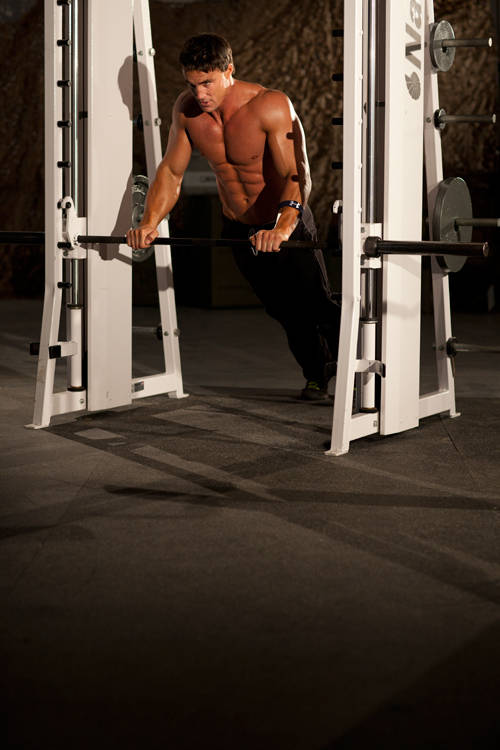
Incline Push Up Medium
Stand facing a Smith machine bar or sturdy elevated platform at an appropriate height. Place your hands on the bar, w...
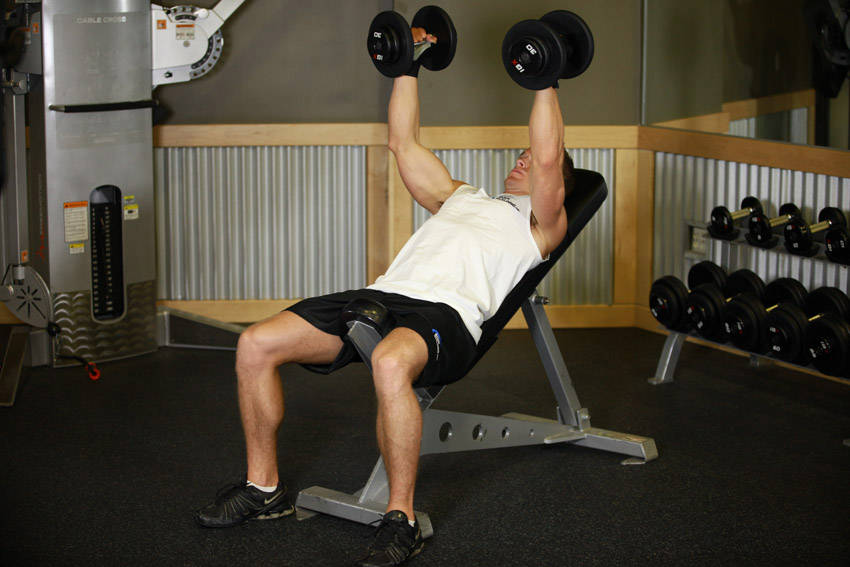
Incline Dumbbell Bench With Palms Facing In
Lie back on an incline bench with a dumbbell on each hand on top of your thighs. The palms of your hand will be facin...
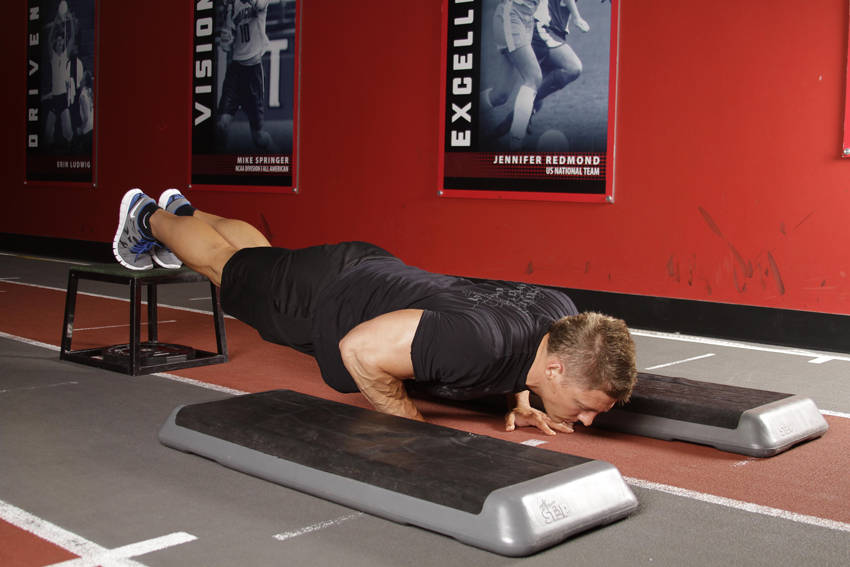
Incline Push Up Depth Jump
For this drill you will need a box about 12 inches high, and two thick mats or aerobics steps. Place the steps just o...
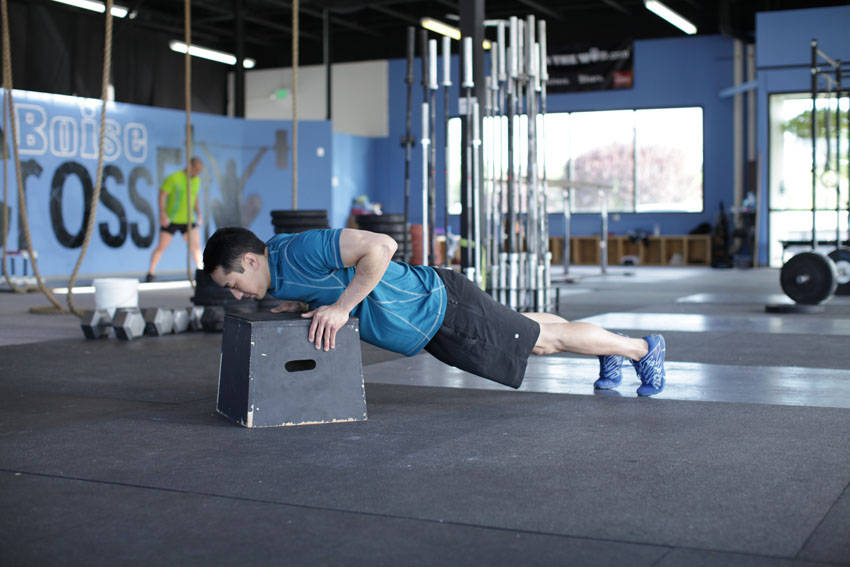
Incline Push Up
Stand facing bench or sturdy elevated platform. Place hands on edge of bench or platform, slightly wider than shoulde...
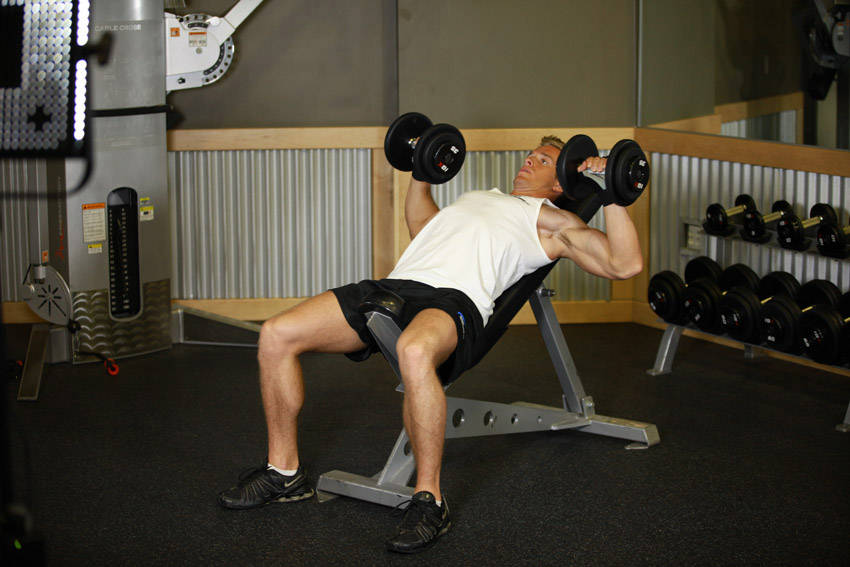
Incline Dumbbell Press
Lie back on an incline bench with a dumbbell in each hand atop your thighs. The palms of your hands will be facing ea...
How to Train the Chest Effectively
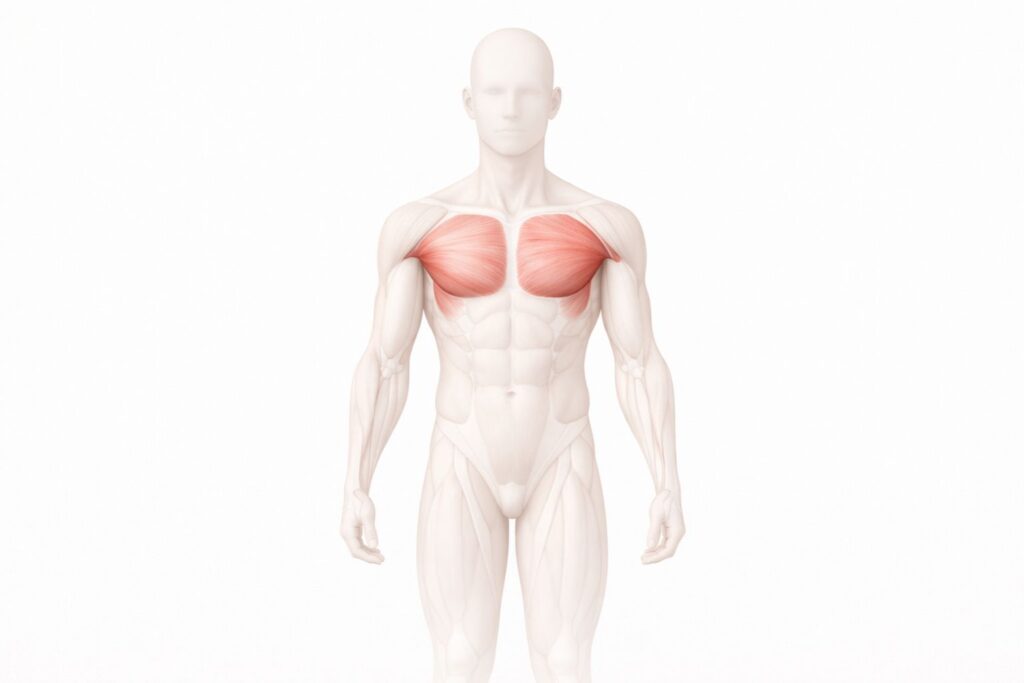
The chest muscles play a key role in pushing movements and upper-body power. They are heavily involved in exercises like presses, push-ups, and dips, and they assist in stabilizing the shoulders during many compound lifts. Weak or undertrained chest muscles can limit strength progress and place extra stress on the shoulders.
To train the chest effectively, use a combination of compound and isolation exercises. Focus on controlled repetitions, a full range of motion, and proper shoulder positioning. Varying angles—flat, incline, and decline—helps ensure balanced chest development and reduces muscular imbalances.
A well-rounded chest workout often includes:
- Compound presses: bench press, incline press, push-ups
- Isolation movements: chest flyes, cable flyes, pec deck
- Bodyweight work: dips and push-up variations
Form Tips for Chest Training
- Keep your shoulders pulled back and down during presses.
- Control the lowering phase to increase muscle activation.
- Avoid excessive elbow flare to protect the shoulders.
- Train through a full, comfortable range of motion.
Common Questions
How often should chest be trained?
Most people benefit from training chest 1–2 times per week, allowing enough recovery between sessions.
Do chest exercises also work arms?
Yes. Chest exercises heavily involve the triceps and shoulders, especially during pressing movements.