
Chest Exercises
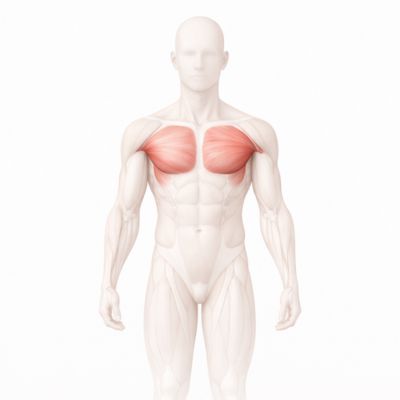 Chest exercises target the muscles of the chest responsible for pushing movements and upper-body strength. A strong chest improves performance in pressing exercises, supports shoulder health, and helps build a balanced, powerful upper body.
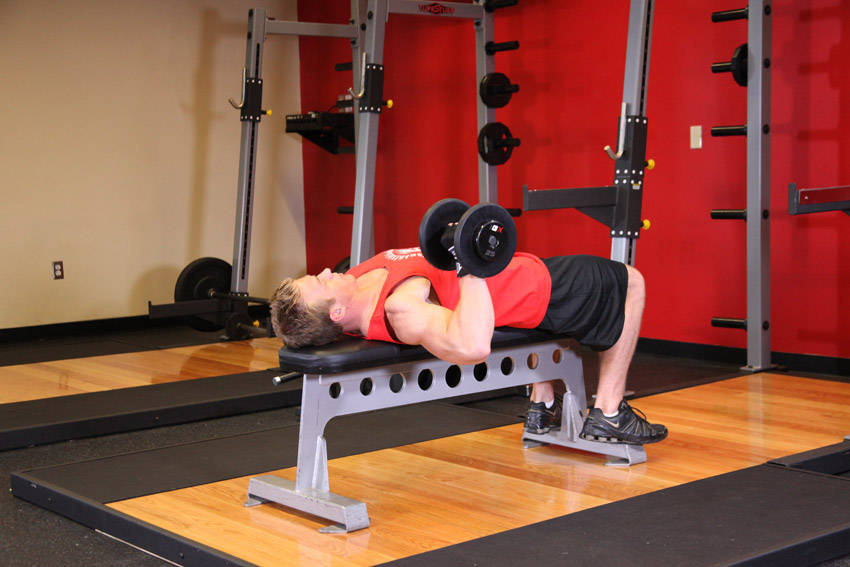
One Arm Dumbbell Bench Press
Lie down on a flat bench with a dumbbell in one hand on top of your thigh. By using your thigh to help you get the du...
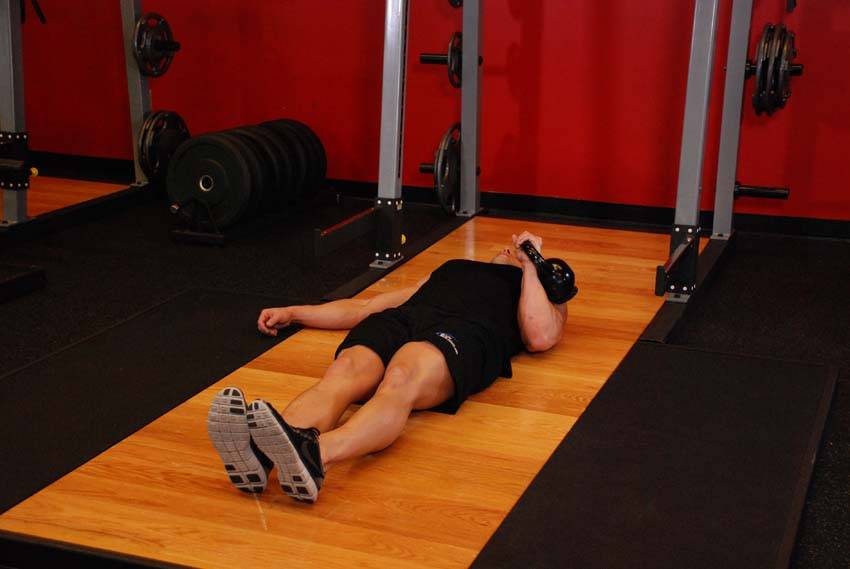
One-Arm Kettlebell Floor Press
Lie on the floor holding a kettlebell with one hand, with your upper arm supported by the floor. The palm should be f...
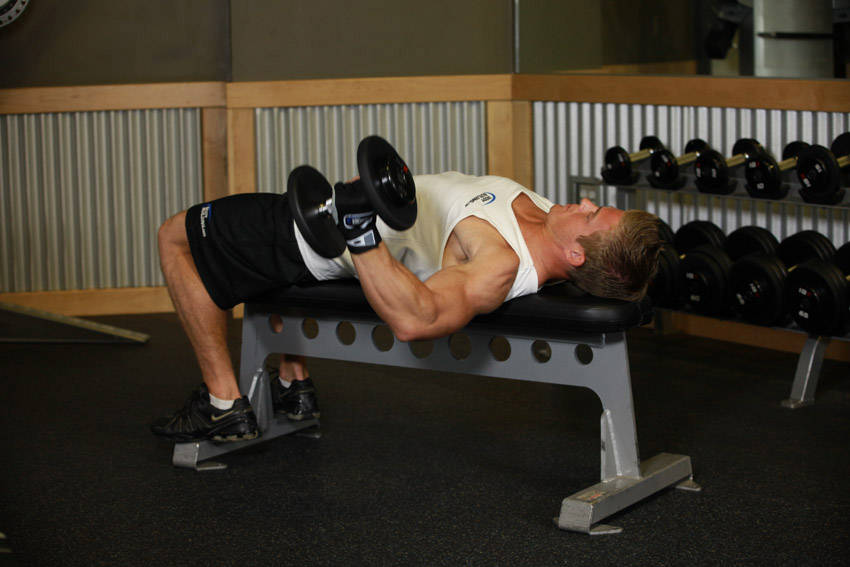
One-Arm Flat Bench Dumbbell Flye
Lie down on a flat bench with a dumbbell in one hand resting on top of your thigh. The palm of your hand with the dum...
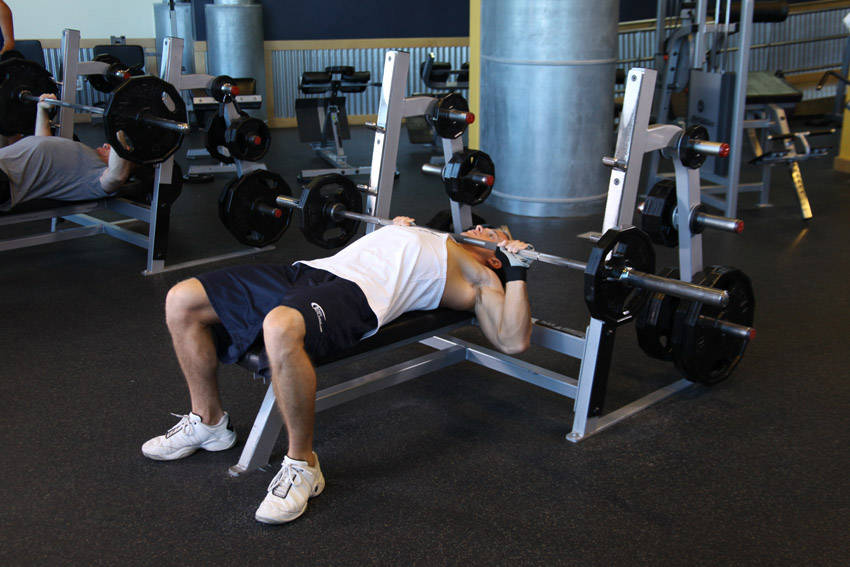
Neck Press
Lie back on a flat bench. Using a medium-width grip (a grip that creates a 90-degree angle in the middle of the movem...
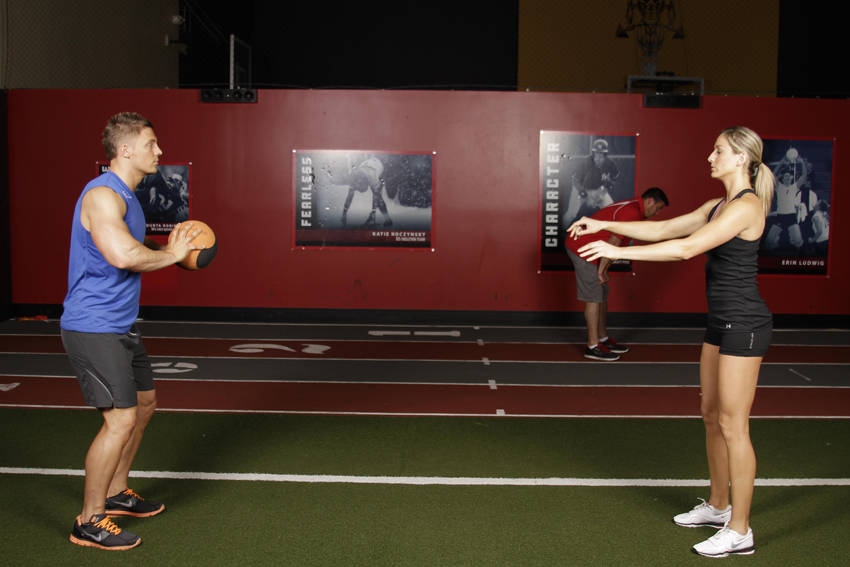
Medicine Ball Chest Pass
You will need a partner for this exercise. Lacking one, this movement can be performed against a wall. Begin facing y...
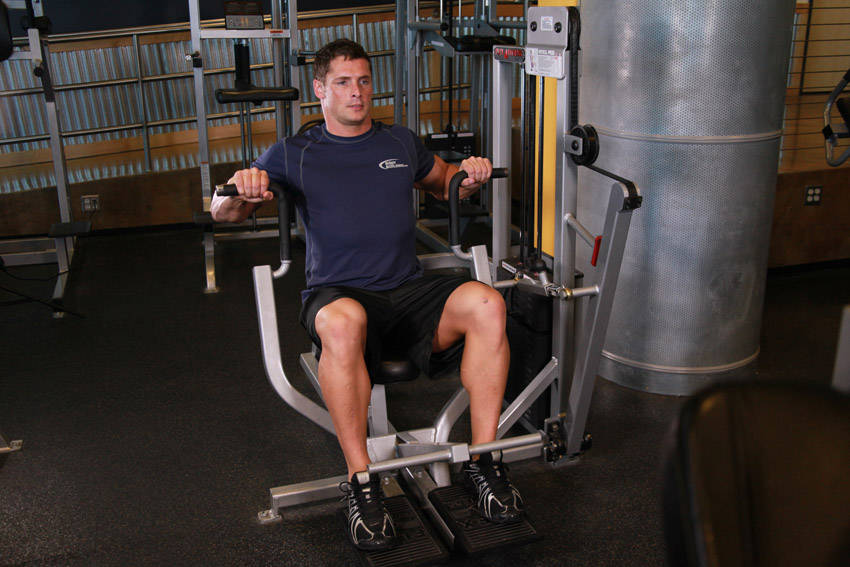
Machine Bench Press
Sit down on the Chest Press Machine and select the weight. Step on the lever provided by the machine since it will he...
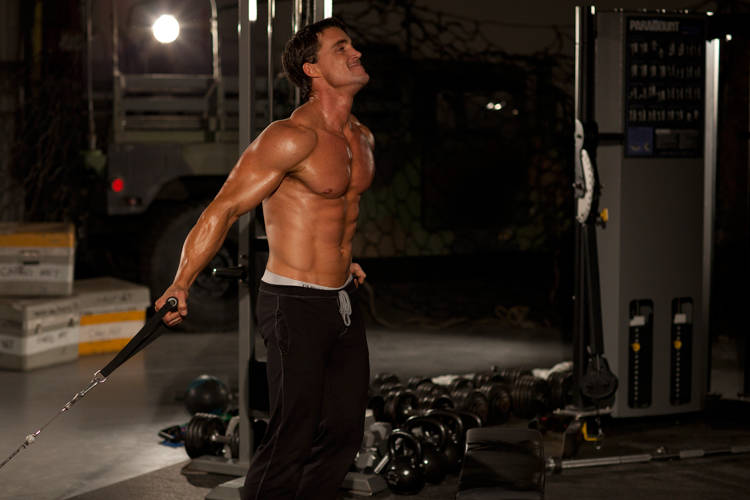
Low Cable Crossover
To move into the starting position, place the pulleys at the low position, select the resistance to be used and grasp...
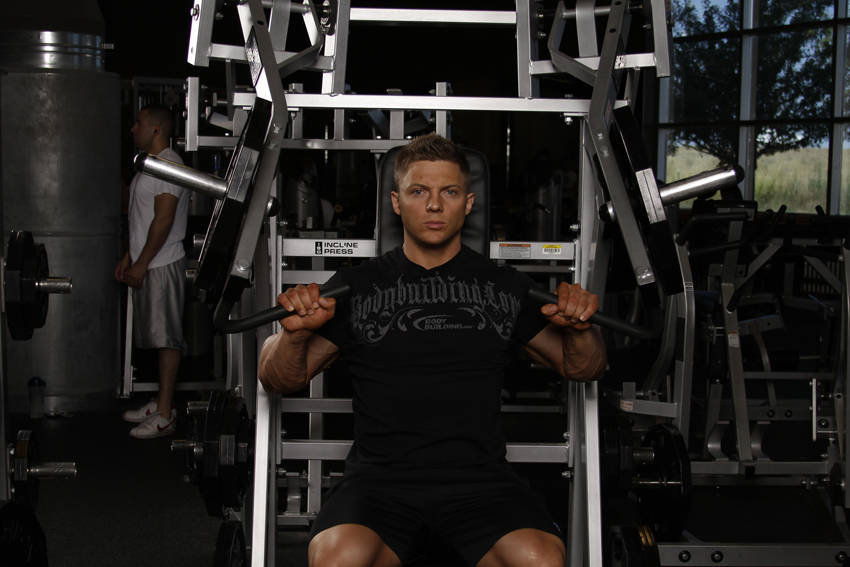
Leverage Incline Chest Press
Load an appropriate weight onto the pins and adjust the seat for your height. The handles should be near the top of t...
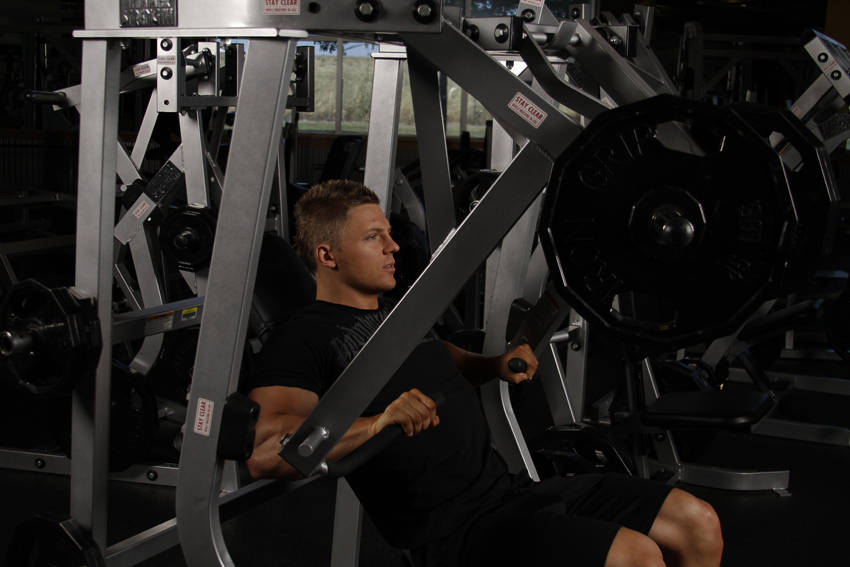
Leverage Decline Chest Press
Load an appropriate weight onto the pins and adjust the seat for your height. The handles should be near the bottom o...
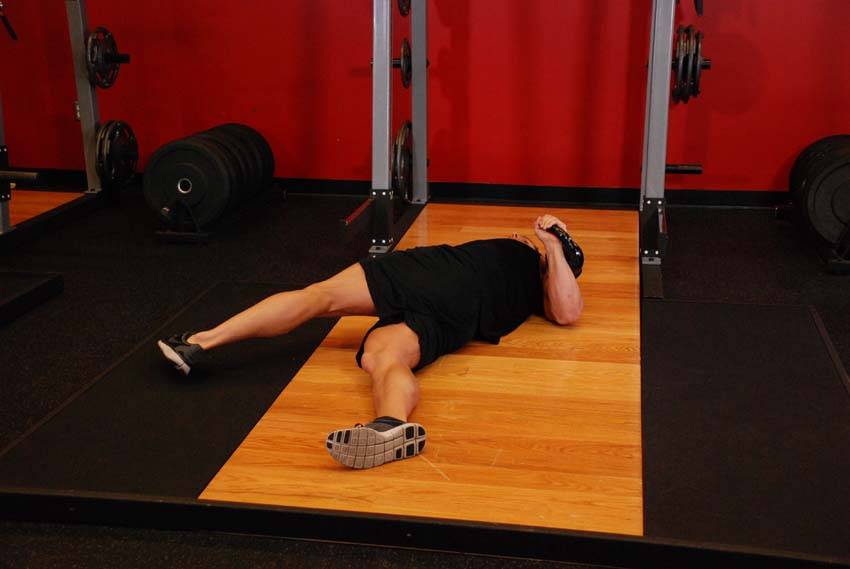
Leg-Over Floor Press
Lie on the floor with one kettlebell in place on your chest, holding it by the handle. Extend leg on working side ove...
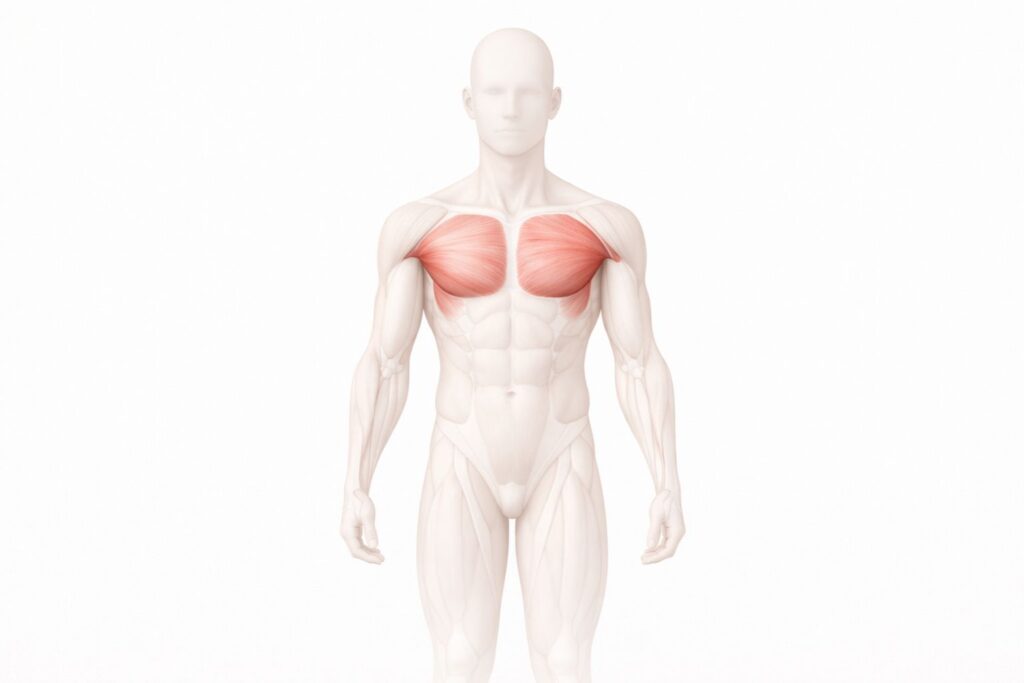
How to Train the Chest Effectively
The chest muscles play a key role in pushing movements and upper-body power. They are heavily involved in exercises like presses, push-ups, and dips, and they assist in stabilizing the shoulders during many compound lifts. Weak or undertrained chest muscles can limit strength progress and place extra stress on the shoulders.
To train the chest effectively, use a combination of compound and isolation exercises. Focus on controlled repetitions, a full range of motion, and proper shoulder positioning. Varying angles—flat, incline, and decline—helps ensure balanced chest development and reduces muscular imbalances.
A well-rounded chest workout often includes:
- Compound presses: bench press, incline press, push-ups
- Isolation movements: chest flyes, cable flyes, pec deck
- Bodyweight work: dips and push-up variations
Form Tips for Chest Training
- Keep your shoulders pulled back and down during presses.
- Control the lowering phase to increase muscle activation.
- Avoid excessive elbow flare to protect the shoulders.
- Train through a full, comfortable range of motion.
Common Questions
How often should chest be trained?
Most people benefit from training chest 1–2 times per week, allowing enough recovery between sessions.
Do chest exercises also work arms?
Yes. Chest exercises heavily involve the triceps and shoulders, especially during pressing movements.