
Traps Exercises
 Traps exercises target the trapezius muscles, which help control shoulder movement and stabilize the neck and upper back. Strong traps improve posture, enhance upper-body strength, and support safe lifting mechanics.
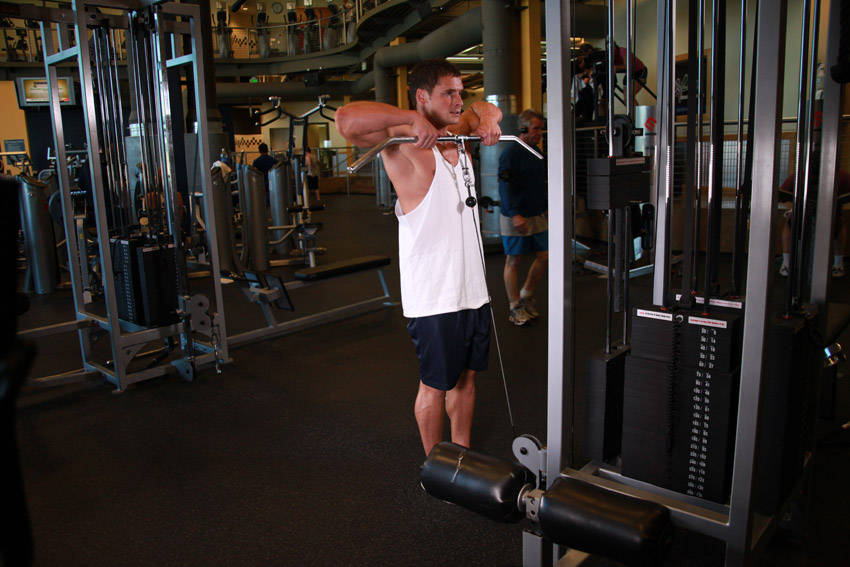
Upright Cable Row
Grasp a straight bar cable attachment that is attached to a low pulley with a pronated (palms facing your thighs) gri...
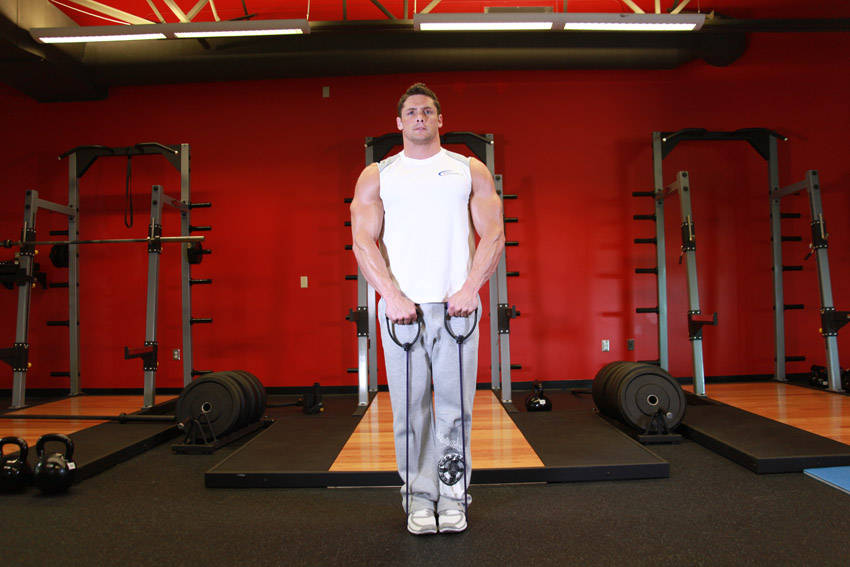
Upright Row - With Bands
To begin, stand on an exercise band so that tension begins at arm's length. Grasp the handles using a pronated (palms...
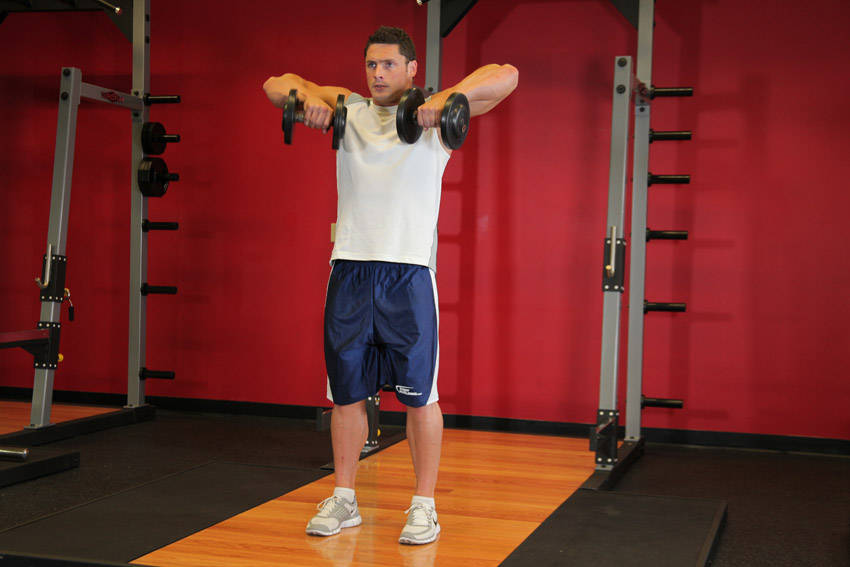
Standing Dumbbell Upright Row
Grasp a dumbbell in each hand with a pronated (palms forward) grip that is slightly less than shoulder width. The dum...
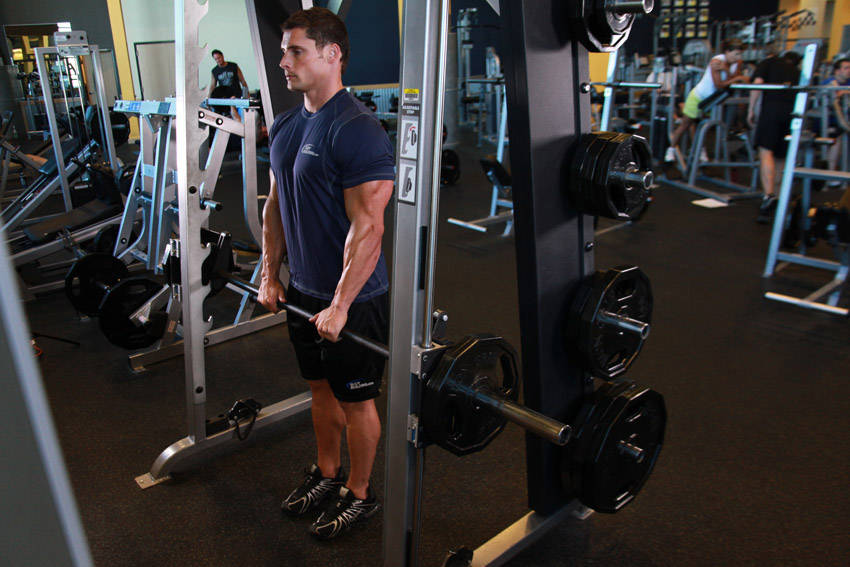
Smith Machine Upright Row
To begin, set the bar on the smith machine to a height that is around the middle of your thighs. Once the correct hei...
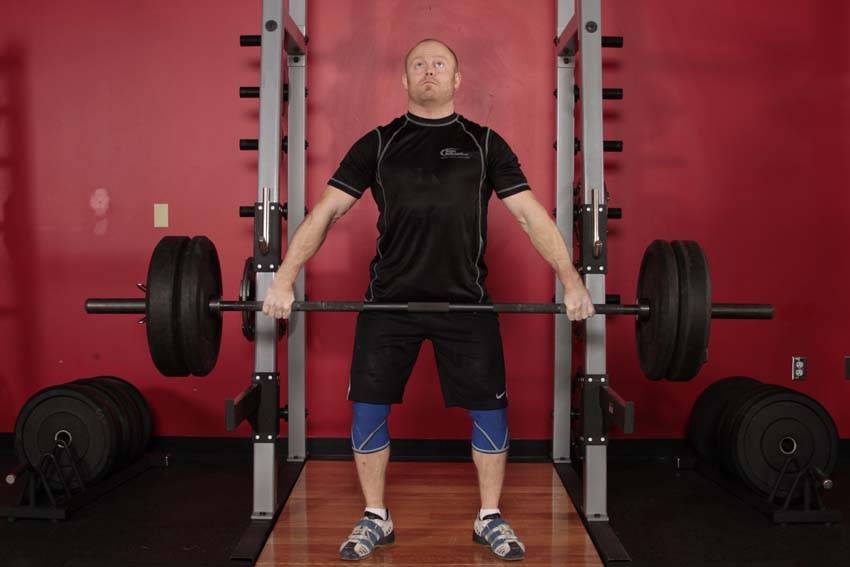
Snatch Shrug
Begin with a wide grip, with the bar hanging at the mid thigh position. You can use a hook or overhand grip. Your bac...
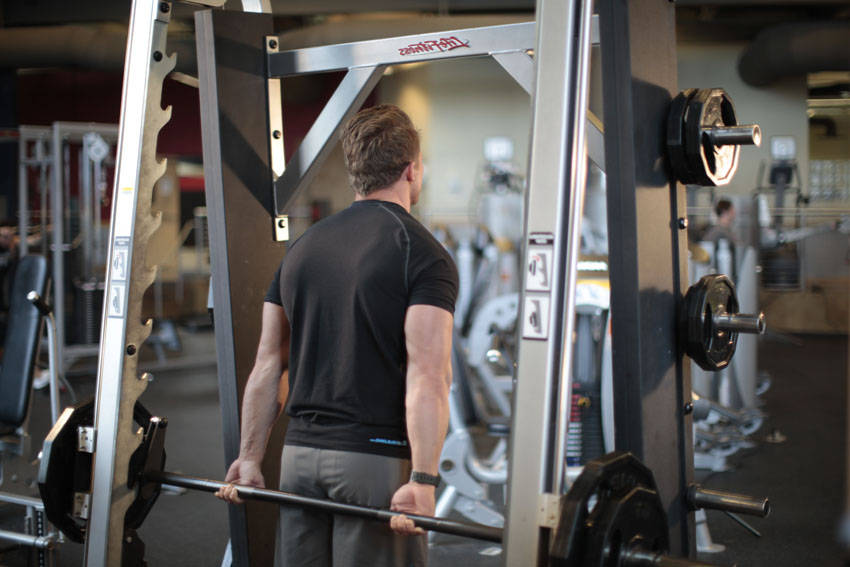
Smith Machine Behind the Back Shrug
With the bar at thigh level, load an appropriate weight. Stand with the bar behind you, taking a shoulder-width, pron...

Scapular Pull-Up
Take a pronated grip on a pull-up bar. From a hanging position, raise yourself a few inches without using your arms. ...
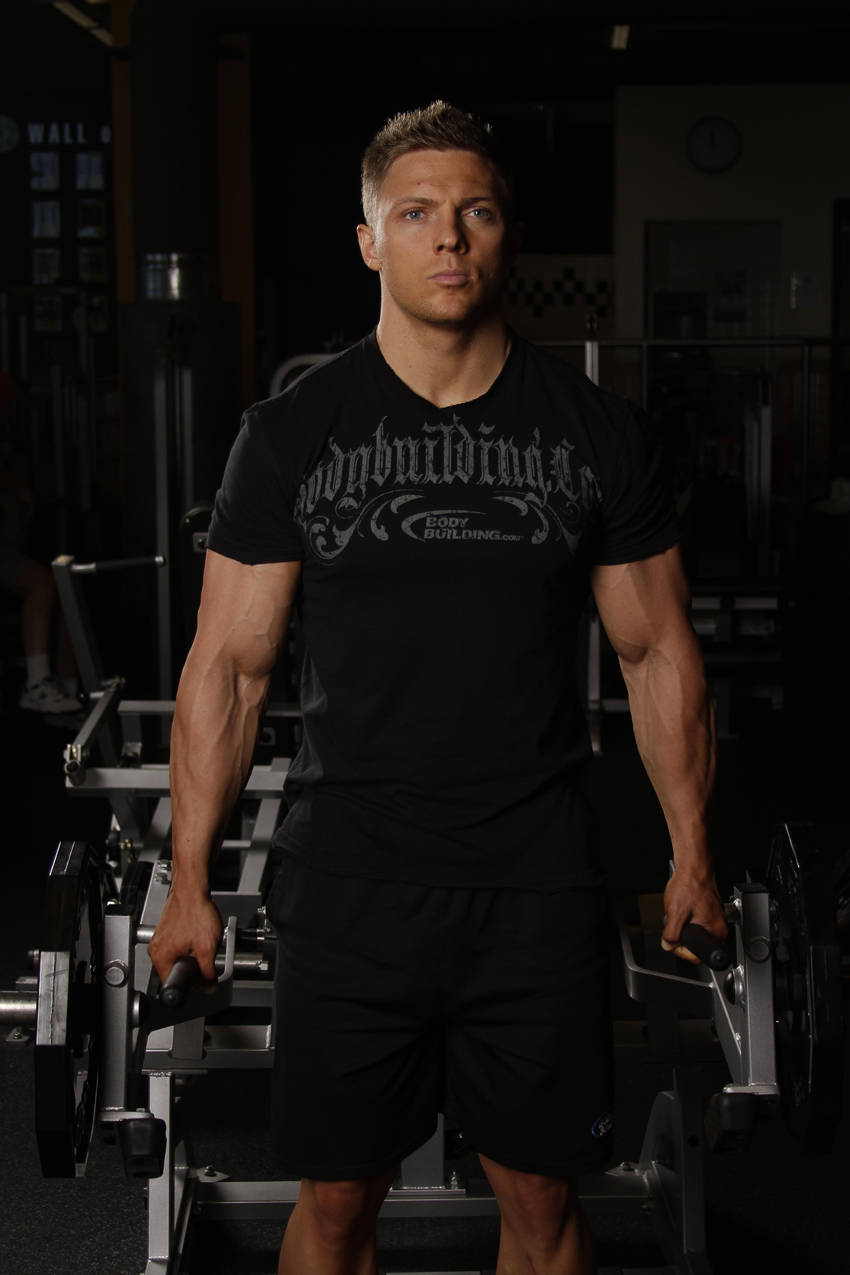
Leverage Shrug
Load the pins to an appropriate weight. Position yourself directly between the handles. Grasp the top handles with a ...

Kettlebell Sumo High Pull
Place a kettlebell on the ground between your feet. Position your feet in a wide stance, and grasp the kettlebell wit...

Dumbbell Shrug
Stand erect with a dumbbell on each hand (palms facing your torso), arms extended on the sides. Lift the dumbbells by...
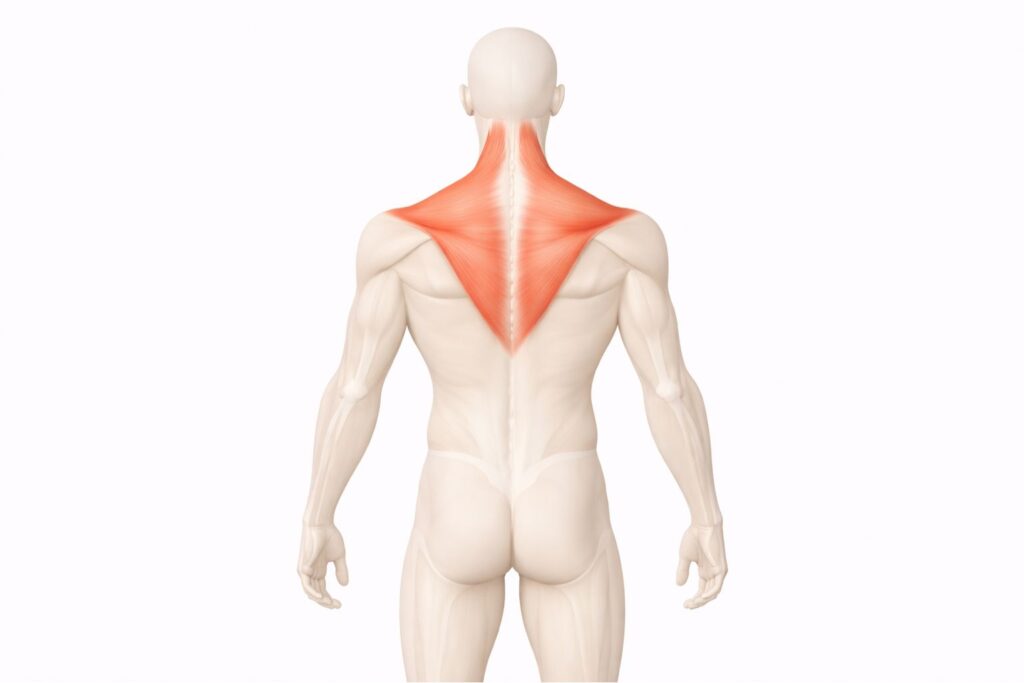
How to Train Traps Effectively
The trapezius muscles span the upper and middle back and play an important role in shoulder elevation, retraction, and stabilization of the neck. They are involved in many upper-body movements and help maintain proper posture during lifting and daily activities. Weak or tight traps can contribute to neck tension and shoulder discomfort.
To train traps effectively, focus on controlled movements that emphasize proper shoulder positioning. Balanced development of the upper, middle, and lower trapezius helps improve posture and reduces strain on the neck and shoulders.
A balanced traps workout often includes:
- Elevation movements: shrugs, farmer’s carries
- Scapular control: face pulls, Y-raises
- Stability work: loaded carries and holds
Form Tips for Traps Training
- Avoid rolling the shoulders during shrugs.
- Keep the neck neutral and avoid jutting the head forward.
- Use controlled, smooth repetitions.
- Balance upper and lower trap exercises.
Common Questions
How often should traps be trained?
Traps can be trained 1–2 times per week, often alongside other back or shoulder workouts.
Do traps affect posture?
Yes. Strong and balanced traps help support proper shoulder and neck alignment.