
Lower Back Exercises
 Lower back exercises target the muscles that stabilize the spine and support proper posture during movement. A strong lower back improves lifting mechanics, reduces injury risk, and helps maintain balance and control during everyday activities and training.
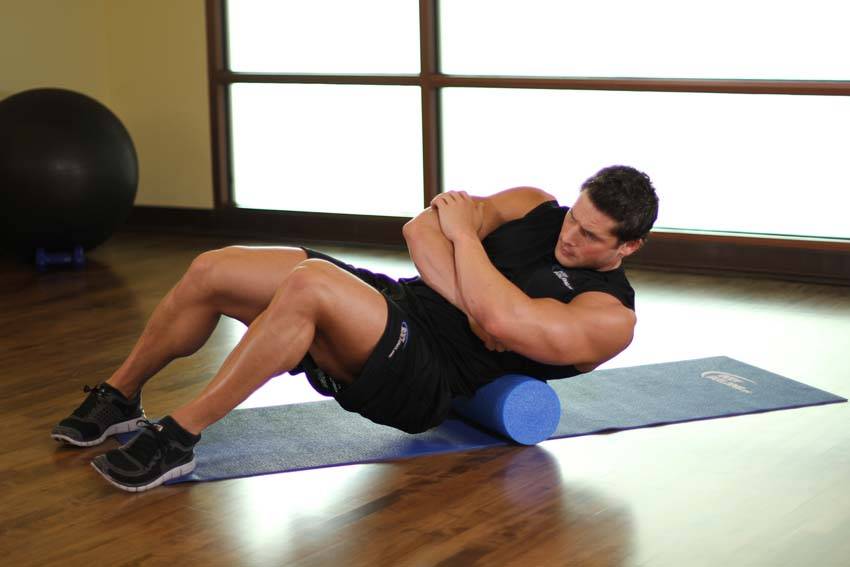
Lower Back-SMR
In a seated position, place a foam roll under your lower back. Cross your arms in front of you and protract your shou...
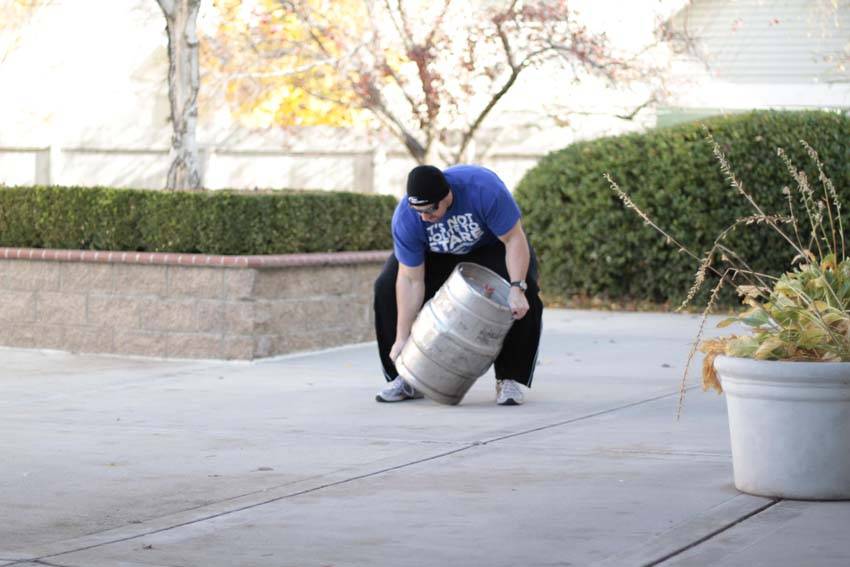
Keg Load
To load kegs, place the desired number a distance from the loading platform, typically 30-50 feet. Begin by grabbing ...
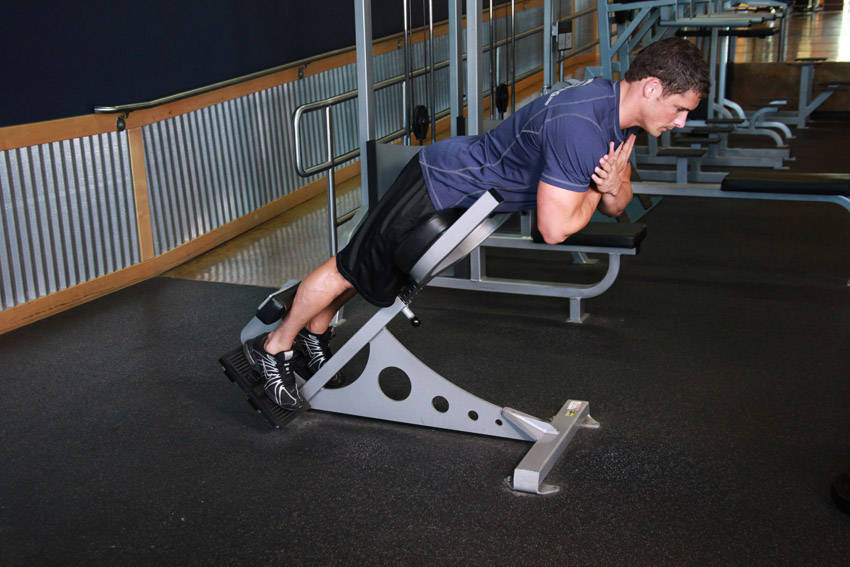
Hyperextensions (Back Extensions)
Lie face down on a hyperextension bench, tucking your ankles securely under the footpads. Adjust the upper pad if pos...
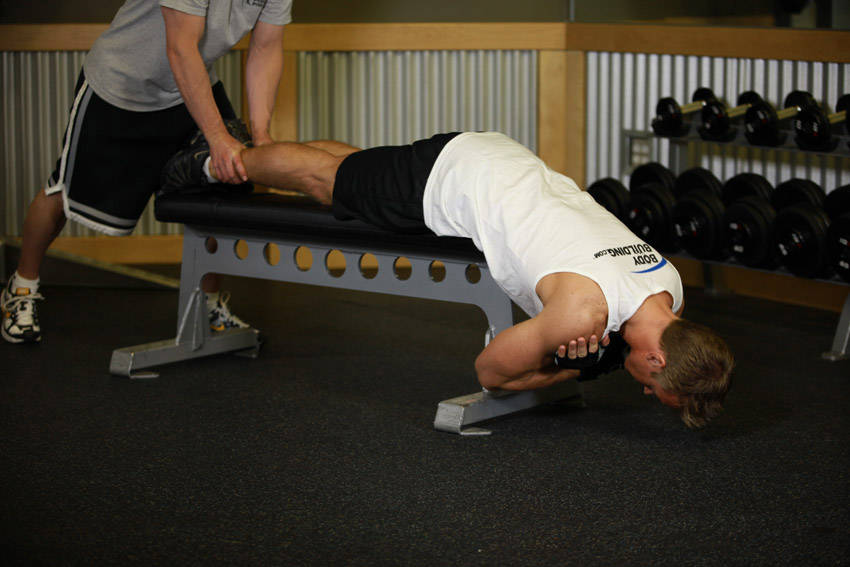
Hyperextensions With No Hyperextension Bench
With someone holding down your legs, slide yourself down to the edge a flat bench until your hips hang off the end of...
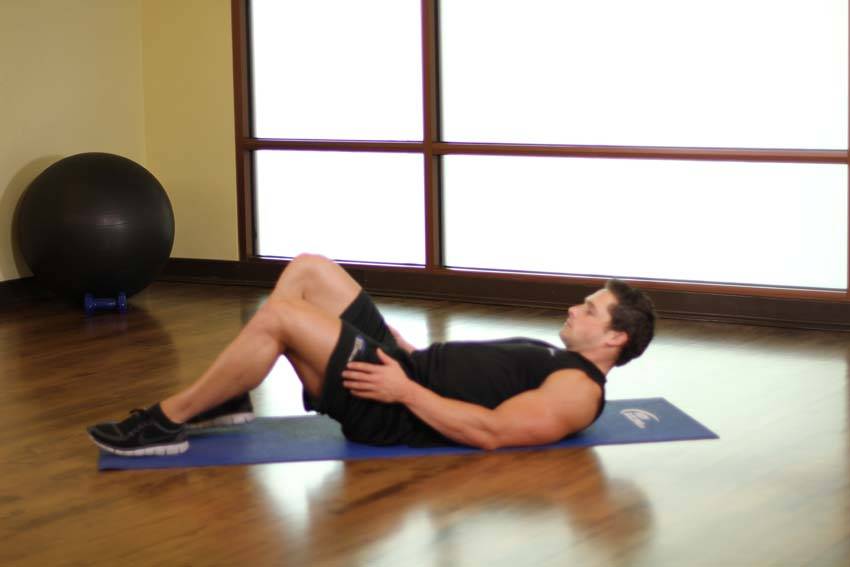
Hug Knees To Chest
Lie down on your back and pull both knees up to your chest. Hold your arms under the knees, not over (that would put ...
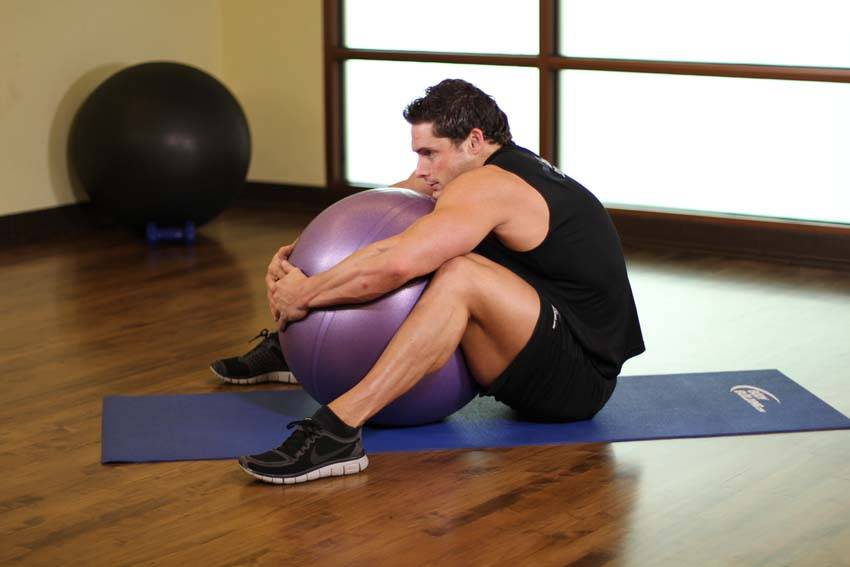
Hug A Ball
Seat yourself on the floor. Straddle an exercise ball between both legs and lower your hips down toward the floor. Hu...
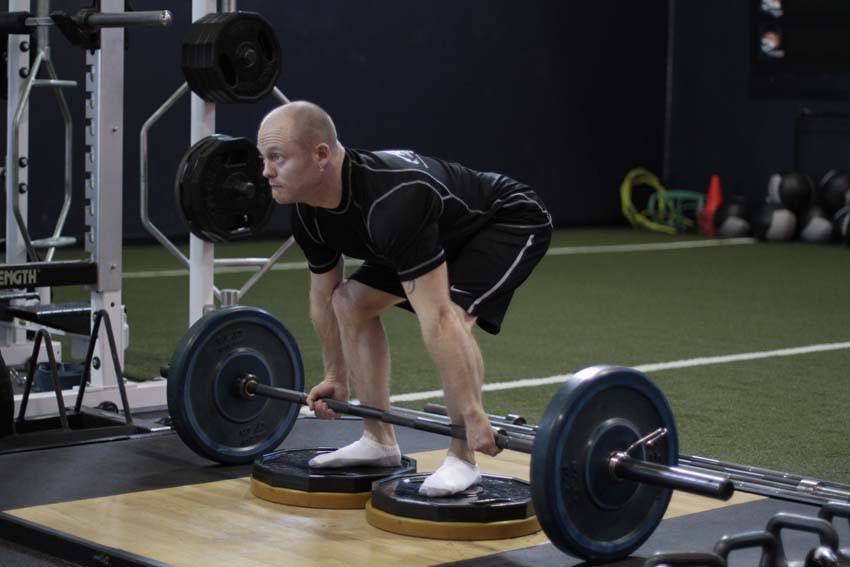
Deficit Deadlift
Begin by having a platform or weight plates that you can stand on, usually 1-3 inches in height. Approach the bar so ...
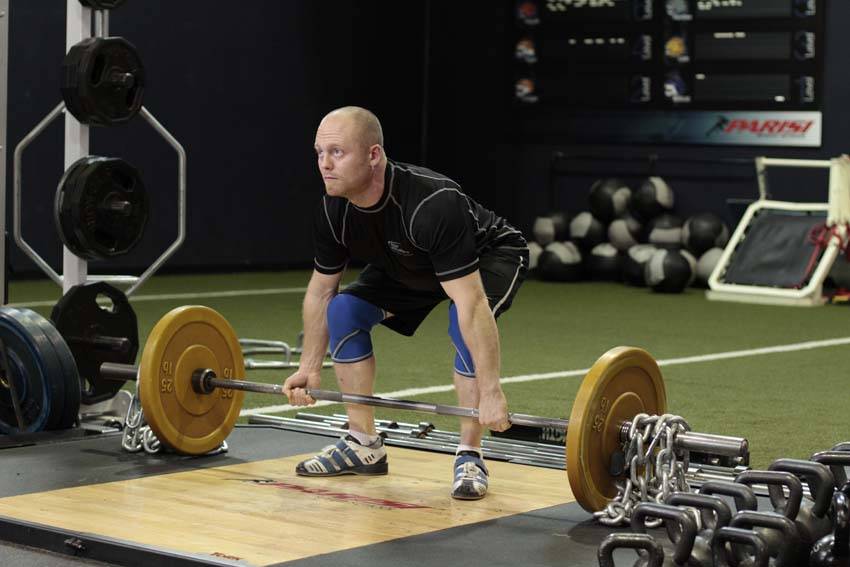
Deadlift with Chains
You can attach the chains to the sleeves of the bar, or just drape the middle over the bar so there is a greater weig...
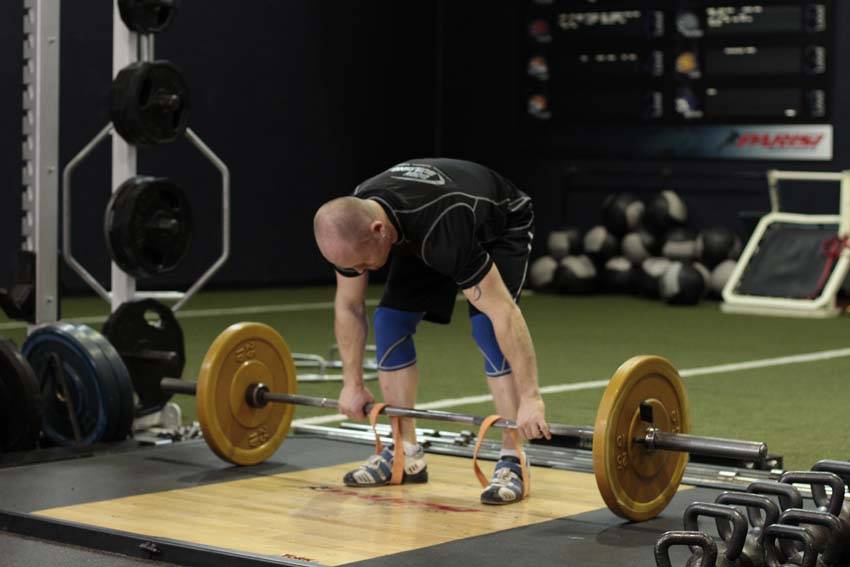
Deadlift with Bands
To deadlift with short bands, simply loop them over the bar before you start, and step into them to set up. For long ...
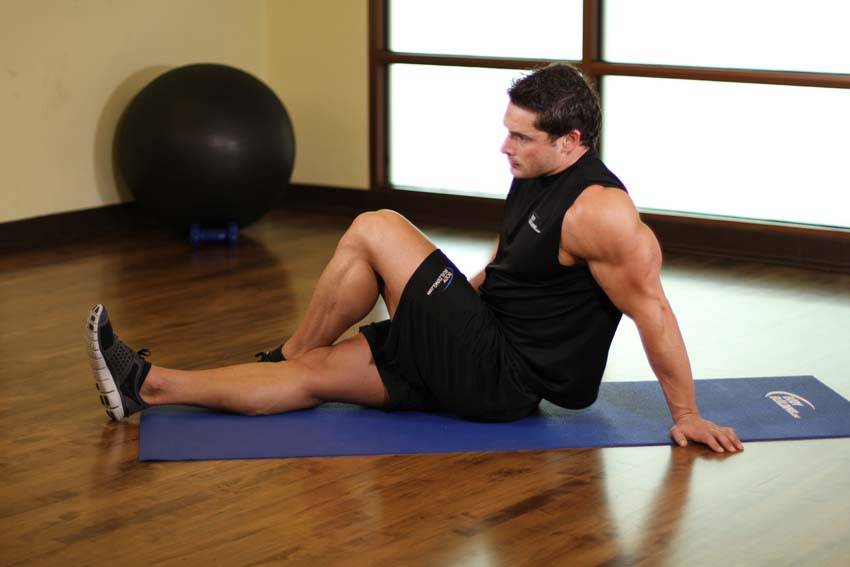
Dancer's Stretch
Sit up on the floor. Cross your right leg over your left, keeping the knee bent. Your left leg is straight and down o...

How to Train the Lower Back Effectively
The lower back muscles play a critical role in spinal stability, posture, and force transfer between the upper and lower body. They are involved in nearly every movement, including lifting, bending, standing, and walking. Weak lower back muscles can lead to poor posture, reduced performance, and an increased risk of injury.
To train the lower back effectively, focus on controlled movements that emphasize stability rather than excessive loading. Proper technique, gradual progression, and balanced training with the core and hips are essential for building strength while protecting the spine.
A balanced lower back workout often includes:
- Stability exercises: back extensions, bird dogs, supermans
- Hip hinge movements: deadlifts, good mornings (with proper form)
- Core support work: planks and anti-rotation exercises
Form Tips for Lower Back Training
- Maintain a neutral spine throughout each movement.
- Avoid excessive arching or rounding of the lower back.
- Use slow, controlled repetitions.
- Prioritize technique over heavy weight.
Common Questions
How often should the lower back be trained?
Lower back exercises can be performed 2–3 times per week, depending on overall training volume and recovery.
Are lower back exercises safe?
Yes, when performed with proper form and appropriate loading. Focus on control and stability rather than maximal weight.