
Lower Back Exercises
 Lower back exercises target the muscles that stabilize the spine and support proper posture during movement. A strong lower back improves lifting mechanics, reduces injury risk, and helps maintain balance and control during everyday activities and training.
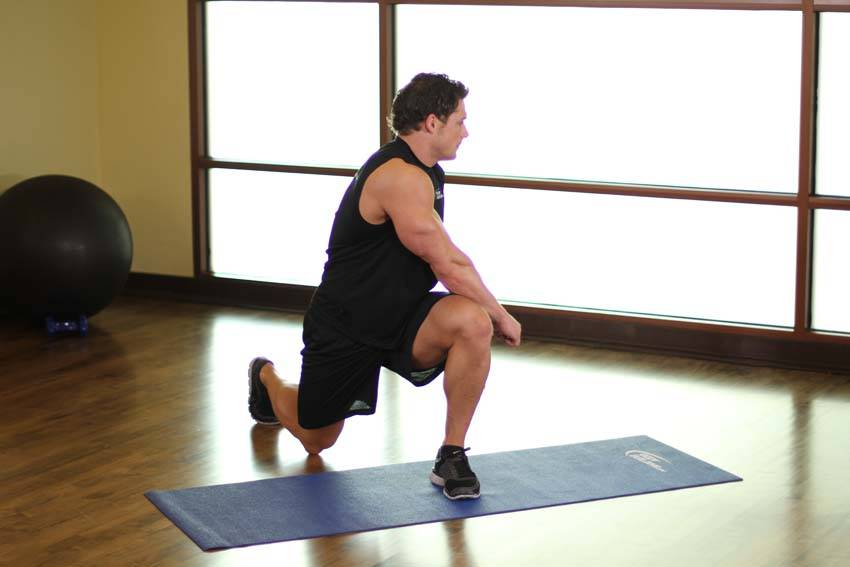
Crossover Reverse Lunge
Stand with your feet shoulder width apart. This will be your starting position. Perform a rear lunge by stepping back...
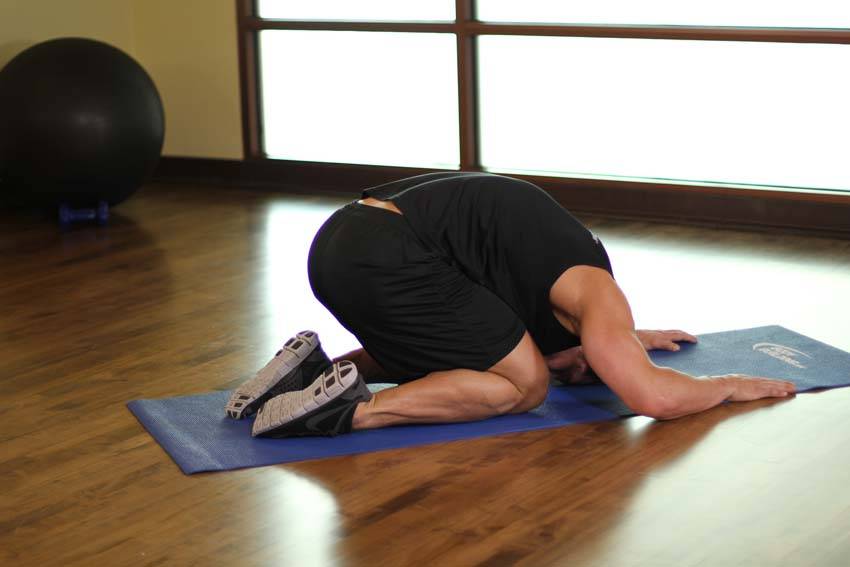
Child's Pose
Get on your hands and knees, walk your hands in front of you. Lower your buttocks down to sit on your heels. Let your...

Cat Stretch
Position yourself on the floor on your hands and knees. Pull your belly in and round your spine, lower back, shoulder...

Barbell Deadlift
Stand in front of a loaded barbell. While keeping the back as straight as possible, bend your knees, bend forward and...
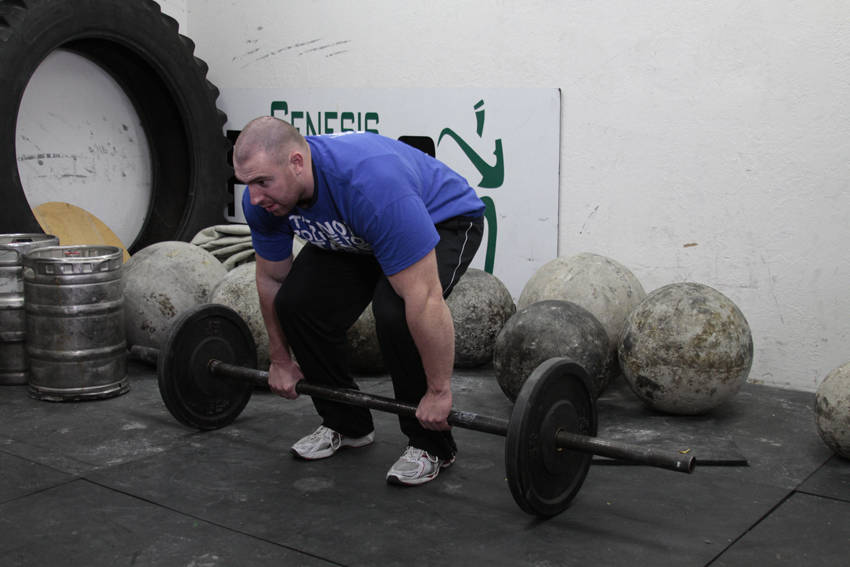
Axle Deadlift
Approach the bar so that it is centered over your feet. You feet should be about hip width apart. Bend at the hip to ...
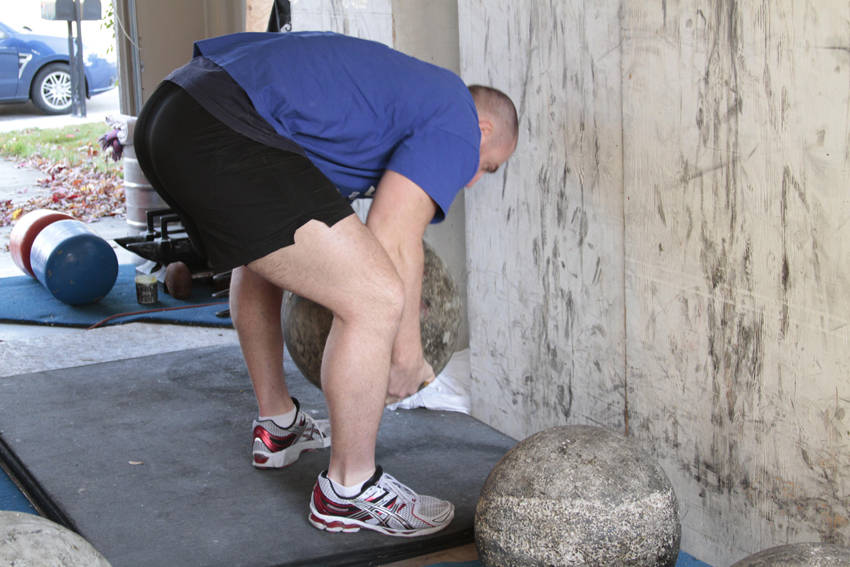
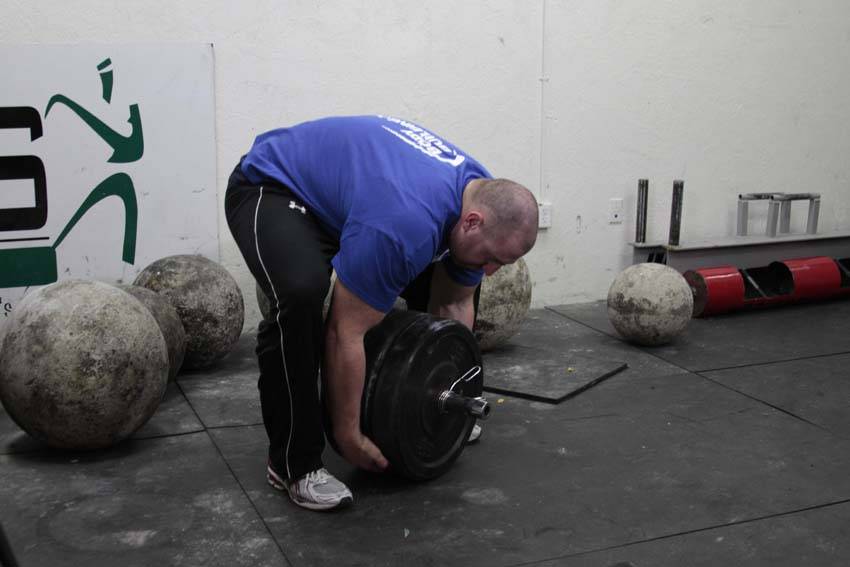
Atlas Stones
Begin with the atlas stone between your feet. Bend at the hips to wrap your arms vertically around the Atlas Stone, a...
Atlas Stone Trainer
This trainer is effective for developing Atlas Stone strength for those who don't have access to stones, and are typi...

How to Train the Lower Back Effectively
The lower back muscles play a critical role in spinal stability, posture, and force transfer between the upper and lower body. They are involved in nearly every movement, including lifting, bending, standing, and walking. Weak lower back muscles can lead to poor posture, reduced performance, and an increased risk of injury.
To train the lower back effectively, focus on controlled movements that emphasize stability rather than excessive loading. Proper technique, gradual progression, and balanced training with the core and hips are essential for building strength while protecting the spine.
A balanced lower back workout often includes:
- Stability exercises: back extensions, bird dogs, supermans
- Hip hinge movements: deadlifts, good mornings (with proper form)
- Core support work: planks and anti-rotation exercises
Form Tips for Lower Back Training
- Maintain a neutral spine throughout each movement.
- Avoid excessive arching or rounding of the lower back.
- Use slow, controlled repetitions.
- Prioritize technique over heavy weight.
Common Questions
How often should the lower back be trained?
Lower back exercises can be performed 2–3 times per week, depending on overall training volume and recovery.
Are lower back exercises safe?
Yes, when performed with proper form and appropriate loading. Focus on control and stability rather than maximal weight.