
Lats Exercises

Lats exercises target the latissimus dorsi, the wide back muscles responsible for pulling movements and upper-body strength. Strong lats improve posture, enhance athletic performance, and help create a balanced, powerful upper body.

Shotgun Row
Attach a single handle to a low cable. After selecting the correct weight, stand a couple feet back with a wide-split...
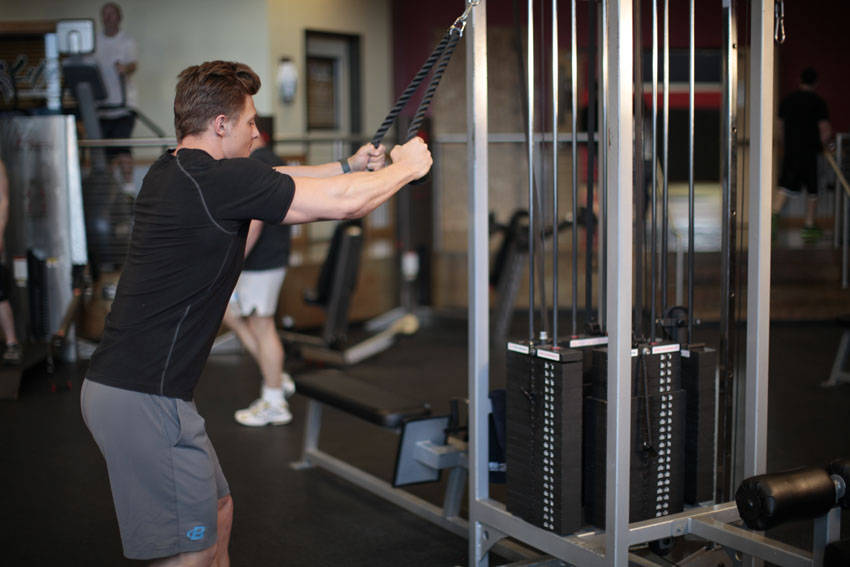
Rope Straight-Arm Pulldown
Attach a rope to a high pulley and make your weight selection. Stand a couple feet back from the pulley with your fee...
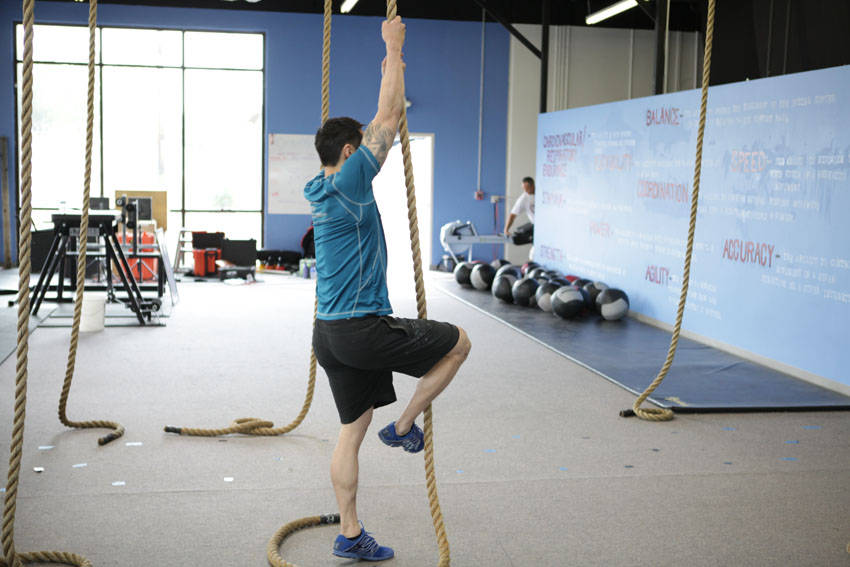
Rope Climb
Grab the rope with both hands above your head. Pull down on the rope as you take a small jump. Wrap the rope around o...
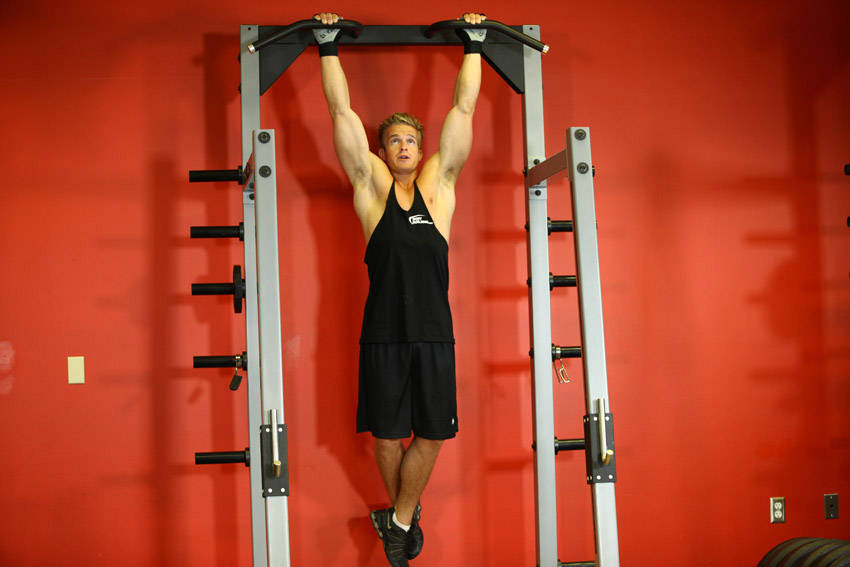
Rocky Pull-Ups/Pulldowns
Grab the pull-up bar with the palms facing forward using a wide grip. As you have both arms extended in front of you ...
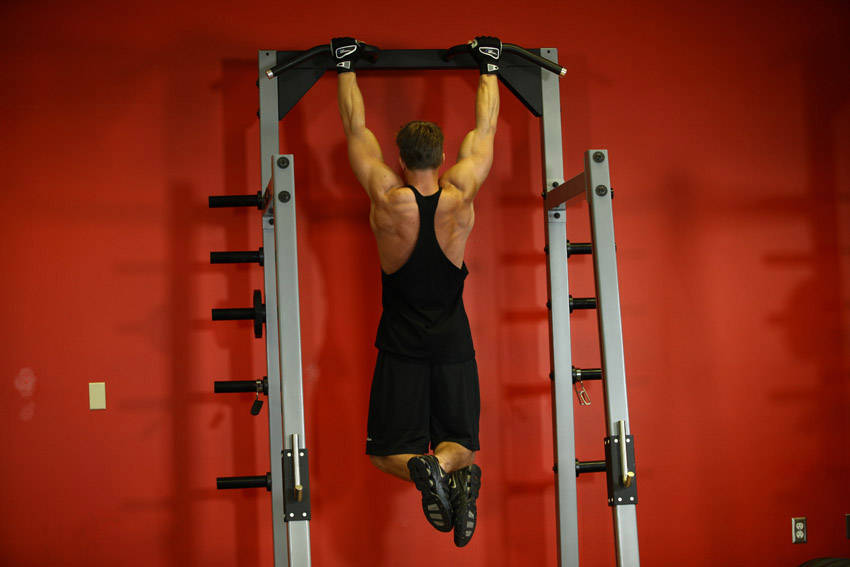
Pullups
Grab the pull-up bar with the palms facing forward using the prescribed grip. Note on grips: For a wide grip, your ha...

Overhead Slam
Hold a medine ball with both hands and stand with your feet at shoulder width. This will be your starting position. I...
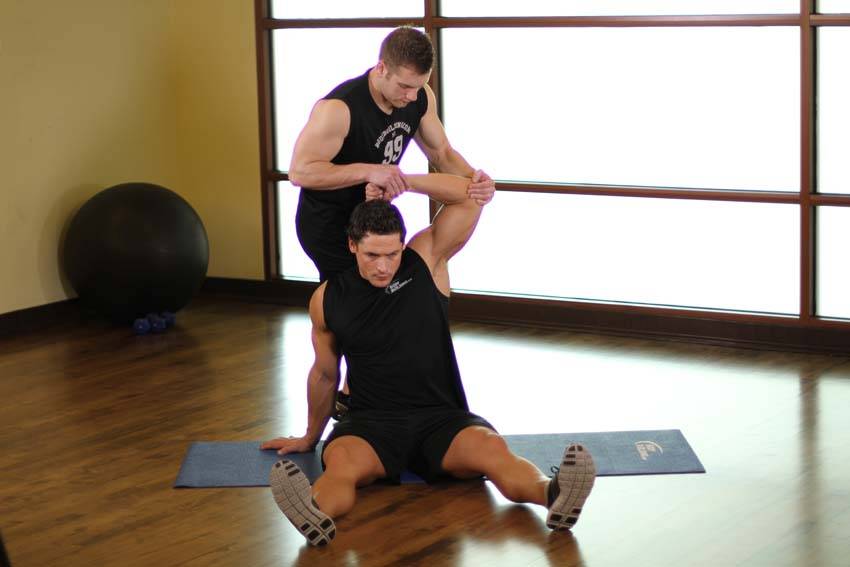
Overhead Lat
Sit upright on the floor with your partner behind you. Raise one arm straight up, and flex the elbow, attempting to t...
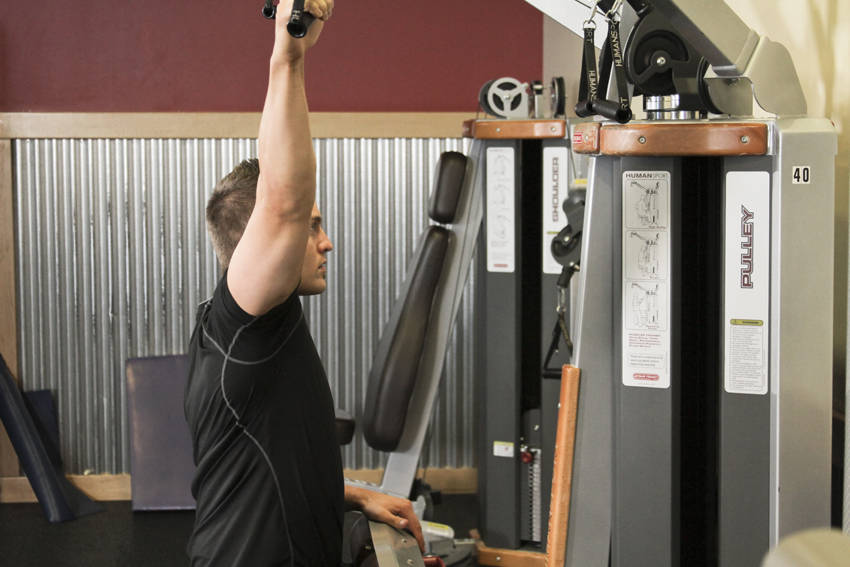
One Arm Lat Pulldown
Select an appropriate weight and adjust the knee pad to help keep you down. Grasp the handle with a pronated grip. Th...
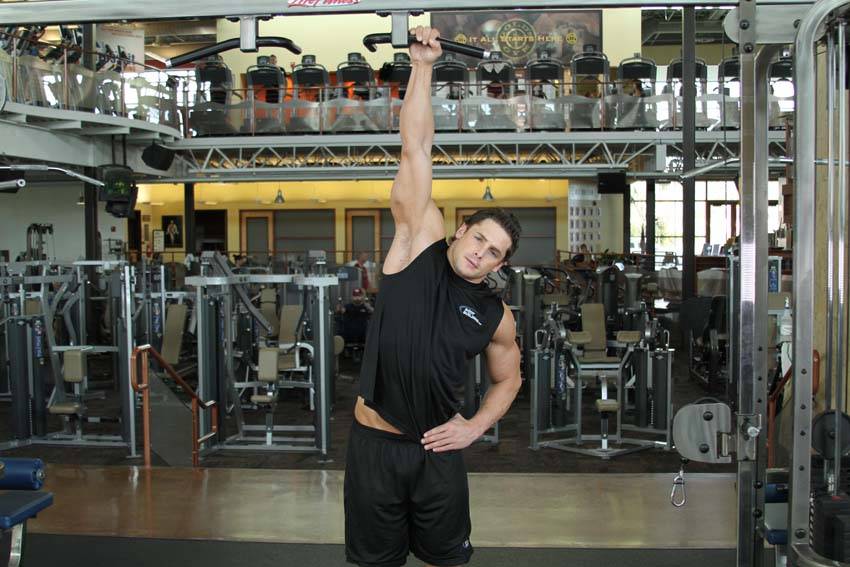
One Handed Hang
Grab onto a chinup bar with one hand, using a pronated grip. Keep your feet on the floor or a step. Allow the majorit...
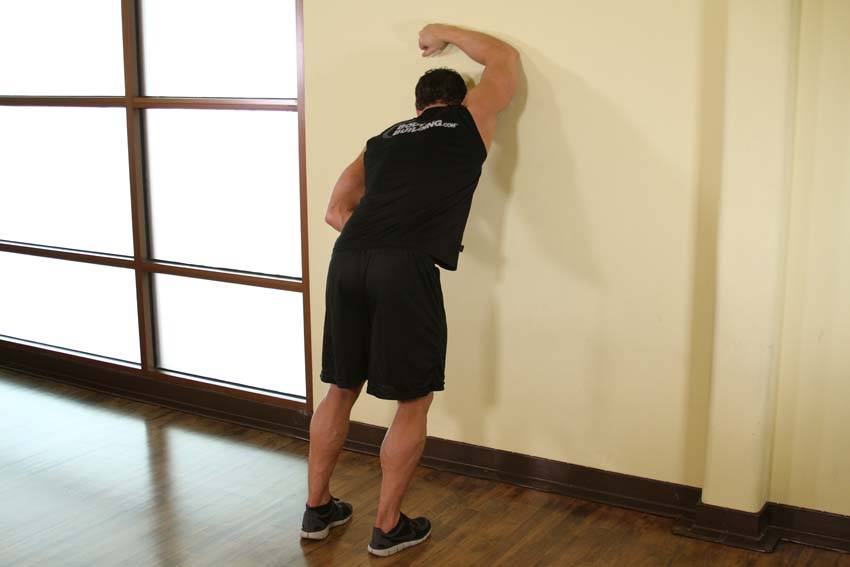
One Arm Against Wall
From a standing position, place a bent arm against a wall or doorway. Slowly lean toward your arm until you feel a st...

How to Train Lats Effectively
The latissimus dorsi muscles play a major role in pulling movements, shoulder stability, and overall upper-body strength. They are heavily involved in exercises such as pull-ups, rows, and pulldowns, and they help support proper posture during daily activities and training.
To train lats effectively, focus on controlled pulling movements and a full range of motion. Emphasize squeezing the back muscles at the end of each repetition and avoid relying on momentum or excessive arm involvement. Varying grip width and angles helps target the lats more completely.
A balanced lats workout often includes:
- Vertical pulls: pull-ups, lat pulldowns
- Horizontal pulls: rows, seated cable rows
- Unilateral work: single-arm rows for balance and symmetry
Form Tips for Lat Training
- Initiate each pull by engaging the shoulder blades.
- Avoid excessive swinging or momentum.
- Keep your chest lifted and core engaged.
- Control the lowering phase for better muscle activation.
Common Questions
How often should lats be trained?
Lats can be trained 1–2 times per week, depending on volume and recovery.
Do lats affect posture?
Yes. Strong lats support proper spinal alignment and help counter rounded shoulders.