
Lats Exercises

Lats exercises target the latissimus dorsi, the wide back muscles responsible for pulling movements and upper-body strength. Strong lats improve posture, enhance athletic performance, and help create a balanced, powerful upper body.
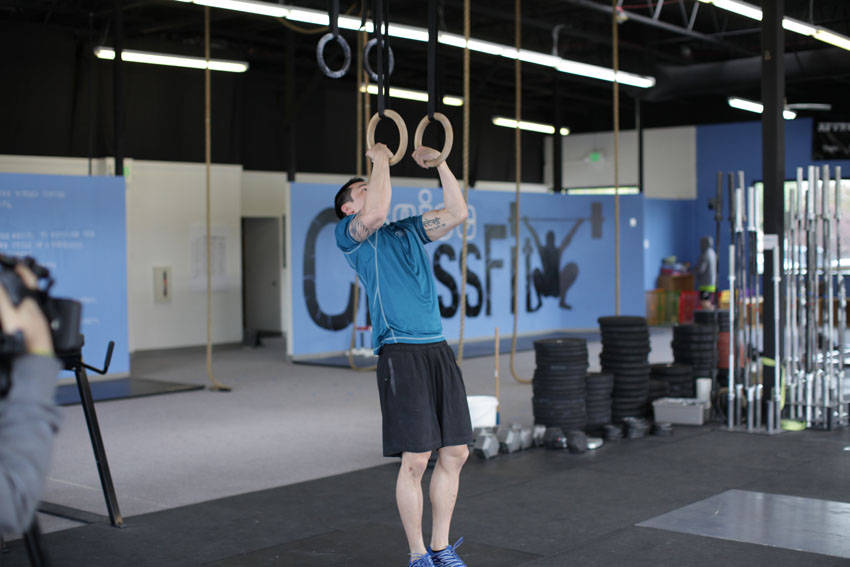
Muscle Up
Grip the rings using a false grip, with the base of your palms on top of the rings. Initiate a pull up by pulling the...
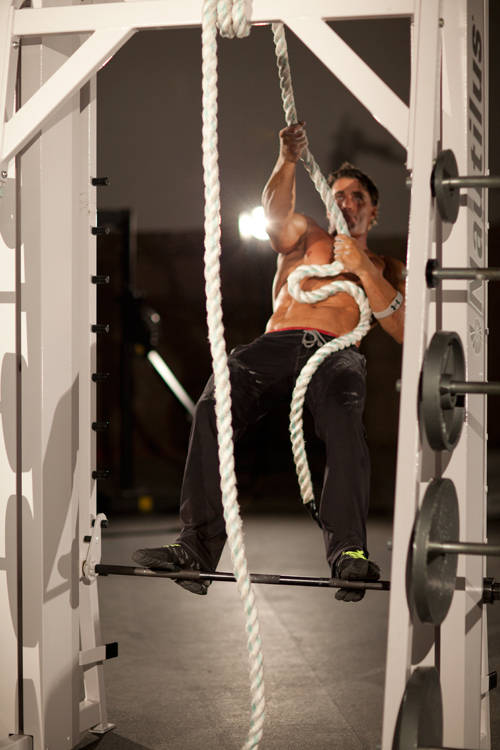
London Bridges
Attach a climbing rope to a high beam or cross member. Below it, ensure that the smith machine bar is locked in place...
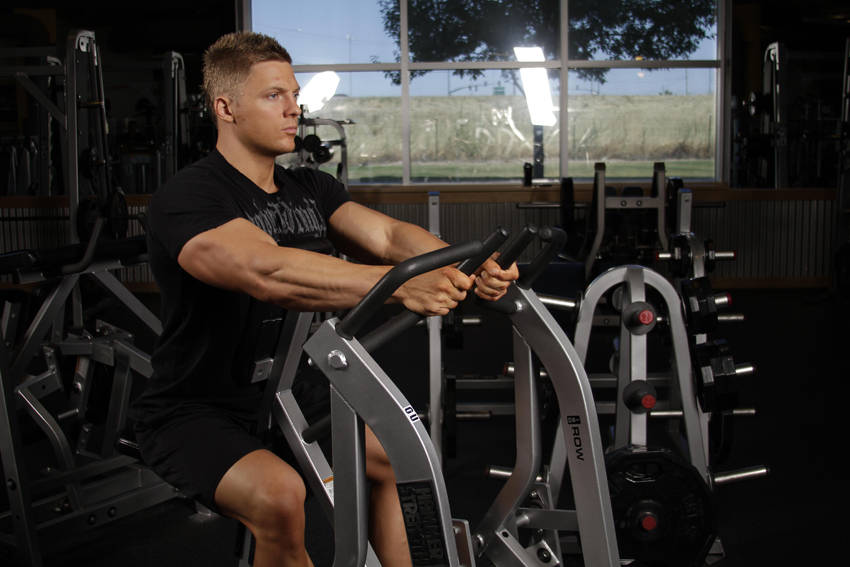
Leverage Iso Row
Load an appropriate weight onto the pins and adjust the seat height so that the handles are at chest level. Grasp the...

Latissimus Dorsi-SMR
While lying on the floor, place a foam roll under your back and to one side, just behind your arm pit. This will be y...
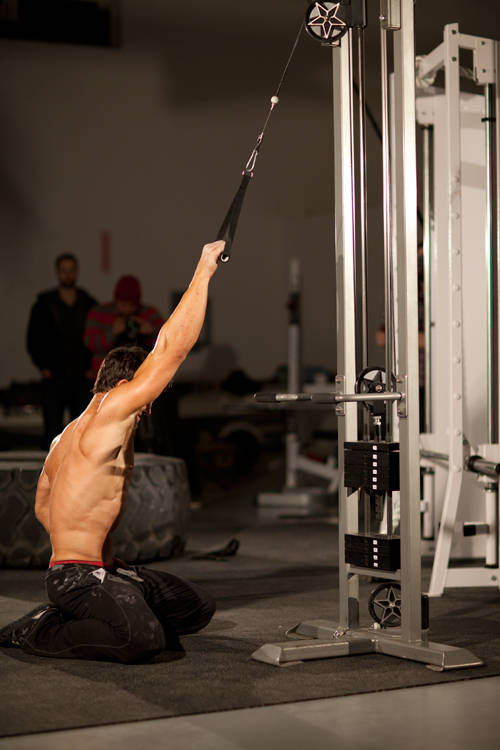
Kneeling Single-Arm High Pulley Row
Attach a single handle to a high pulley and make your weight selection. Kneel in front of the cable tower, taking the...

Kneeling High Pulley Row
Select the appropriate weight using a pulley that is above your head. Attach a rope to the cable and kneel a couple o...
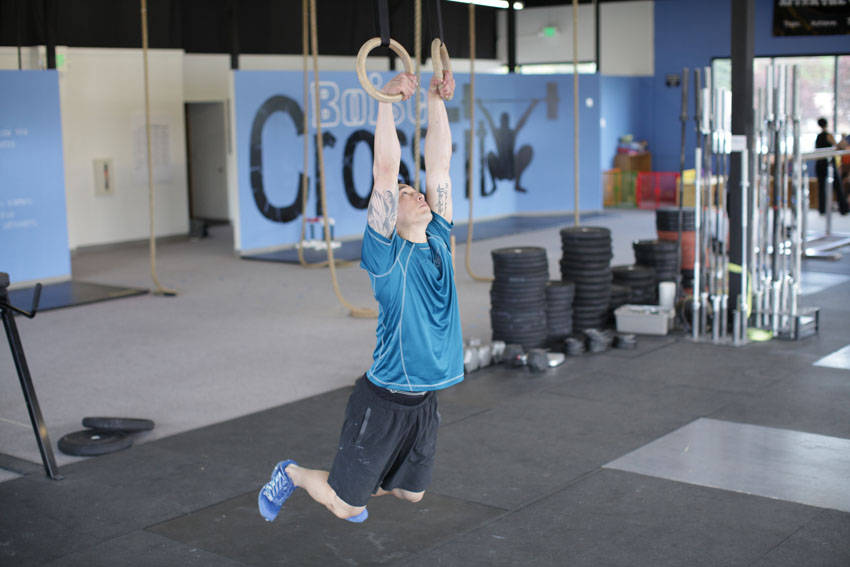
Kipping Muscle Up
Grip the rings using a false grip, with the base of your palms on top of the rings. Begin with a movement swinging yo...
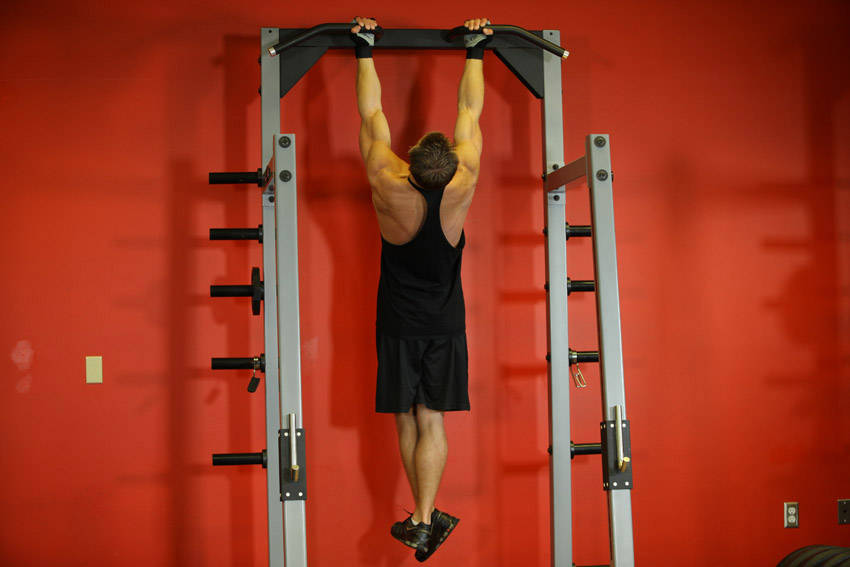
Gironda Sternum Chins
Grasp the pull-up bar with a shoulder width underhand grip. Now hang with your arms fully extended and stick your che...
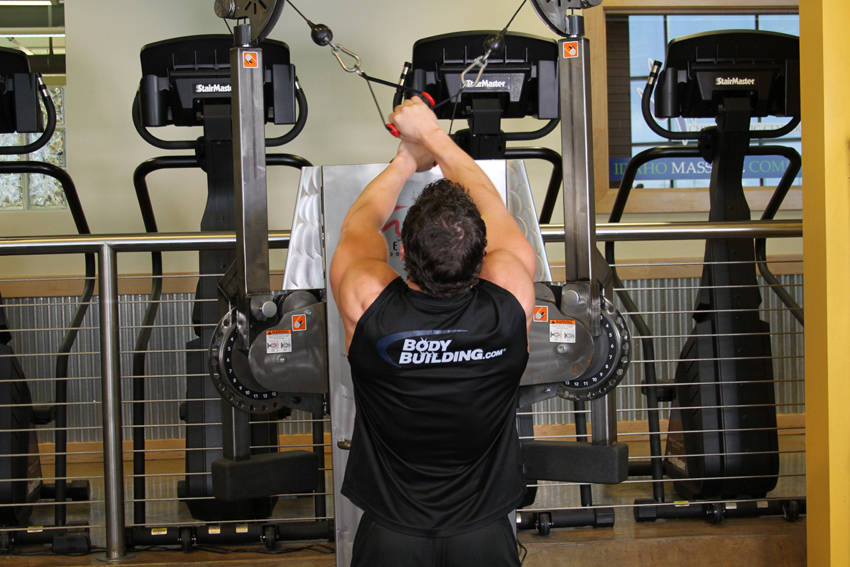
Full Range-Of-Motion Lat Pulldown
Either standing or seated on a high bench, grasp two stirrup cables that are attached to the high pulleys. Grab with ...
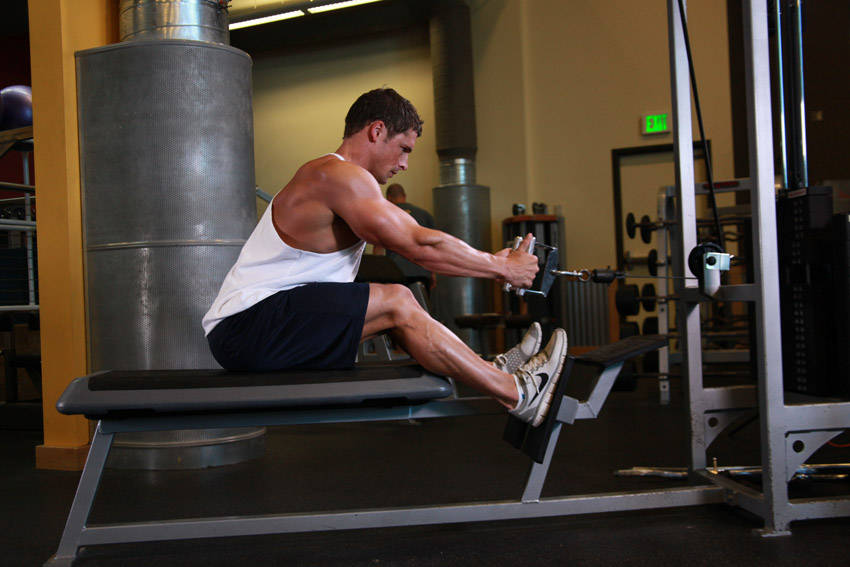
Elevated Cable Rows
Get a platform of some sort (it can be an aerobics or calf raise platform) that is around 4-6 inches in height. Place...

How to Train Lats Effectively
The latissimus dorsi muscles play a major role in pulling movements, shoulder stability, and overall upper-body strength. They are heavily involved in exercises such as pull-ups, rows, and pulldowns, and they help support proper posture during daily activities and training.
To train lats effectively, focus on controlled pulling movements and a full range of motion. Emphasize squeezing the back muscles at the end of each repetition and avoid relying on momentum or excessive arm involvement. Varying grip width and angles helps target the lats more completely.
A balanced lats workout often includes:
- Vertical pulls: pull-ups, lat pulldowns
- Horizontal pulls: rows, seated cable rows
- Unilateral work: single-arm rows for balance and symmetry
Form Tips for Lat Training
- Initiate each pull by engaging the shoulder blades.
- Avoid excessive swinging or momentum.
- Keep your chest lifted and core engaged.
- Control the lowering phase for better muscle activation.
Common Questions
How often should lats be trained?
Lats can be trained 1–2 times per week, depending on volume and recovery.
Do lats affect posture?
Yes. Strong lats support proper spinal alignment and help counter rounded shoulders.