
Hamstrings Exercises
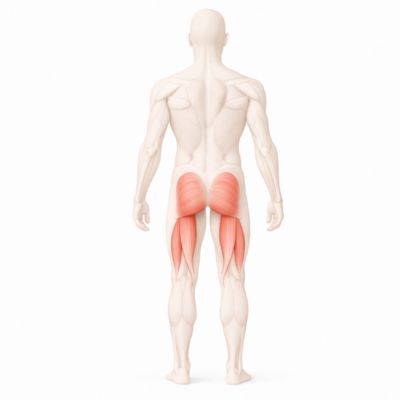 Hamstrings exercises target the muscles at the back of the upper legs that control hip extension and knee flexion. Strong hamstrings improve athletic performance, protect the knees and lower back, and support powerful, balanced lower-body movement.
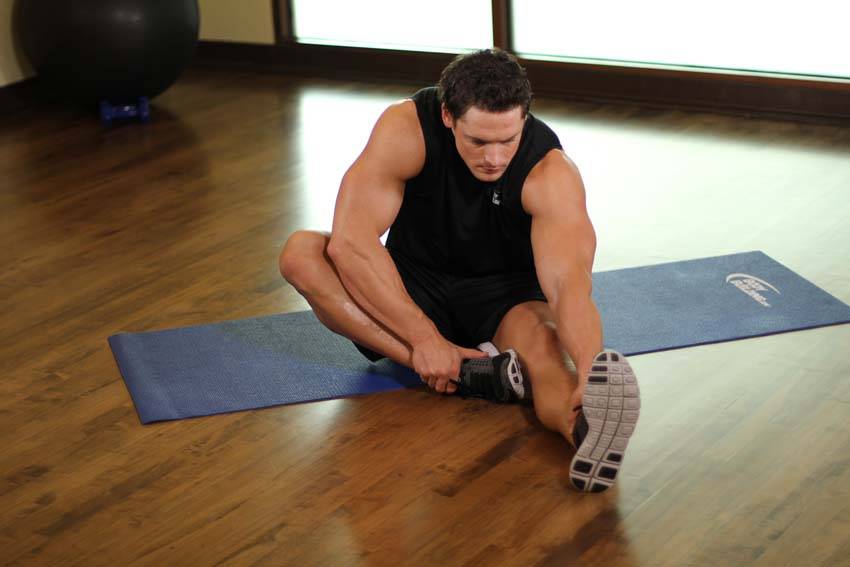
Seated Floor Hamstring Stretch
Sit on a mat with your right leg extended in front of you and your left leg bent with your foot against your right in...
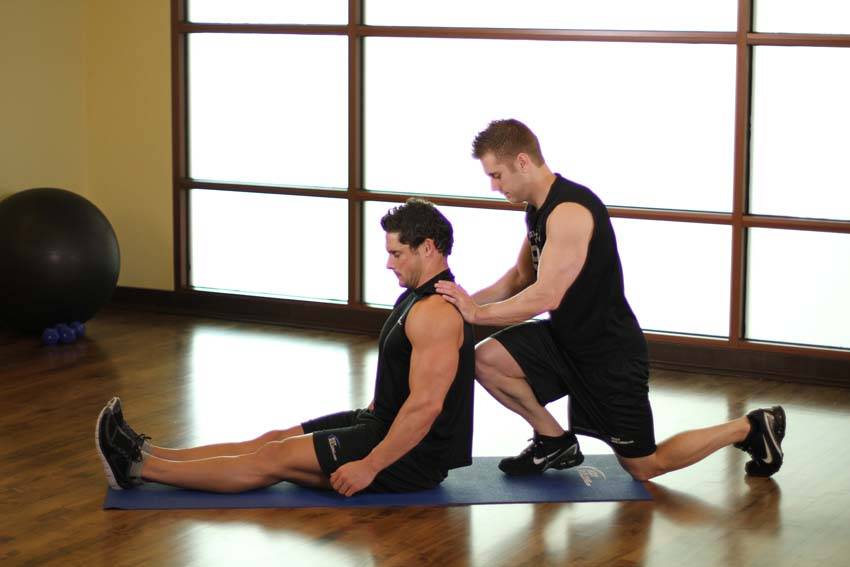
Seated Hamstring
In a seated position with your legs extended, have your partner stand behind you. Now, lean forward as your partner b...
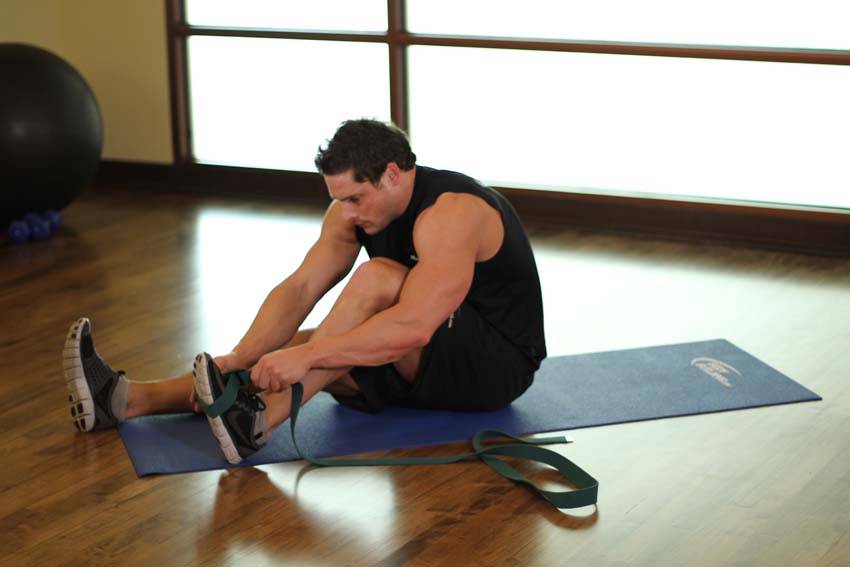
Seated Hamstring and Calf Stretch
Loop a belt, rope, or band around one foot. Sit down with both legs extended . This will be your starting position. L...
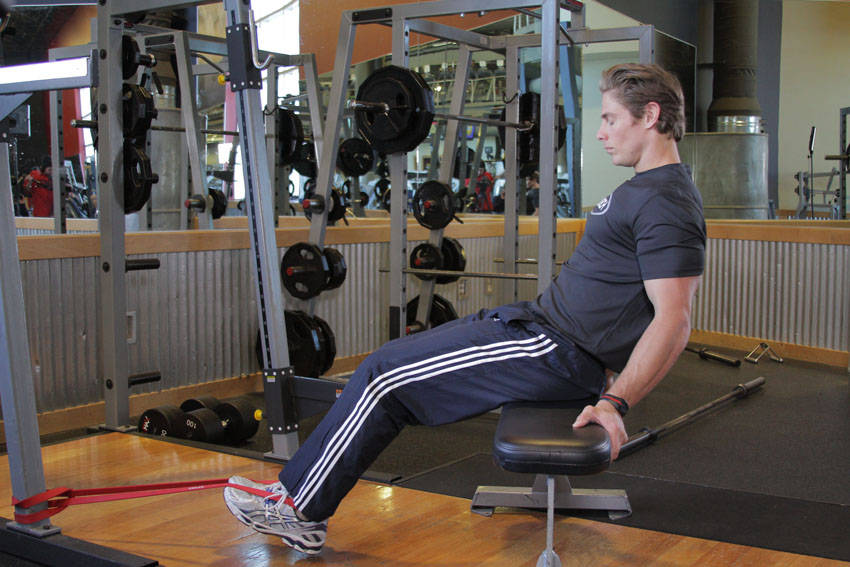
Seated Band Hamstring Curl
Secure a band close to the ground and place a bench a couple feet away from it. Seat yourself on the bench and secure...
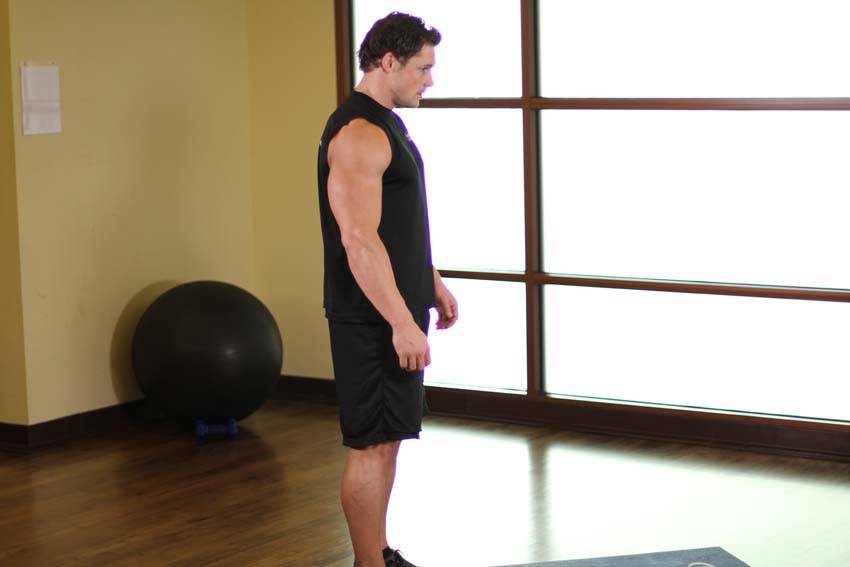
Runner's Stretch
It's easiest to get into this stretch if you start standing up, put one leg behind you, and slowly lower your torso d...
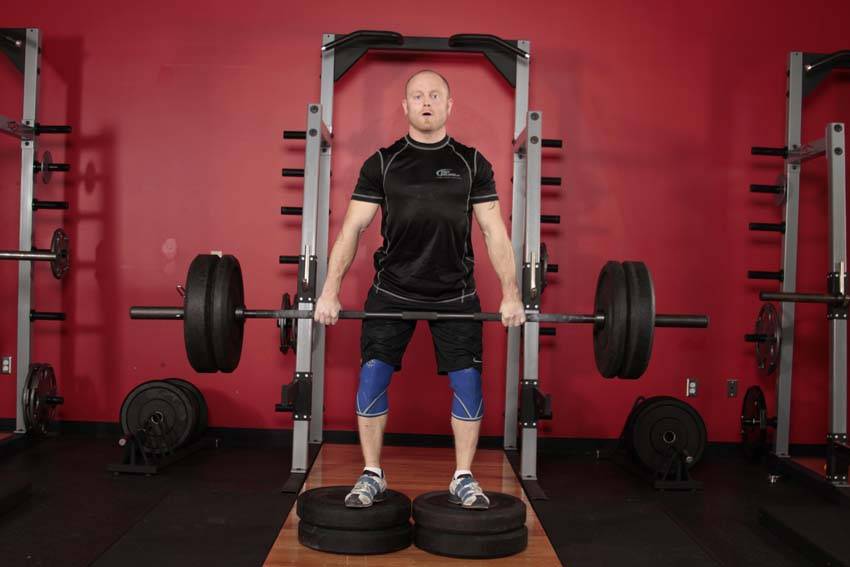
Romanian Deadlift from Deficit
Begin standing while holding a bar at arm's length in front of you. You can stand on a raised platform to increase th...
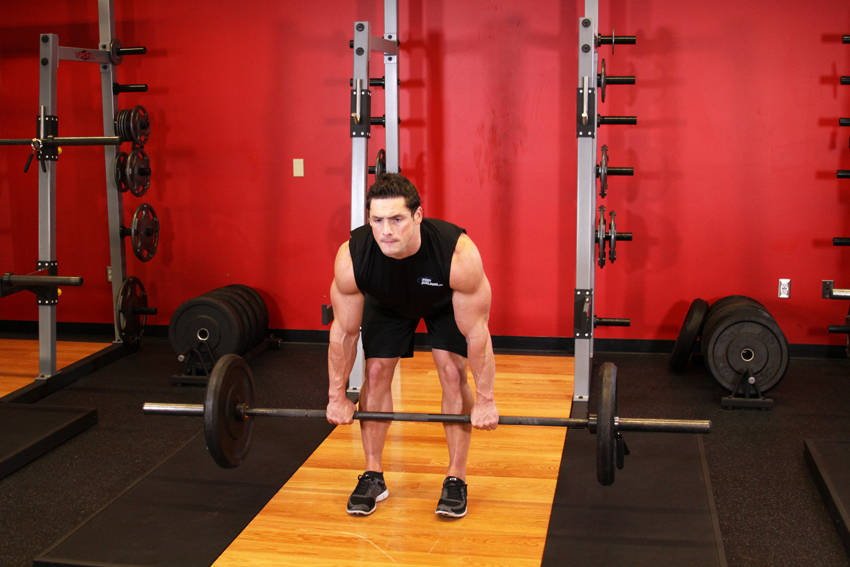
Romanian Deadlift
Put a barbell in front of you on the ground and grab it using a pronated (palms facing down) grip that a little wider...
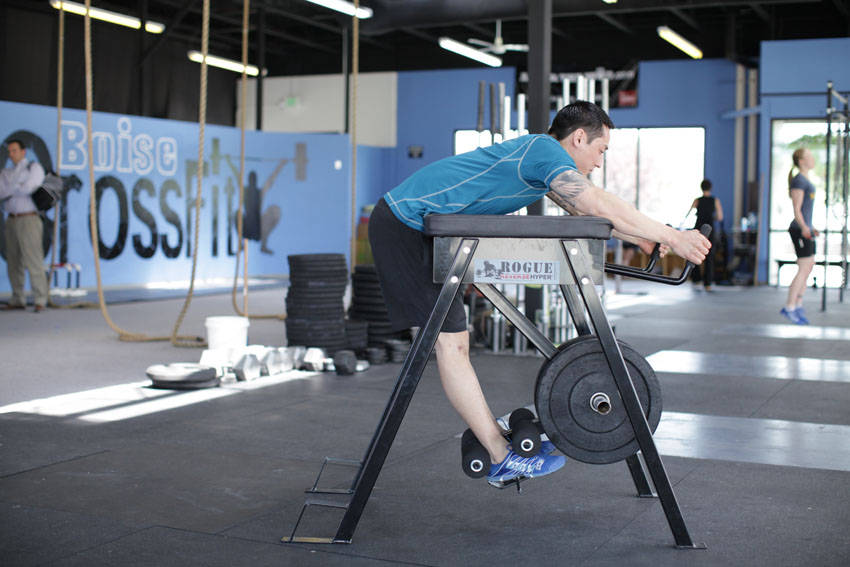
Reverse Hyperextension
Place your feet between the pads after loading an appropriate weight. Lay on the top pad, allowing your hips to hang ...
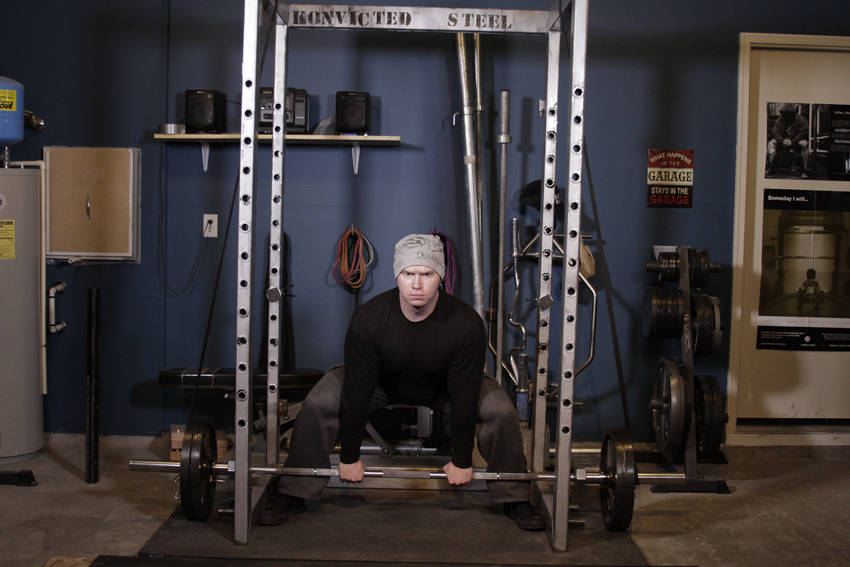
Reverse Band Sumo Deadlift
Begin with a bar loaded on the floor inside of a power rack. Attach bands to the top of the rack, using either pegs o...
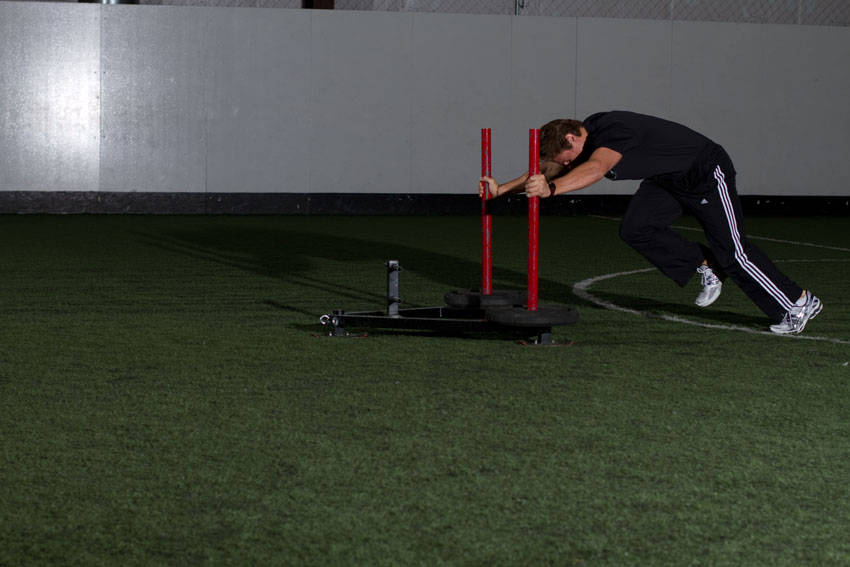
Prowler Sprint
Place your sled on an appropriate surface, loaded to a suitable weight. The sled should provide enough resistance to ...
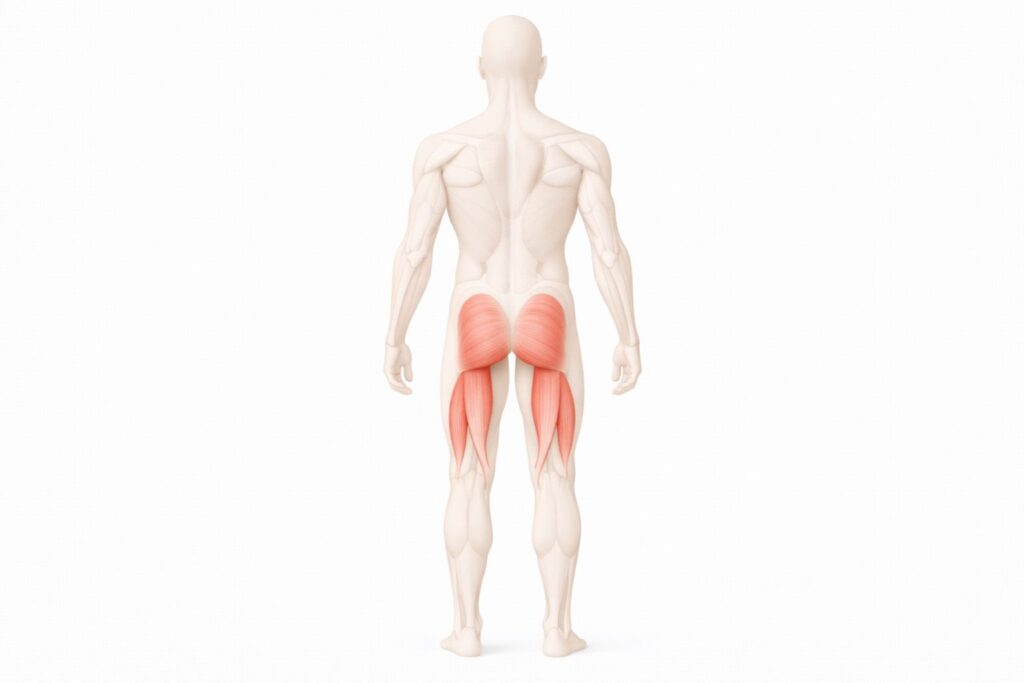
How to Train Hamstrings Effectively
The hamstrings are a group of muscles located on the back of the thighs that play a key role in hip extension, knee flexion, and lower-body stability. They are heavily involved in movements such as running, jumping, hinging, and lifting. Weak hamstrings can increase the risk of knee injuries, lower-back strain, and muscular imbalances.
To train hamstrings effectively, include both hip-dominant and knee-dominant exercises. Focus on slow, controlled repetitions and a full range of motion, especially during the eccentric (lowering) phase. Consistent progression and proper recovery are essential for building strength and resilience.
A balanced hamstrings workout often includes:
- Hip hinge movements: Romanian deadlifts, good mornings
- Knee flexion exercises: leg curls, stability ball curls
- Unilateral work: single-leg deadlifts, lunges
Form Tips for Hamstrings Training
- Maintain a neutral spine during hinge movements.
- Control the lowering phase to increase muscle engagement.
- Avoid rushing repetitions or using momentum.
- Train both legs evenly to prevent imbalances.
Common Questions
How often should hamstrings be trained?
Hamstrings can be t