
Calves Exercises
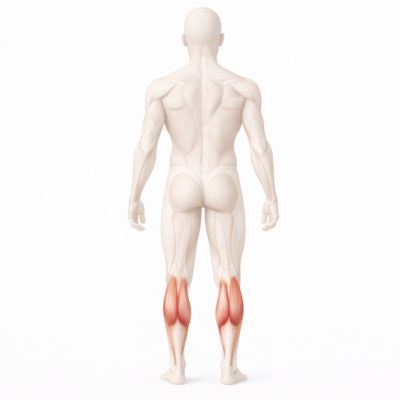
Calves exercises target the muscles of the lower leg responsible for ankle movement, balance, and propulsion. Strong calves improve athletic performance, support knee and ankle health, and help build powerful, well-defined lower legs for everyday movement and training.

Posterior Tibialis Stretch
In a seated position, loop a belt, rope, or band around one foot. This will be your starting position. With the leg e...
Peroneals Stretch
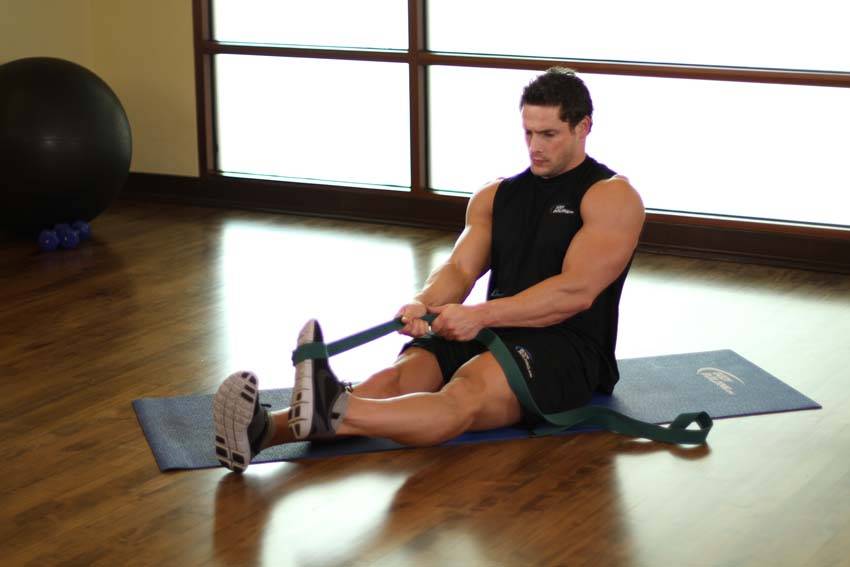
In a seated position, loop a belt, rope, or band around one foot. This will be your starting position. With the leg e...
Peroneals-SMR
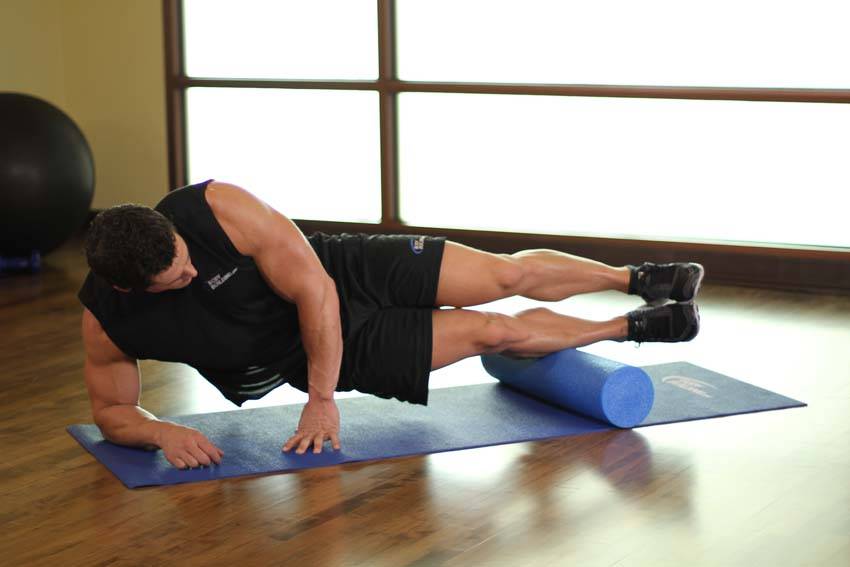
Lay on your side, supporting your weight on your forearm and on a foam roller placed on the outside of your lower leg...
Knee Circles
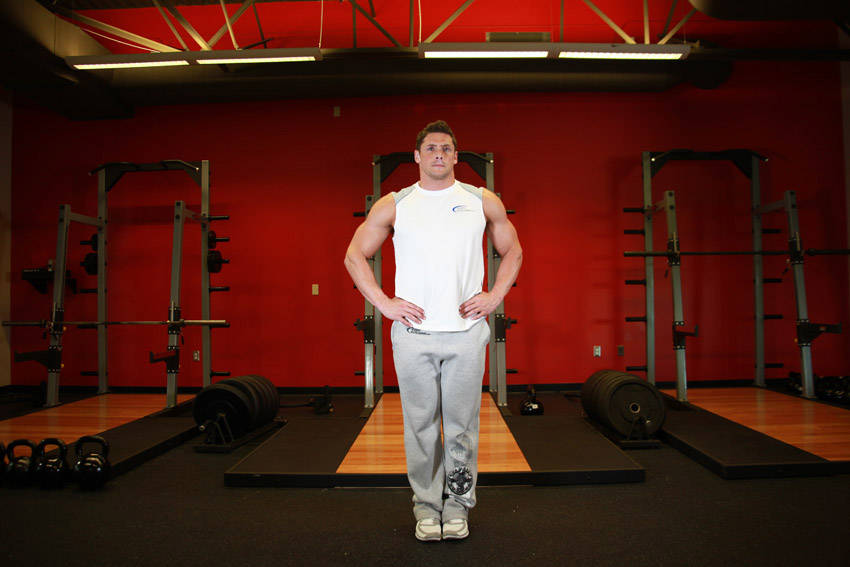
Stand with your legs together and hands by your waist. Now move your knees in a circular motion as you breathe normal...
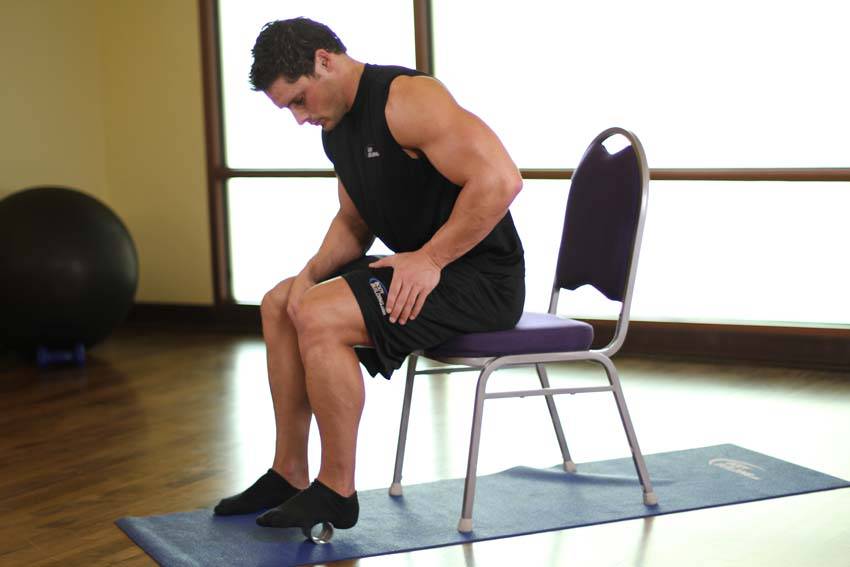
Foot-SMR
This exercise stretches the fascia of the muscles in the feet. Start off seated with your shoes removed. Using a foot...
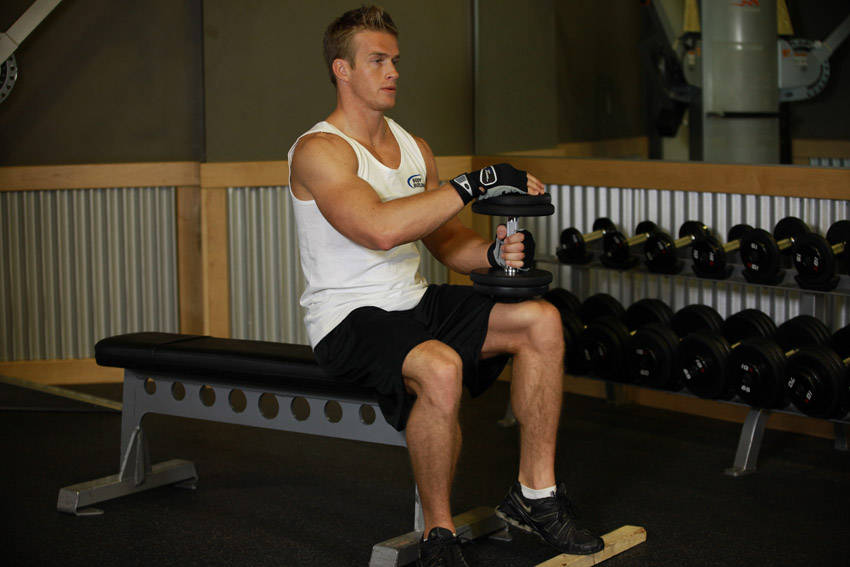
Dumbbell Seated One-Leg Calf Raise
Place a block on the floor about 12 inches from a flat bench. Sit on a flat bench and place a dumbbell on your upper ...

Donkey Calf Raises
For this exercise you will need access to a donkey calf raise machine. Start by positioning your lower back and hips ...
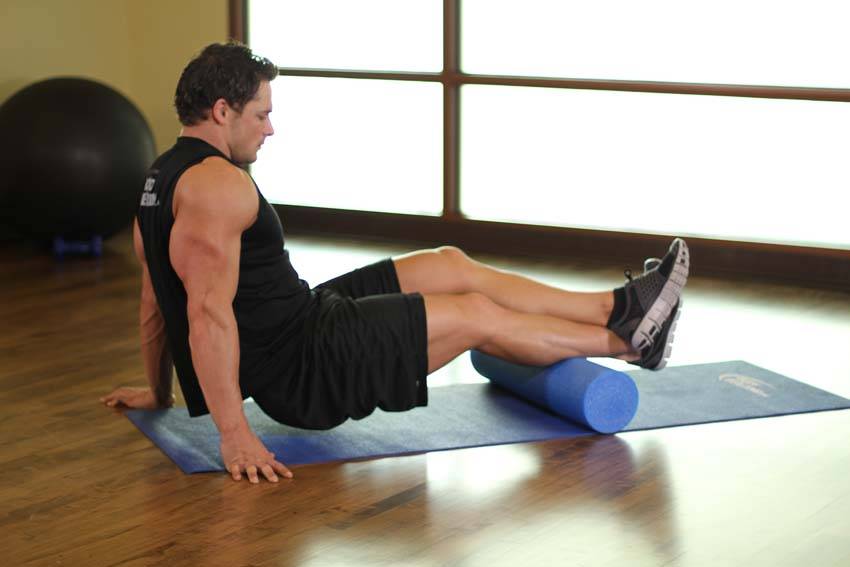
Calves-SMR
Begin seated on the floor. Place a foam roller underneath your lower leg. Your other leg can either be crossed over t...
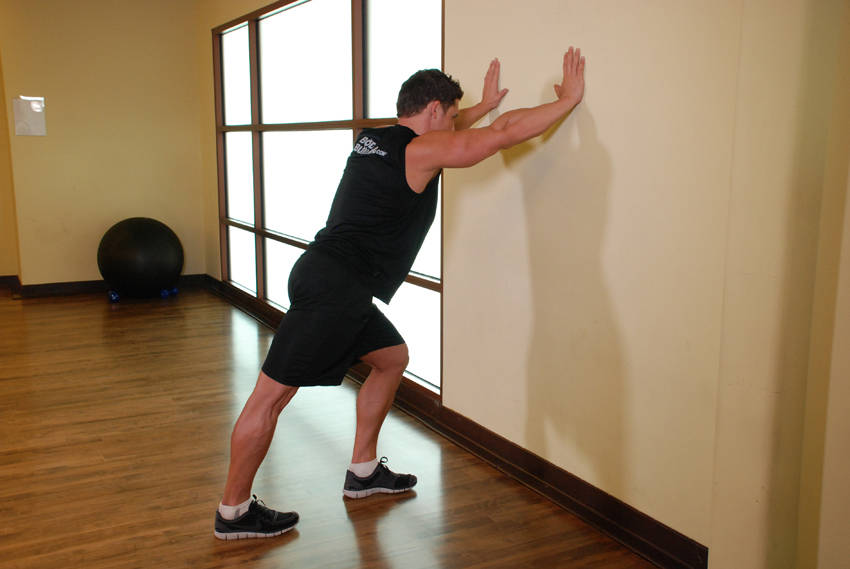
Calf Stretch Hands Against Wall
Stand facing a wall from several feet away. Stagger your stance, placing one foot forward. Lean forward and rest your...
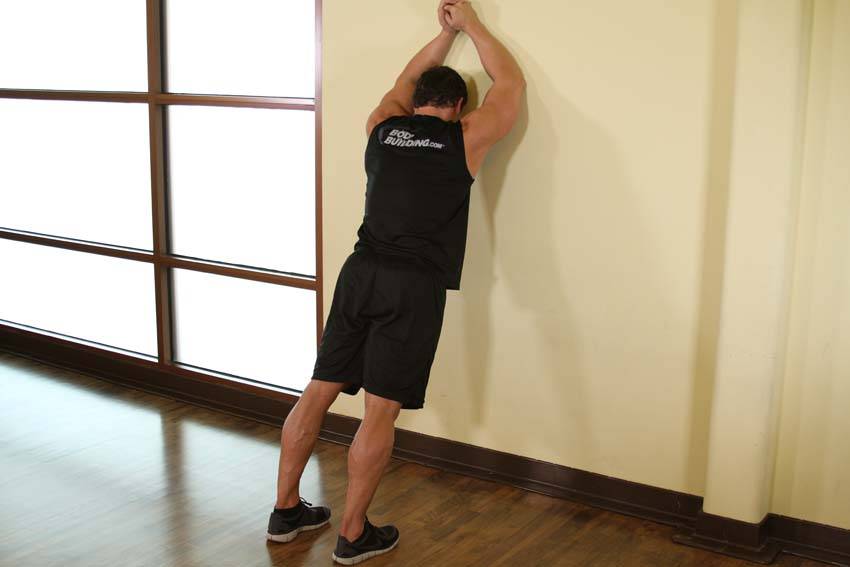
Calf Stretch Elbows Against Wall
Stand facing a wall from a couple feet away. Lean against the wall, placing your weight on your forearms. Attempt to ...

How to Train Calves Effectively
The calf muscles play a major role in walking, running, jumping, and maintaining balance. They control ankle movement and help absorb impact during lower-body activity. Weak calves can lead to reduced performance, ankle instability, and increased risk of injury, especially during high-impact or endurance-based training.
To train calves effectively, focus on both strength and endurance. Use a full range of motion by lowering the heel under control and fully extending at the top of each repetition. Calves respond well to higher training frequency, moderate-to-high repetitions, and consistent progression over time.
A balanced calves workout often includes:
- Standing movements: standing calf raises, machine calf raises
- Seated movements: seated calf raises to target deeper calf muscles
- Single-leg work: single-leg calf raises for balance and symmetry
Form Tips for Calf Training
- Use slow, controlled reps—avoid bouncing at the bottom.
- Pause briefly at the top to fully engage the calves.
- Train both straight-leg and bent-knee variations.
- Stretch calves regularly to maintain mobility and range of motion.
Common Questions
How often should calves be trained?
Calves can be trained 2–4 times per week due to their endurance-oriented muscle fibers and daily use.
Why are calves hard to grow?
Calves are heavily used in daily movement, so they often require higher volume, consistent loading, and patience to stimulate growth.