
Donkey Calf Raises Exercise
Builds strength and control by improving stability, coordination, and efficient movement.

Description
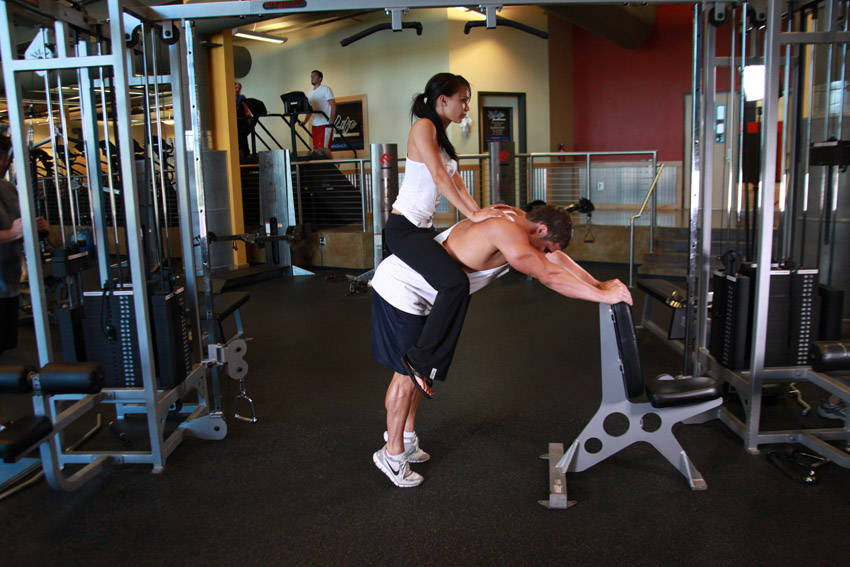
Donkey calf raises focuses on controlled movement and maintaining proper body alignment throughout the exercise. The goal is to create tension where needed while avoiding unnecessary strain or momentum. This helps improve movement quality, joint stability, and overall physical control.
Instructions:
- For this exercise you will need access to a donkey calf raise machine. Start by positioning your lower back and hips under the padded lever provided. The tailbone area should be the one making contact with the pad.
- Place both of your arms on the side handles and place the balls of your feet on the calf block with the heels extending off. Align the toes forward, inward or outward, depending on the area you wish to target, and straighten the knees without locking them. This will be your starting position.
- Raise your heels as you breathe out by extending your ankles as high as possible and flexing your calf. Ensure that the knee is kept stationary at all times. There should be no bending at any time. Hold the contracted position by a second before you start to go back down.
- Go back slowly to the starting position as you breathe in by lowering your heels as you bend the ankles until calves are stretched.
- Repeat for the recommended amount of repetitions.
Exercise FAQ
Which muscles should feel like they’re doing most of the work?
You should feel the target muscles working while the rest of the body stays braced. If a joint or the lower back is doing the heavy lifting, reduce load and tighten your setup.
What’s a common mistake people make here?
Rushing reps and losing body position. Keep the movement smooth and repeatable so tension stays where you want it.
What should I do if I feel it in the wrong place?
Check your setup, slow down, and reduce weight. If discomfort is sharp or in a joint, stop and choose an easier variation. Think of it as raising done with repeatable, clean reps.
Disclaimer
This content is for educational purposes only and does not replace professional medical or fitness advice. Consult a qualified healthcare provider before beginning any new exercise routine. Exercise safely and listen to your body.
Alternative exercises:
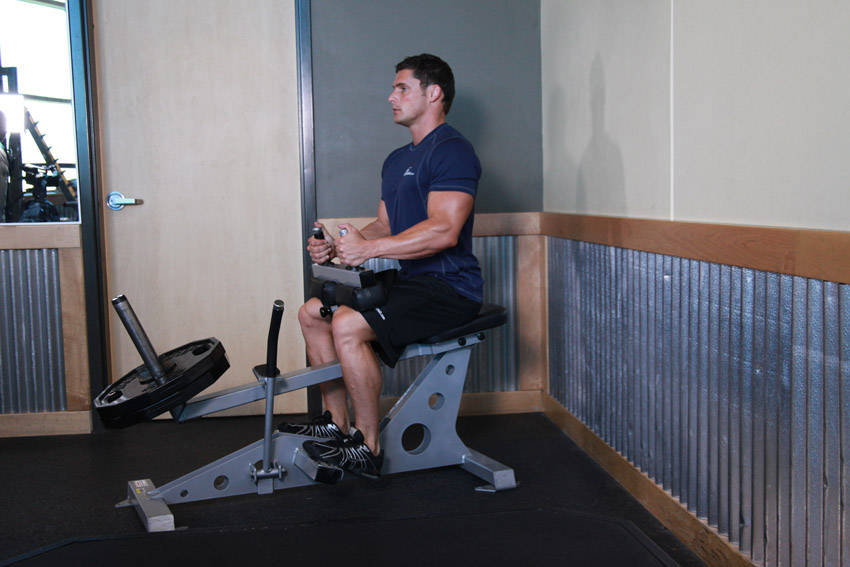
Seated Calf Raise
Sit on the machine and place your toes on the lower portion of the platform provided with the heels extendi...
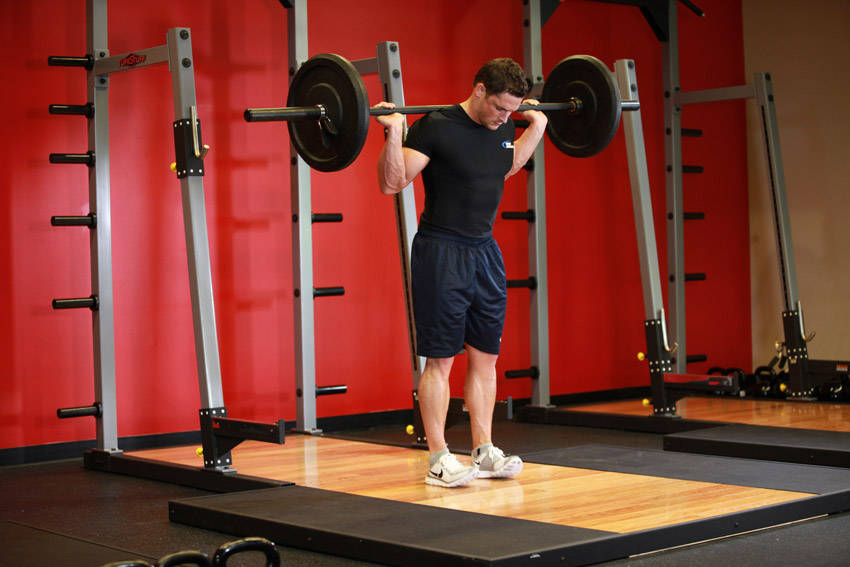
Rocking Standing Calf Raise
This exercise is best performed inside a squat rack for safety purposes. To begin, first set the bar on a r...
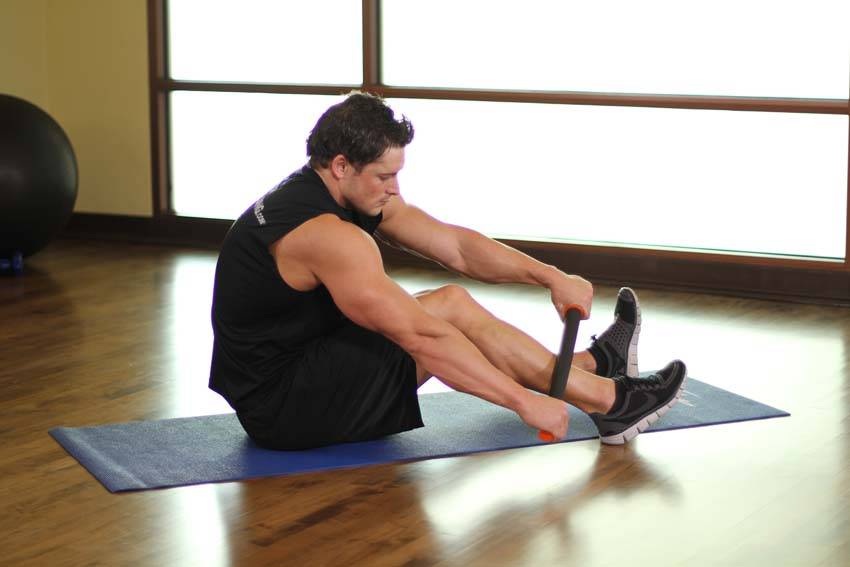
Anterior Tibialis-SMR
Begin seated on the ground with your legs bent and your feet on the floor. Using a Muscle Roller or a rolli...