
Calves Exercises
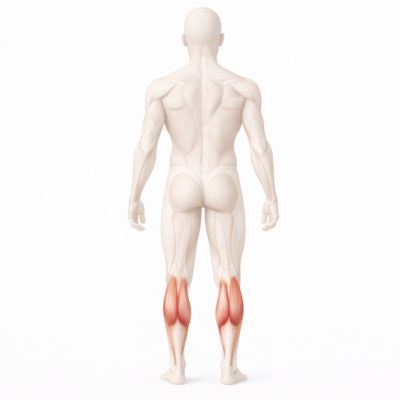
Calves exercises target the muscles of the lower leg responsible for ankle movement, balance, and propulsion. Strong calves improve athletic performance, support knee and ankle health, and help build powerful, well-defined lower legs for everyday movement and training.
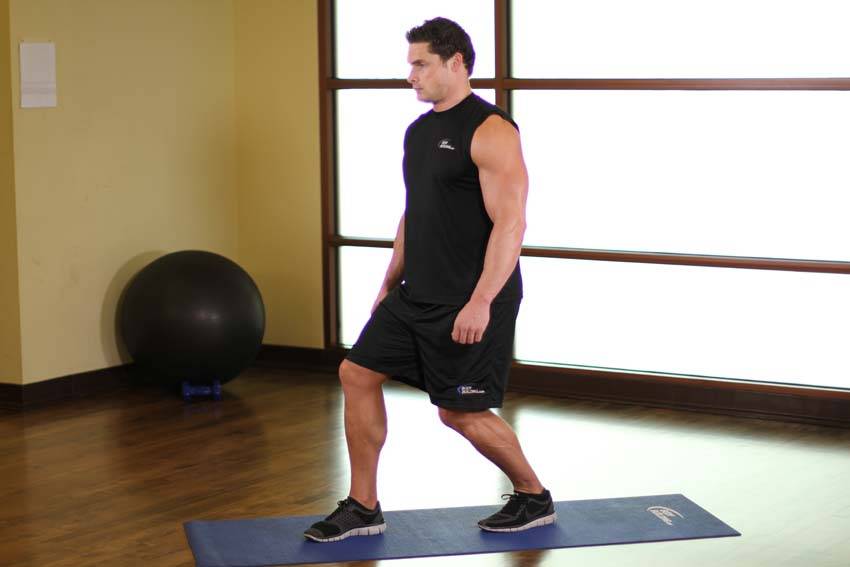
Standing Soleus And Achilles Stretch
Stand with your feet hip-distance apart, one foot slightly in front of the other. Bend both knees, keeping your back ...

Standing Gastrocnemius Calf Stretch
Place your right heel on a step with your knee extended and lean forward to grab your right toe with your right hand....
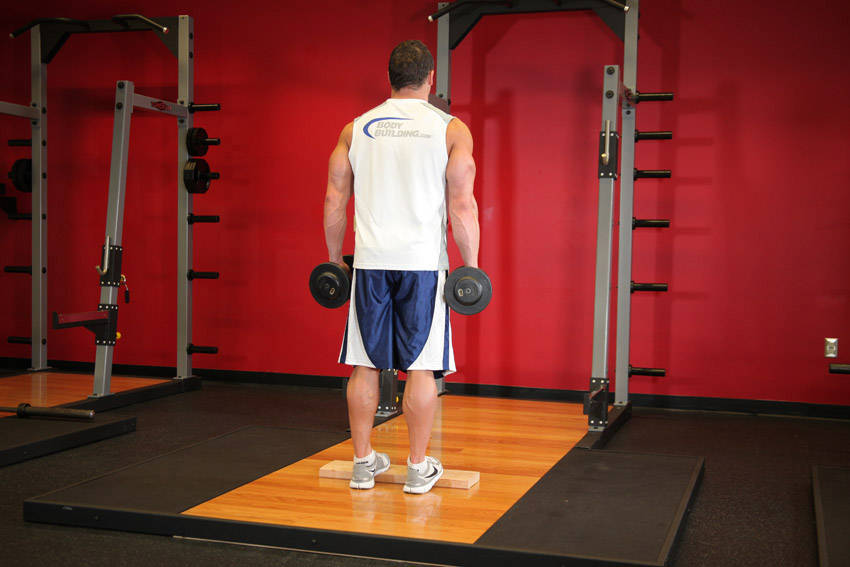
Standing Dumbbell Calf Raise
Stand with your torso upright holding two dumbbells in your hands by your sides. Place the ball of the foot on a stur...
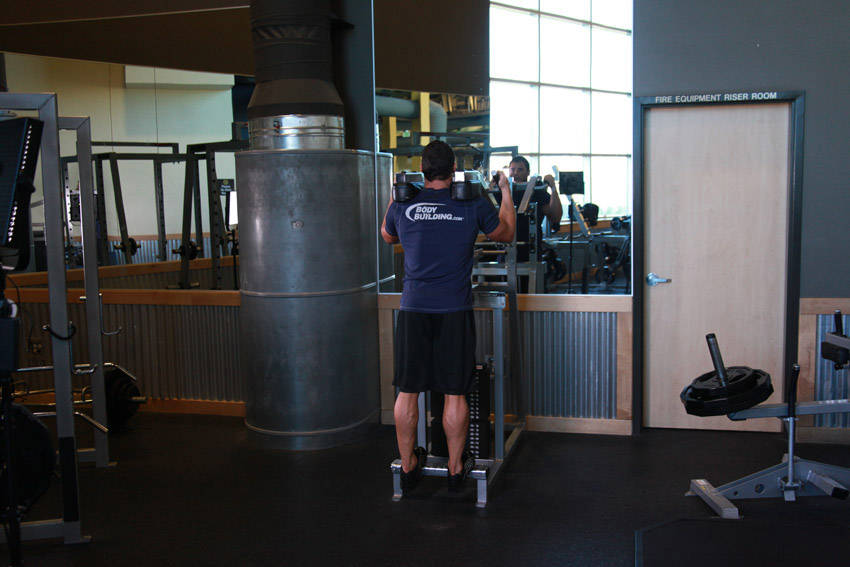
Standing Calf Raises
Adjust the padded lever of the calf raise machine to fit your height. Place your shoulders under the pads provided an...
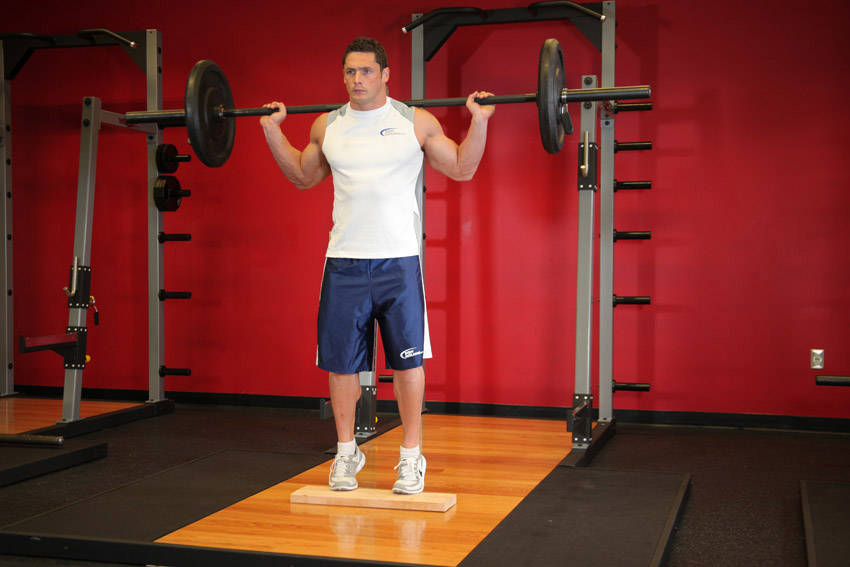
Standing Barbell Calf Raise
This exercise is best performed inside a squat rack for safety purposes. To begin, first set the bar on a rack that b...
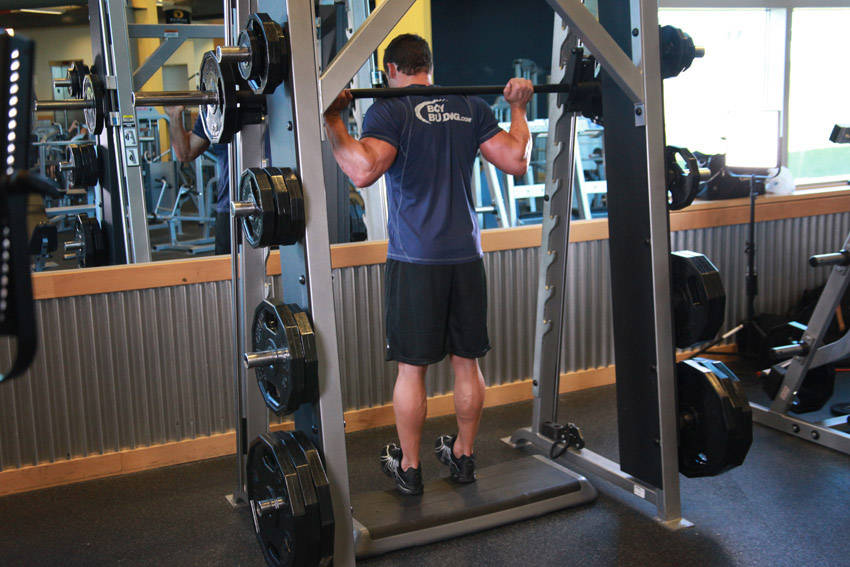
Smith Machine Reverse Calf Raises
Adjust the barbell on the smith machine to fit your height and align a raised platform right under the bar. Stand on ...
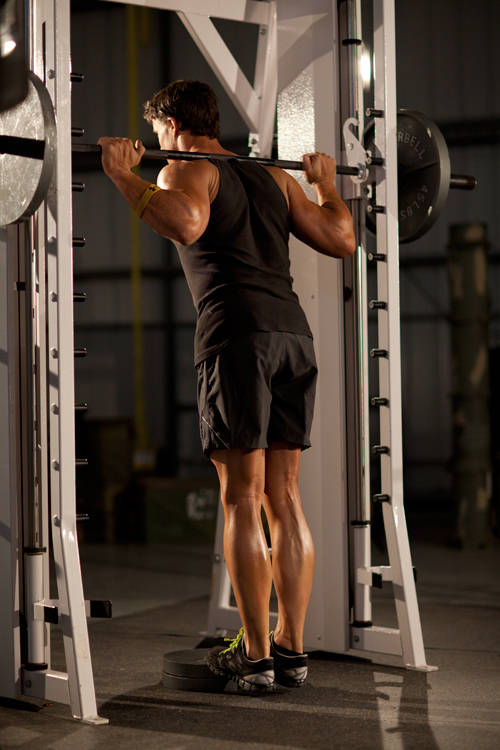
Smith Machine Calf Raise
Place a block or weight plate below the bar on the Smith machine. Set the bar to a position that best matches your he...
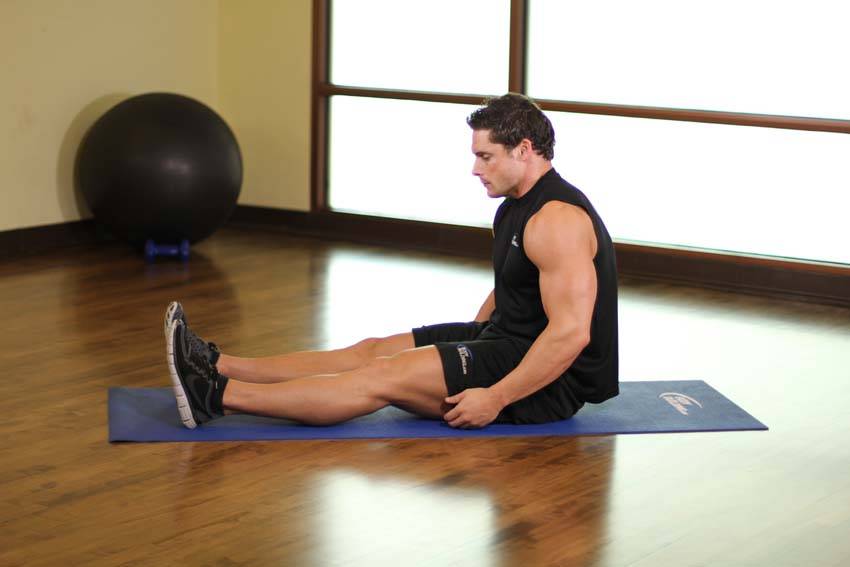
Seated Calf Stretch
Sit up straight on an exercise mat. Bend one knee and put that foot on the floor to stabilize the torso. Straighten y...
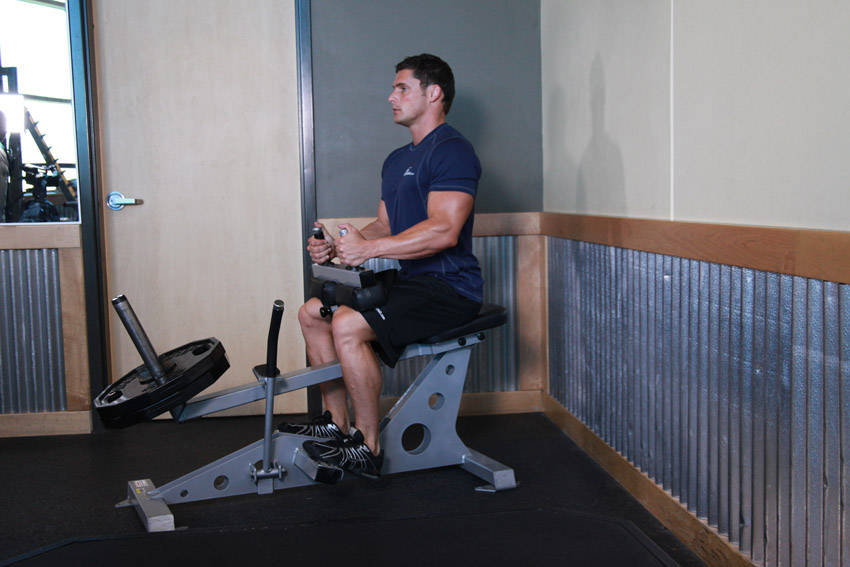
Seated Calf Raise
Sit on the machine and place your toes on the lower portion of the platform provided with the heels extending off. Ch...
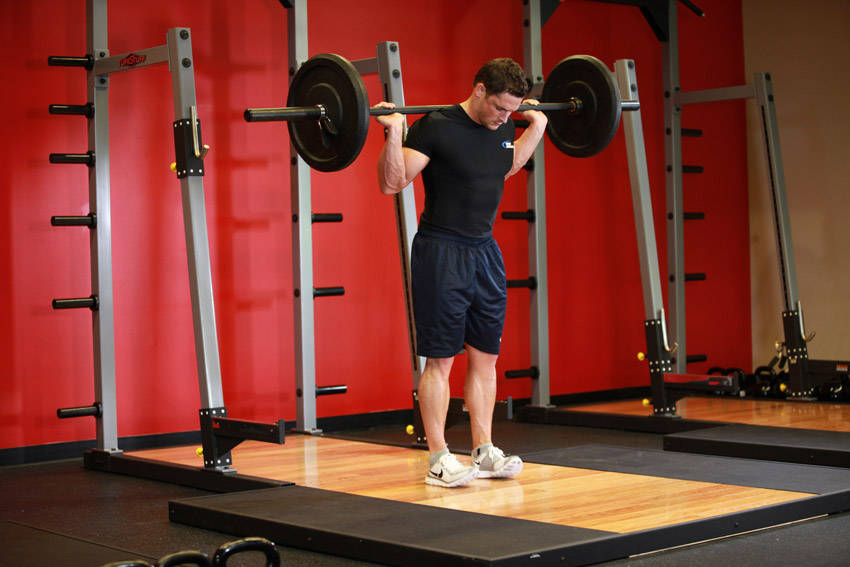
Rocking Standing Calf Raise
This exercise is best performed inside a squat rack for safety purposes. To begin, first set the bar on a rack that b...

How to Train Calves Effectively
The calf muscles play a major role in walking, running, jumping, and maintaining balance. They control ankle movement and help absorb impact during lower-body activity. Weak calves can lead to reduced performance, ankle instability, and increased risk of injury, especially during high-impact or endurance-based training.
To train calves effectively, focus on both strength and endurance. Use a full range of motion by lowering the heel under control and fully extending at the top of each repetition. Calves respond well to higher training frequency, moderate-to-high repetitions, and consistent progression over time.
A balanced calves workout often includes:
- Standing movements: standing calf raises, machine calf raises
- Seated movements: seated calf raises to target deeper calf muscles
- Single-leg work: single-leg calf raises for balance and symmetry
Form Tips for Calf Training
- Use slow, controlled reps—avoid bouncing at the bottom.
- Pause briefly at the top to fully engage the calves.
- Train both straight-leg and bent-knee variations.
- Stretch calves regularly to maintain mobility and range of motion.
Common Questions
How often should calves be trained?
Calves can be trained 2–4 times per week due to their endurance-oriented muscle fibers and daily use.
Why are calves hard to grow?
Calves are heavily used in daily movement, so they often require higher volume, consistent loading, and patience to stimulate growth.