
Abductors Exercises
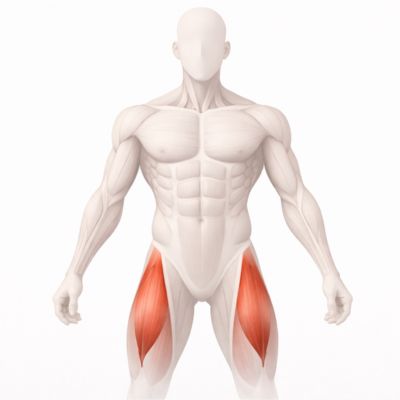 Abductors exercises play an important role in hip stability, balance, and injury prevention. These muscles support lateral movement, posture, and control during walking, running, and lower-body training.
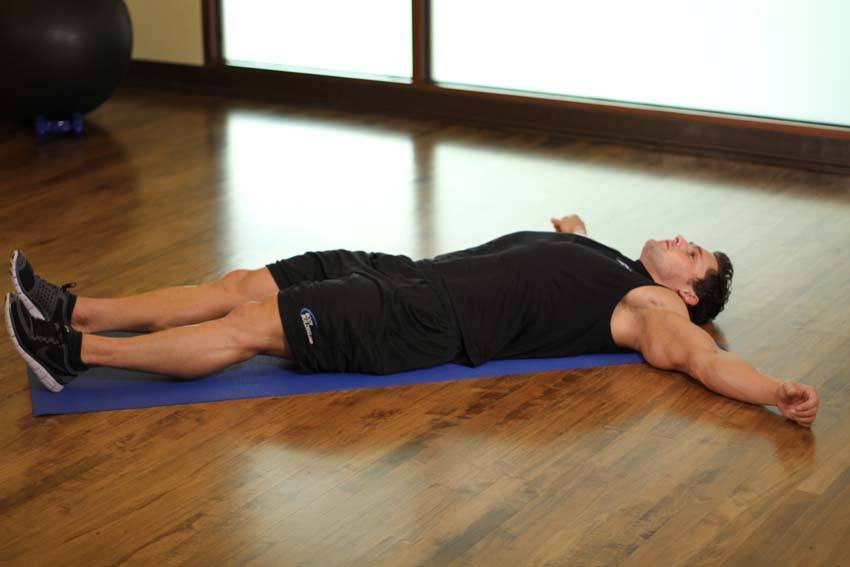
Windmills
Lie on your back with your arms extended out to the sides and your legs straight. This will be your starting position...
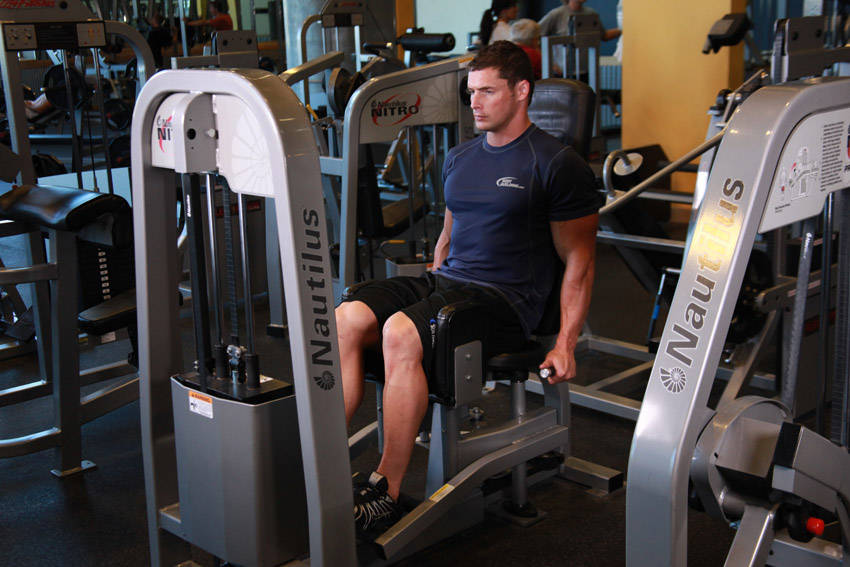
Thigh Abductor
To begin, sit down on the abductor machine and select a weight you are comfortable with. When your legs are positione...
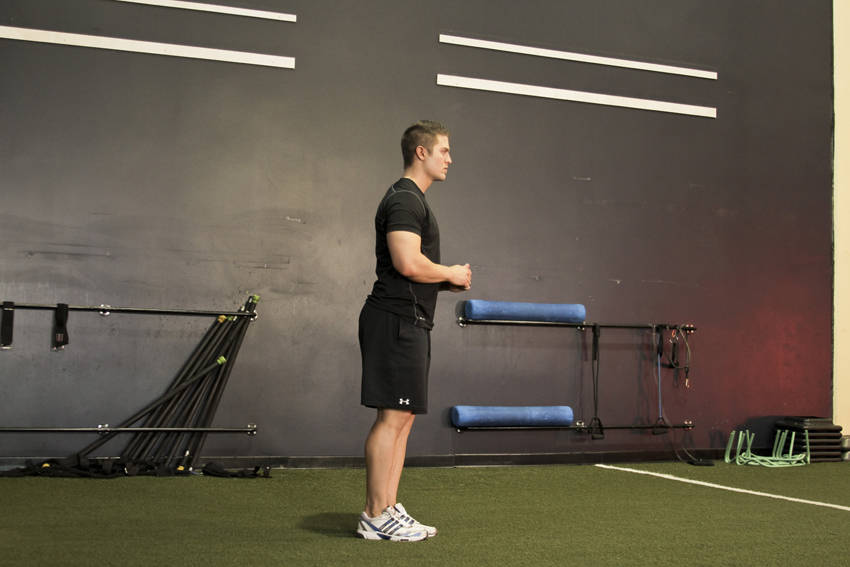
Standing Hip Circles
Begin standing on one leg, holding to a vertical support. Raise the unsupported knee to 90 degrees. This will be your...
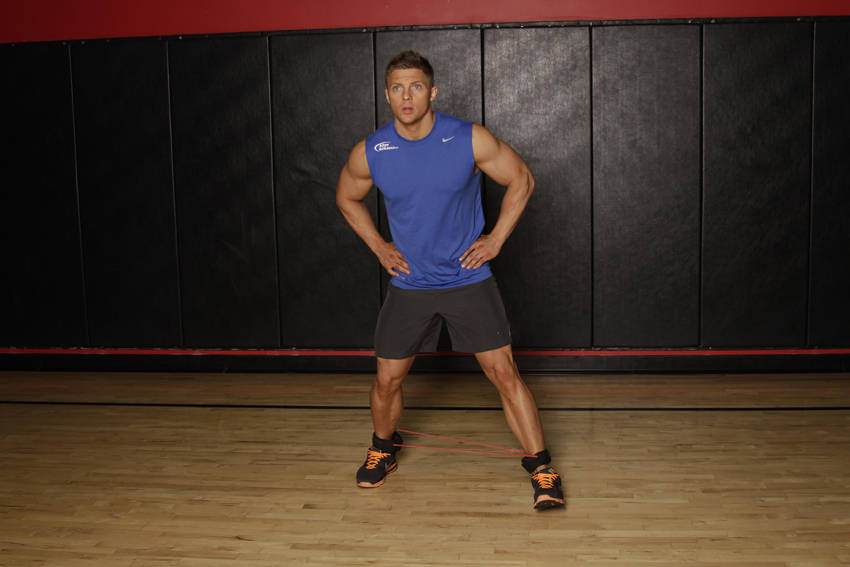
Monster Walk
Place a band around both ankles and another around both knees. There should be enough tension that they are tight whe...
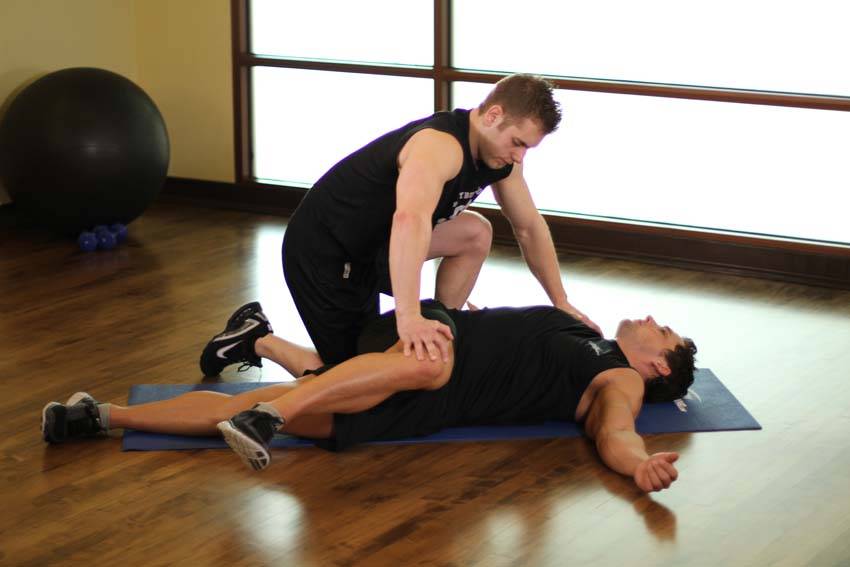
Lying Crossover
Lie on your back with your legs extended. Cross one leg over your body with the knee bent, attempting to touch the kn...
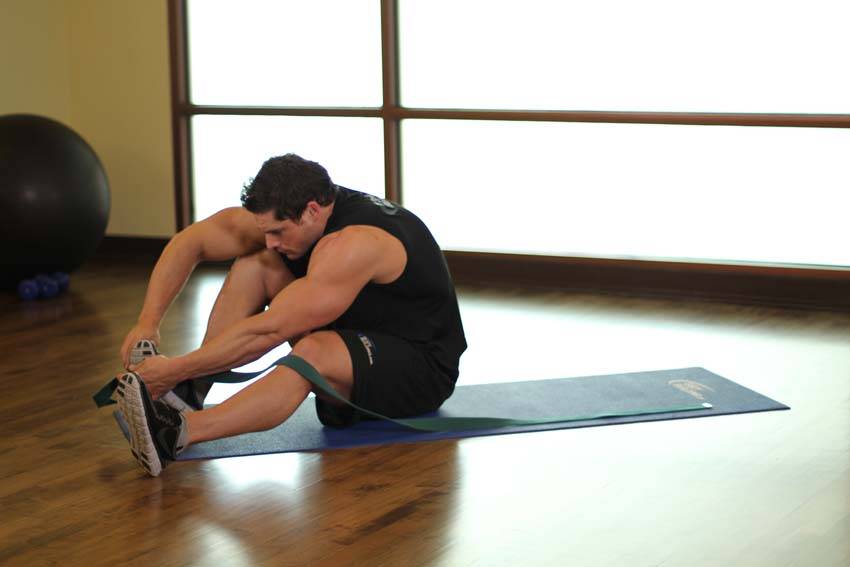
IT Band and Glute Stretch
Loop a belt, rope, or band around one of your feet, and swing that leg across your body to the opposite side, keeping...

Iliotibial Tract-SMR
Lay on your side, with the bottom leg placed onto a foam roller between the hip and the knee. The other leg can be cr...
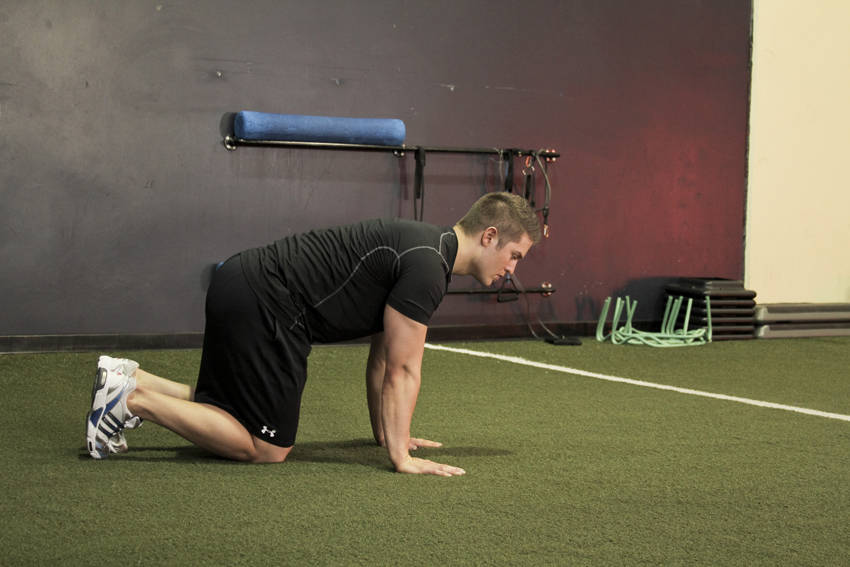
Hip Circles (prone)
Position yourself on your hands and knees on the ground. Maintaining good posture, raise one bent knee off of the gro...
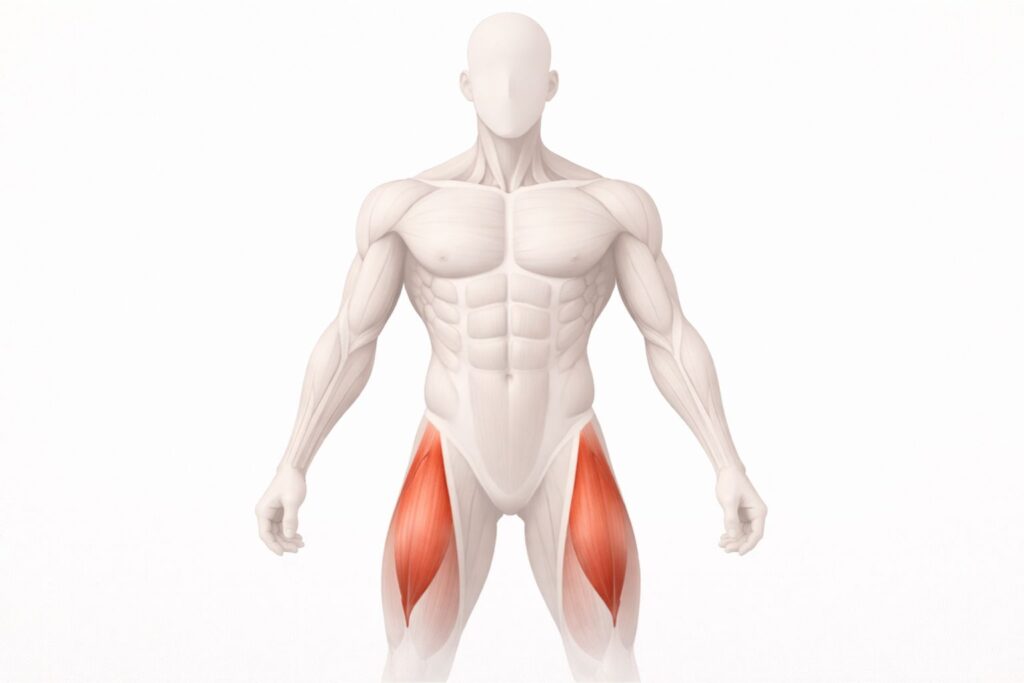
How to Train Abductors Effectively
The abductors are the outer-hip muscles that help keep your pelvis stable and your knees tracking properly during lower-body movement. When these muscles are weak, you may notice poor balance, hip discomfort, knee cave (valgus) during squats, or instability during walking and running. Adding focused abductors exercises can improve strength, control, and alignment across the entire lower body.
For the best results, train abductors 2–3 times per week using a mix of controlled strength work and higher-rep activation. Start with lighter resistance and perfect form—especially on banded and cable movements—then gradually increase resistance over time. Keep your core engaged, move slowly through the range of motion, and avoid swinging your leg or using momentum. You should feel the work on the outer hip, not in your lower back.
A balanced abductors routine usually includes:
- Activation: band lateral walks, standing abductions, side-lying raises
- Strength: cable hip abduction, machine hip abduction, loaded lateral steps
- Stability: single-leg patterns like step-ups, split squats, and lateral lunges
Form Tips for Safer Outer-Hip Training
- Keep your pelvis level—avoid leaning or rotating your torso.
- Control the eccentric (lowering phase) to build real strength.
- Use a full, comfortable range of motion without pain or pinching.
- Train both sides equally and focus on symmetry.
Common Questions
Are abductors the same as glutes?
They work together, but abductors specifically control lateral movement and hip stability. Many glute exercises also train abductors, but isolation work helps address weak points.
How long does it take to feel stronger?
Most people notice better balance and control in 2–4 weeks with consistent training, especially if they combine abductors work with single-leg movements.