
Abdominals Exercises
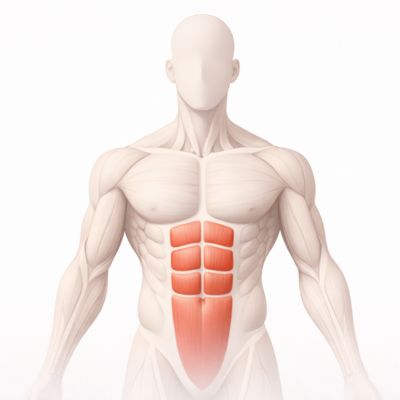
Abdominals exercises help you build a stronger core for better posture, stability, and full-body performance. On this page, you’ll find a complete list of abdominals exercises—from beginner-friendly movements to more advanced core training. Use these exercises to improve endurance, control, and balanced strength.
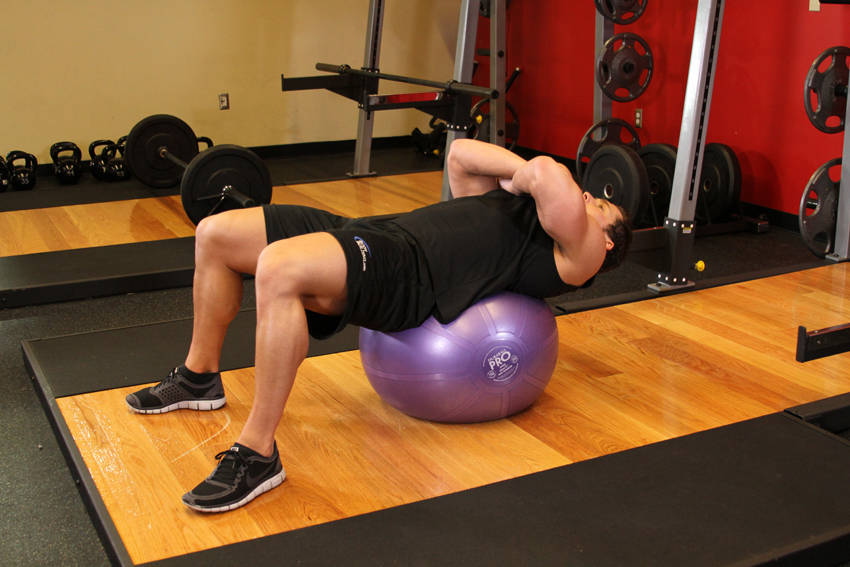
Exercise Ball Crunch
Lie on an exercise ball with your lower back curvature pressed against the spherical surface of the ball. Your feet s...

Elbow to Knee
Lie on the floor, crossing your right leg across your bent left knee. Clasp your hands behind your head, beginning wi...
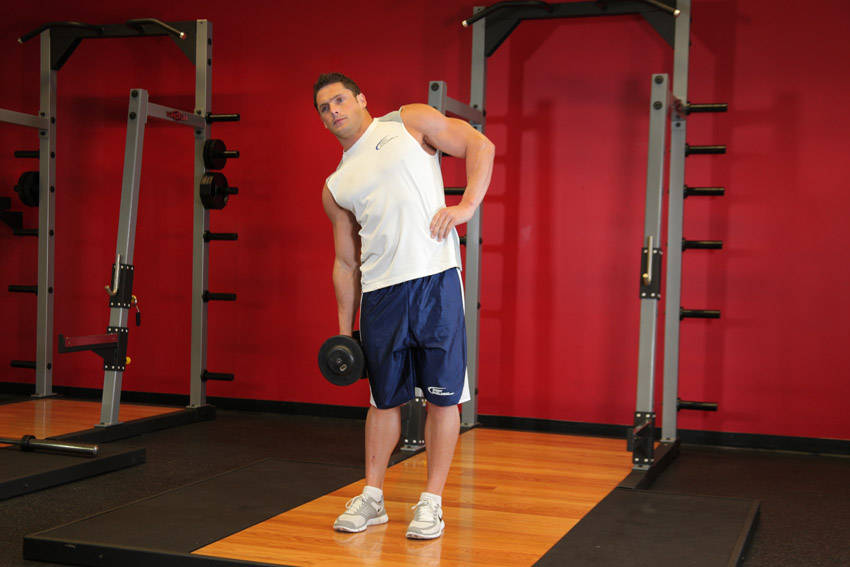
Dumbbell Side Bend
Stand up straight while holding a dumbbell on the left hand (palms facing the torso) as you have the right hand holdi...
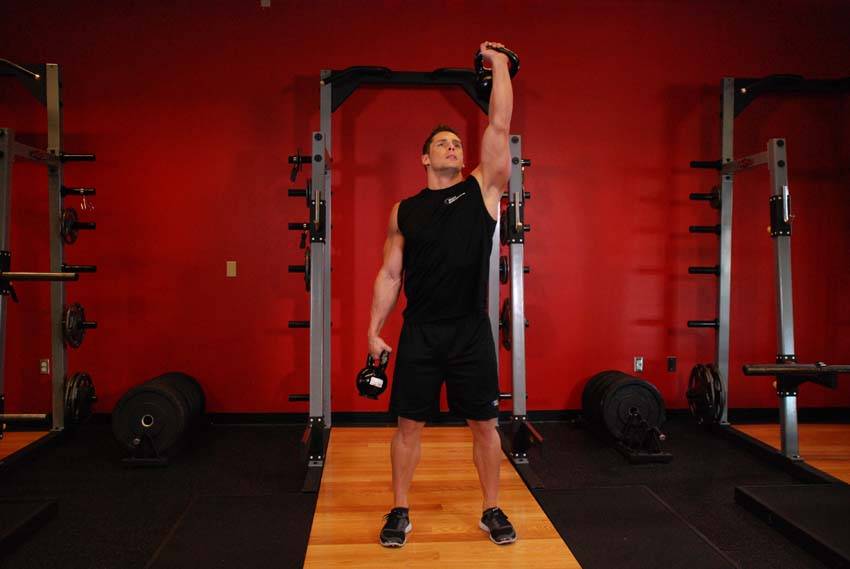
Double Kettlebell Windmill
Place a kettlebell in front of your front foot and clean and press a kettlebell overhead with your opposite arm. Clea...
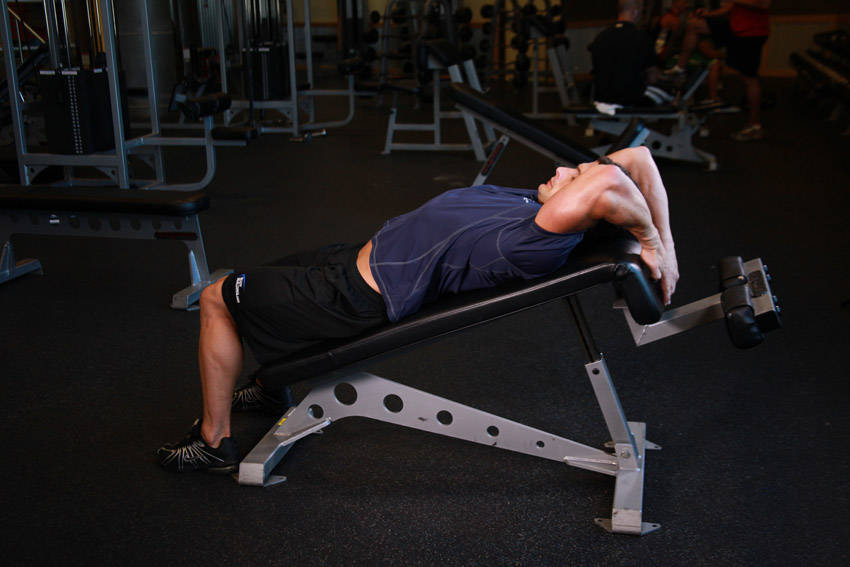
Decline Reverse Crunch
Lie on your back on a decline bench and hold on to the top of the bench with both hands. Don't let your body slip dow...
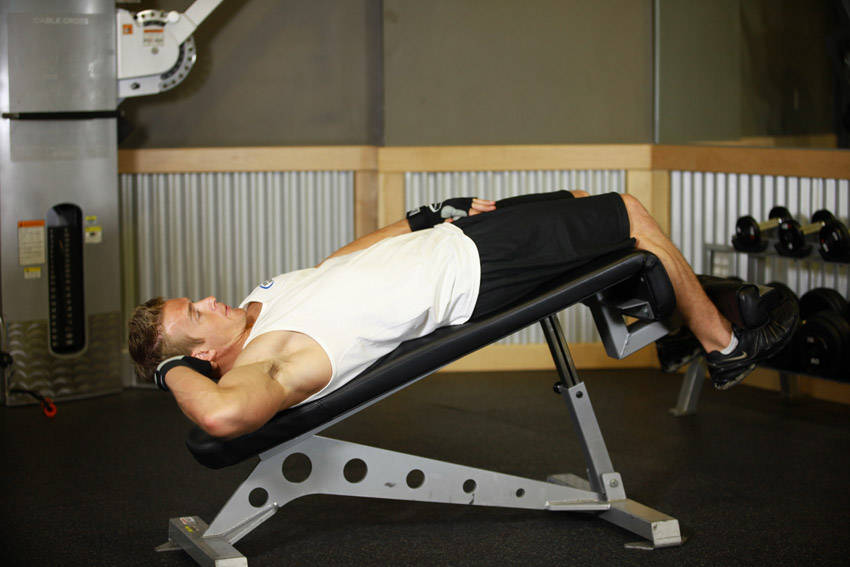
Decline Oblique Crunch
Secure your legs at the end of the decline bench and slowly lay down on the bench. Raise your upper body off the benc...
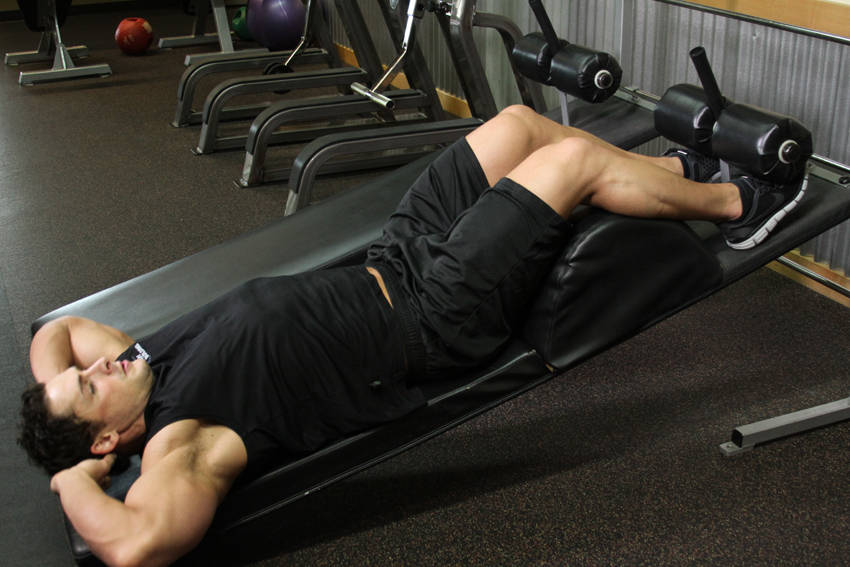
Decline Crunch
Secure your legs at the end of the decline bench and lie down. Now place your hands lightly on either side of your he...
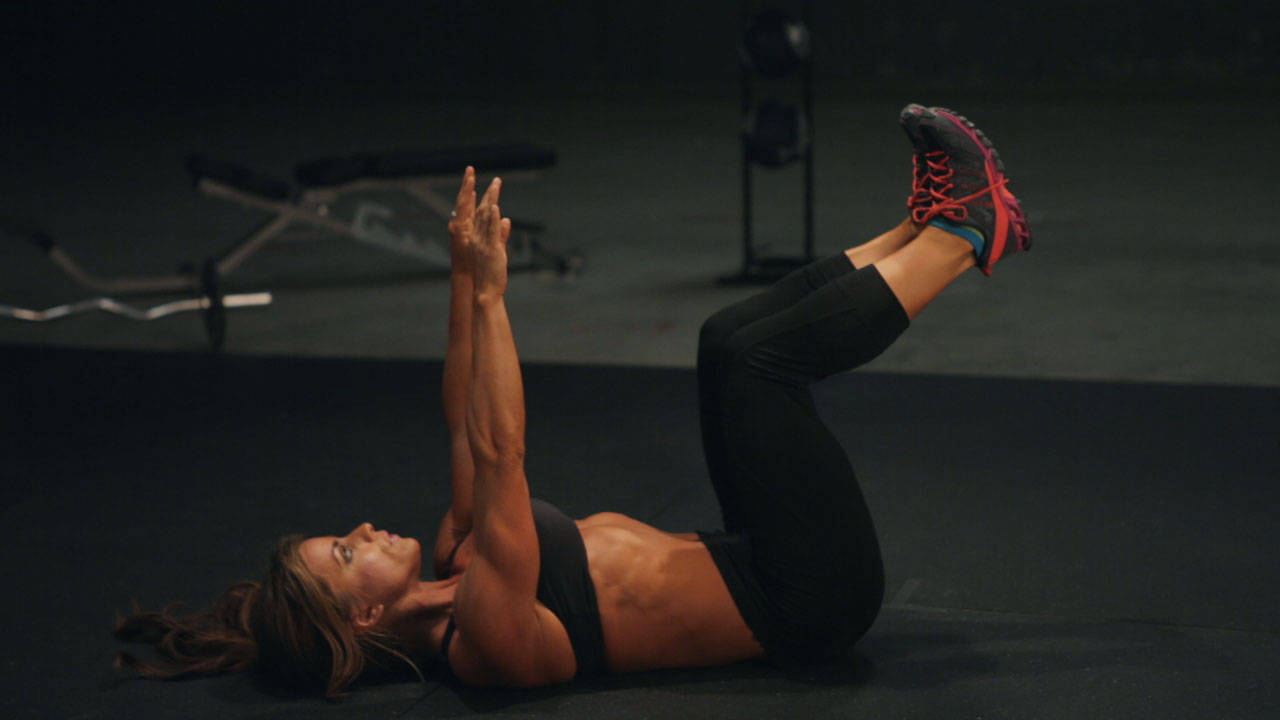
Dead Bug
Begin lying on your back with your hands extended above you toward the ceiling. Bring your feet, knees, and hips up t...
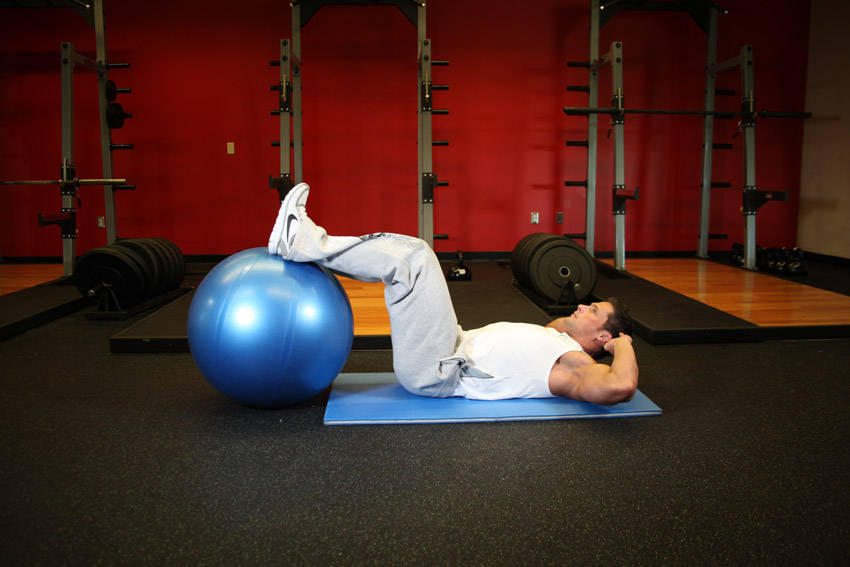
Crunch - Legs On Exercise Ball
Lie flat on your back with your feet resting on an exercise ball and your knees bent at a 90 degree angle. Place your...
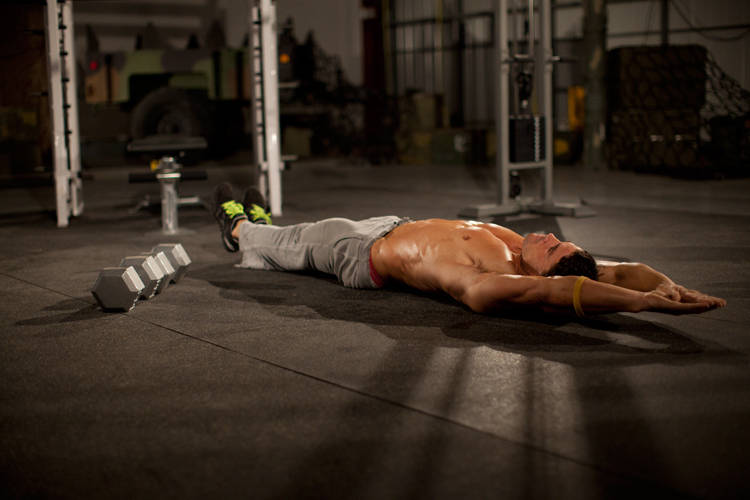
Cocoons
Begin by lying on your back on the ground. Your legs should be straight and your arms extended behind your head. This...
Why Abdominals Exercises Matter
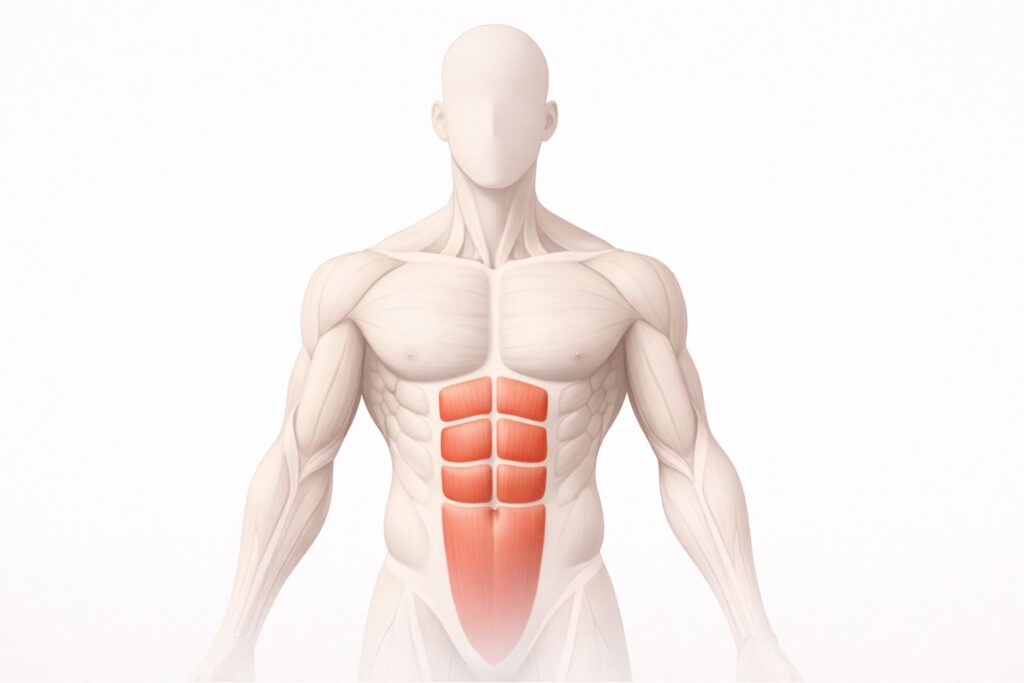
Abdominals exercises are essential for building a strong, stable core that supports posture, movement control, and long-term back health. Your abdominals help stabilize the spine and transfer force between the upper and lower body, which is important for everyday activities and almost every strength-training movement. A well-trained core can improve balance, reduce unnecessary strain on the lower back, and help you move more efficiently in both workouts and daily life.
While many people train abs for definition, the bigger benefit is function: stronger abdominals can support better technique in squats, deadlifts, overhead presses, rows, and athletic movements that require bracing and trunk control. That is why consistent core training belongs in any balanced program.
How to Train Abdominals Effectively
The best results come from combining different types of abdominals exercises. Some movements focus on controlled spinal flexion, while others build stability by resisting unwanted motion (anti-extension, anti-rotation, and anti-lateral flexion). Training a variety of patterns helps create a stronger, more complete core.
- Use strict form: move slowly, avoid momentum, and keep tension on the abs instead of the hip flexors.
- Brace and breathe: maintain core pressure while breathing under control—don’t hold your breath for every rep.
- Progress gradually: add reps, increase time under tension, slow the tempo, or add resistance as you get stronger.
- Train 2–4 times per week: moderate volume with consistency usually works better than occasional high-volume ab days.
To keep ab training joint-friendly, avoid pulling on the neck during crunch-style movements and focus on controlled contractions. If you feel the work mostly in your hips or lower back, reduce the range of motion and tighten your bracing technique.
Building a Balanced Core Program
For best overall results, pair abdominals exercises with balanced full-body training and include movements that support the lower back and hips. A strong core is not only about the front of the torso—it’s about stability and coordination across the entire trunk. Use the exercise list above to find options that match your fitness level, available equipment, and training goal (strength, endurance, or definition).
With consistent practice and good technique, abdominals training can improve performance, reduce injury risk, and build a more stable foundation for everything you do in the gym.