
Behind Head Chest Stretch Exercise
Builds strength and control by improving stability, coordination, and efficient movement.

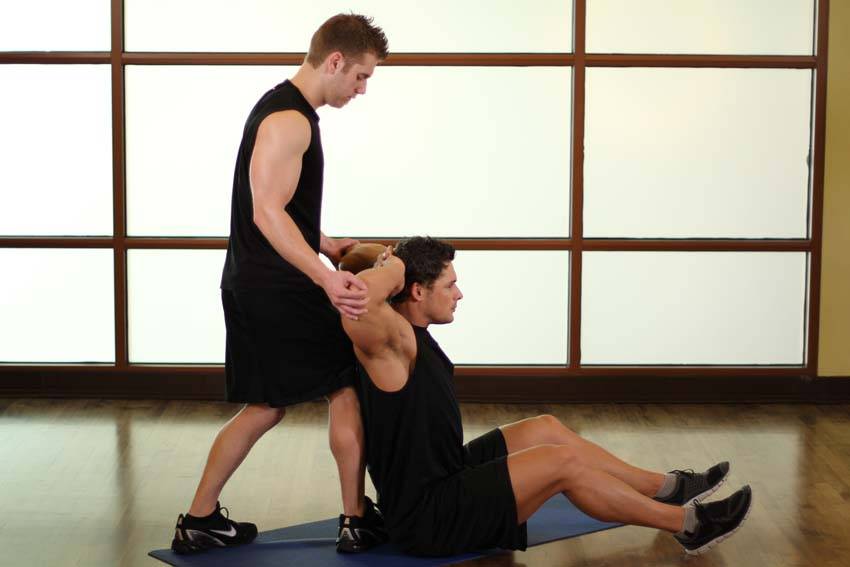
Description
Behind head chest stretch focuses on controlled movement and maintaining proper body alignment throughout the exercise. The goal is to create tension where needed while avoiding unnecessary strain or momentum. This helps improve movement quality, joint stability, and overall physical control.
Instructions:
- Sit upright on the floor with your partner behind you.
- Place your hands behind your hand, and push your elbows back as far as you can. Your partner should hold your elbows. This will be your starting position.
- Gently attempt to pull your elbows forward with your hands still behind your head for 10 or more seconds. Your partner should prevent your elbows from moving.
- Now, relax your muscles and have your partner gently pull the elbows back as far as it comfortable for you. Be sure to let your partner know when the stretch is adequate to prevent overstretching or injury.
Exercise FAQ
How intense should the stretch feel?
Mild to moderate tension is enough. Avoid sharp pain, numbness, or joint pressure—those are signs to back off.
What’s a common mistake with stretching?
Forcing range and holding your breath. Relax into the stretch with slow breathing and a position you can control.
What should I do if one side feels tighter?
Spend a bit more time on the tighter side, but keep both sides in the routine. The goal is balanced, comfortable range of motion.
Disclaimer
This content is for educational purposes only and does not replace professional medical or fitness advice. Consult a qualified healthcare provider before beginning any new exercise routine. Exercise safely and listen to your body.
Alternative exercises:
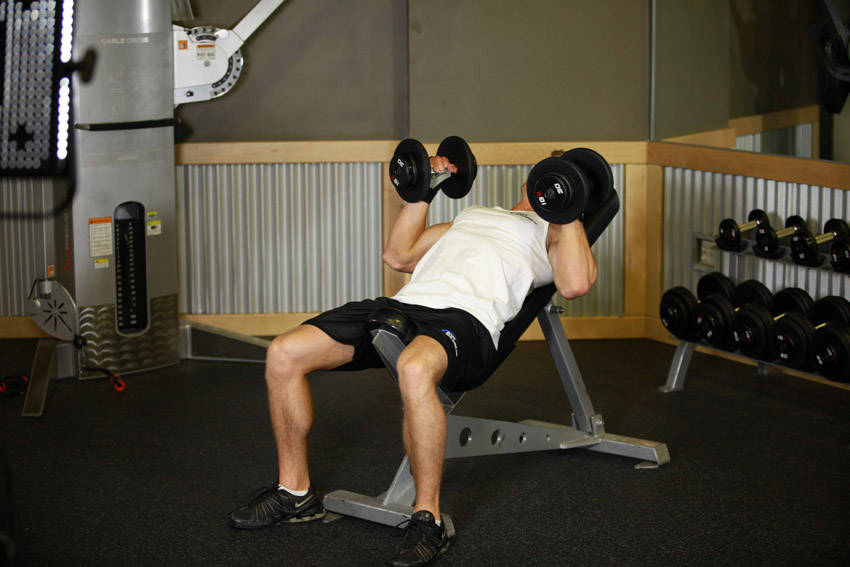
Hammer Grip Incline DB Bench Press
Lie back on an incline bench with a dumbbell on each hand on top of your thighs. The palms of your hand wil...
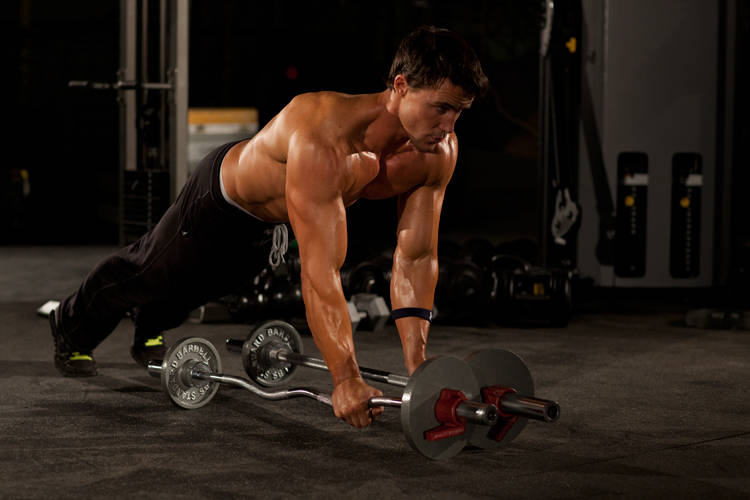
Bodyweight Flyes
Position two equally loaded EZ bars on the ground next to each other. Ensure they are able to roll. Assume ...
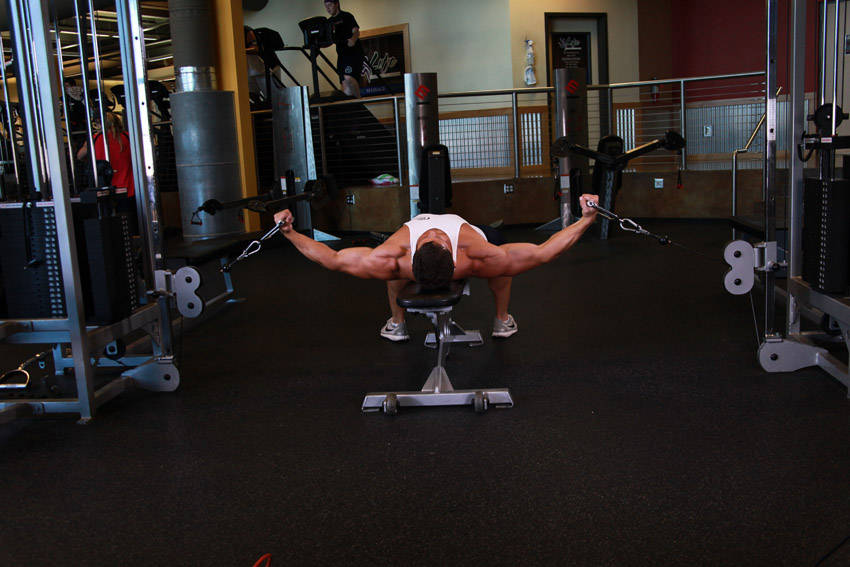
Flat Bench Cable Flyes
Position a flat bench between two low pulleys so that when you are laying on it, your chest will be lined u...