
Barbell Squat Exercise
Builds strength and control by improving stability, coordination, and efficient movement.
Description
Barbell squat focuses on controlled movement and maintaining proper body alignment throughout the exercise. The goal is to create tension where needed while avoiding unnecessary strain or momentum. This helps improve movement quality, joint stability, and overall physical control.
Instructions:
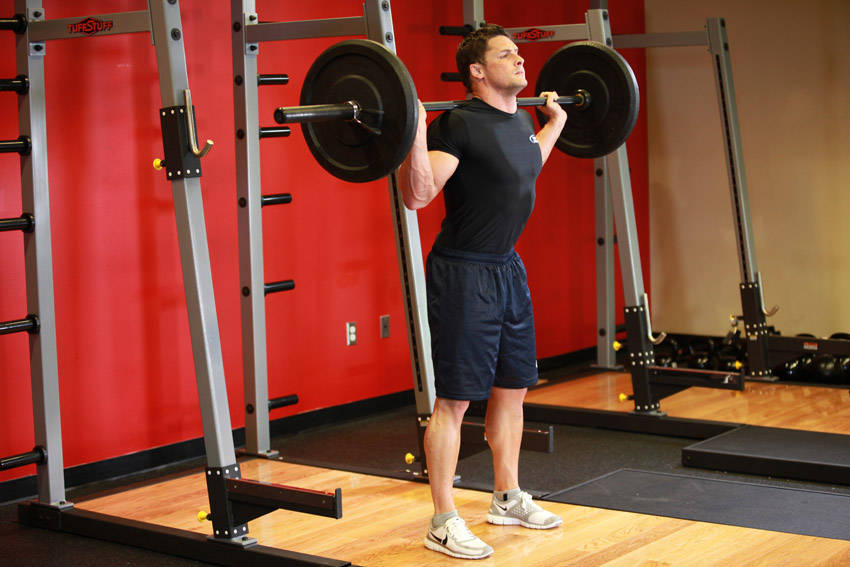
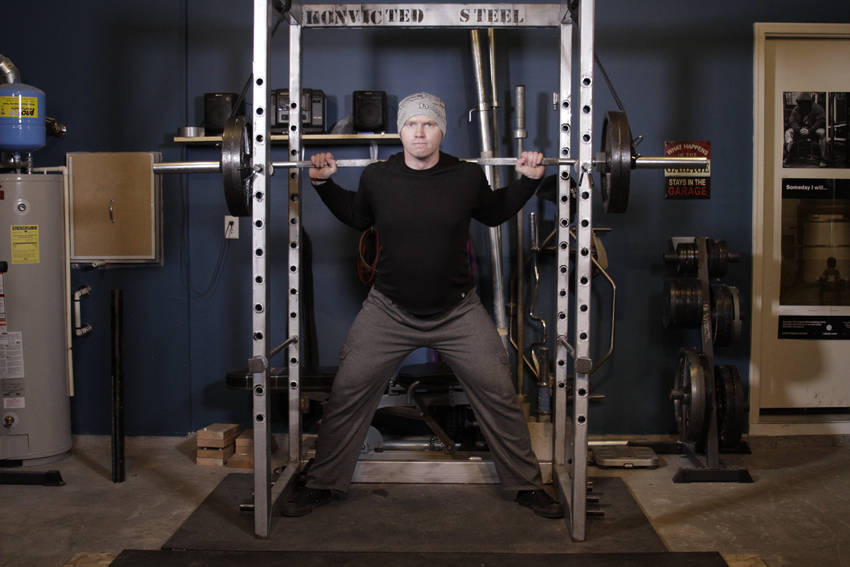
- This exercise is best performed inside a squat rack for safety purposes. To begin, first set the bar on a rack to just below shoulder level. Once the correct height is chosen and the bar is loaded, step under the bar and place the back of your shoulders (slightly below the neck) across it.
- Hold on to the bar using both arms at each side and lift it off the rack by first pushing with your legs and at the same time straightening your torso.
- Step away from the rack and position your legs using a shoulder width medium stance with the toes slightly pointed out. Keep your head up at all times and also maintain a straight back. This will be your starting position. (Note: For the purposes of this discussion we will use the medium stance described above which targets overall development; however you can choose any of the three stances discussed in the foot stances section).
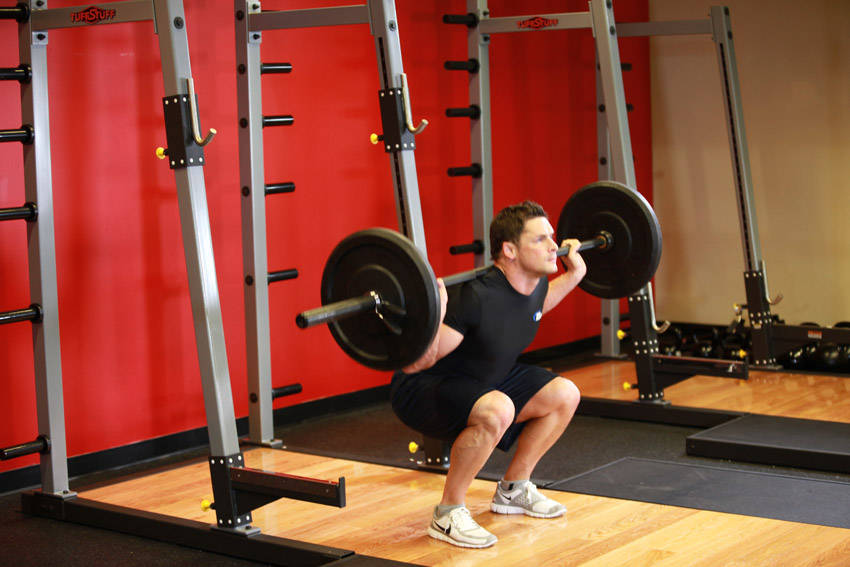
- Begin to slowly lower the bar by bending the knees and hips as you maintain a straight posture with the head up. Continue down until the angle between the upper leg and the calves becomes slightly less than 90-degrees. Inhale as you perform this portion of the movement. Tip: If you performed the exercise correctly, the front of the knees should make an imaginary straight line with the toes that is perpendicular to the front. If your knees are past that imaginary line (if they are past your toes) then you are placing undue stress on the knee and the exercise has been performed incorrectly.
- Begin to raise the bar as you exhale by pushing the floor with the heel of your foot as you straighten the legs again and go back to the starting position.
- Repeat for the recommended amount of repetitions.
Exercise FAQ
What’s the safest way to progress over time?
Add a small amount of reps first, then load. If technique slips, step back and rebuild with cleaner reps.
Does grip or stance matter?
Yes—small changes can shift what you feel and how stable you are. Pick the most controlled position and keep it consistent while you learn the movement. Think of it as squat pattern done with repeatable, clean reps.
How can I make this exercise harder without adding a lot of weight?
Slow down the lowering phase, add a brief pause in the hardest position, or increase total reps while keeping form crisp.
Disclaimer
This content is for educational purposes only and does not replace professional medical or fitness advice. Consult a qualified healthcare provider before beginning any new exercise routine. Exercise safely and listen to your body.
Alternative exercises:
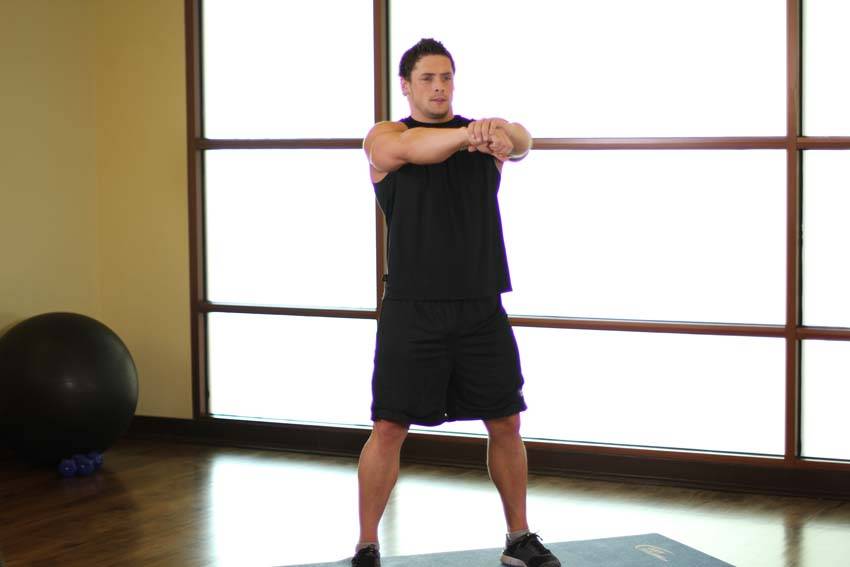
Sit Squats
Stand with your feet shoulder width apart. This will be your starting position. Begin the movement by flexi...
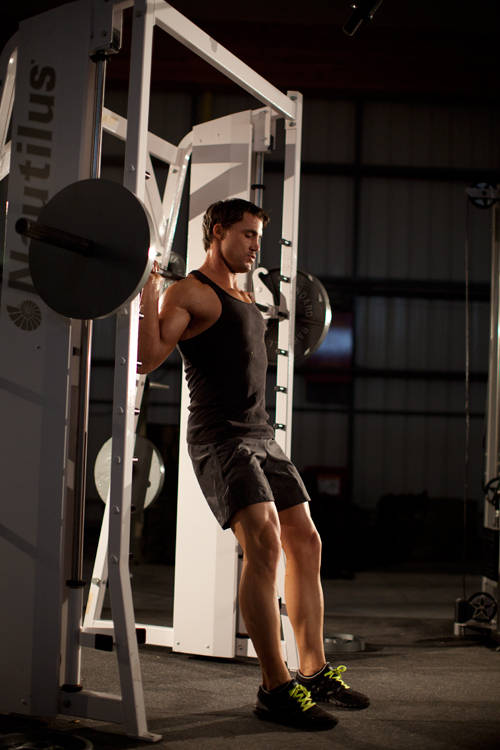
Chair Squat
To begin, first set the bar to a position that best matches your height. Once the bar is loaded, step under...
Reverse Band Power Squat
Begin in a power rack with the pins and bar set at the appropriate height. After loading the bar, attach ba...