
Neck Exercises
Neck exercises target the muscles responsible for head movement, posture, and spinal support. Strong neck muscles help reduce tension, improve alignment, and support healthy movement during work, training, and everyday life.
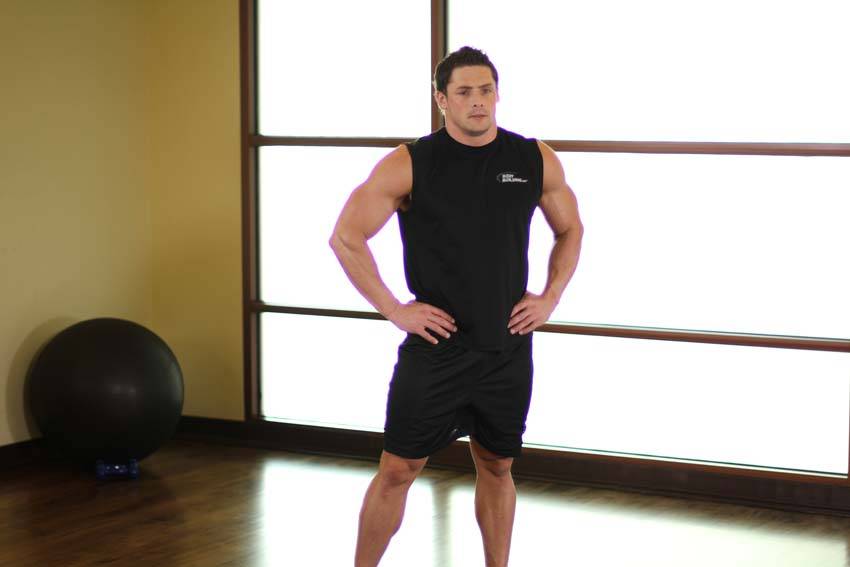
Side Neck Stretch
Start with your shoulders relaxed, gently tilt your head towards your shoulder. Assist stretch with a gentle pull on ...
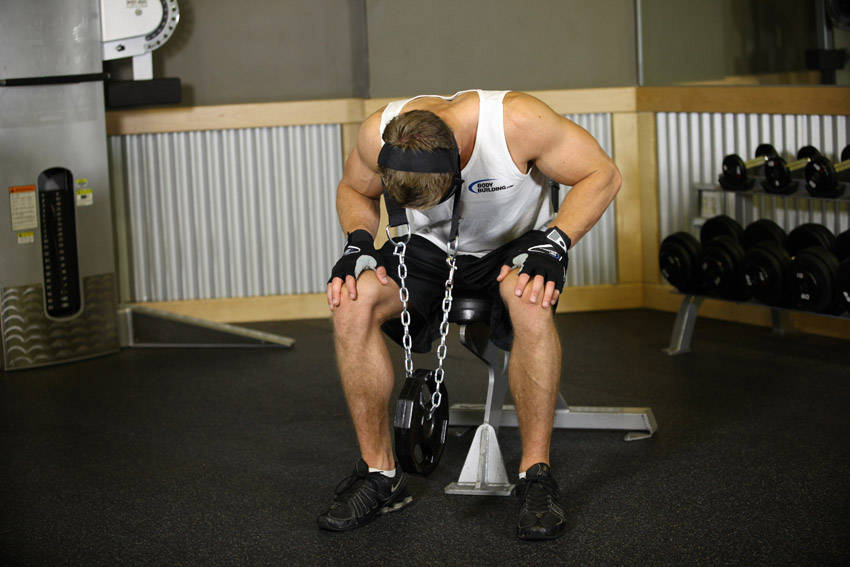
Seated Head Harness Neck Resistance
Place a neck strap on the floor at the end of a flat bench. Once you have selected the weights, sit at the end of the...
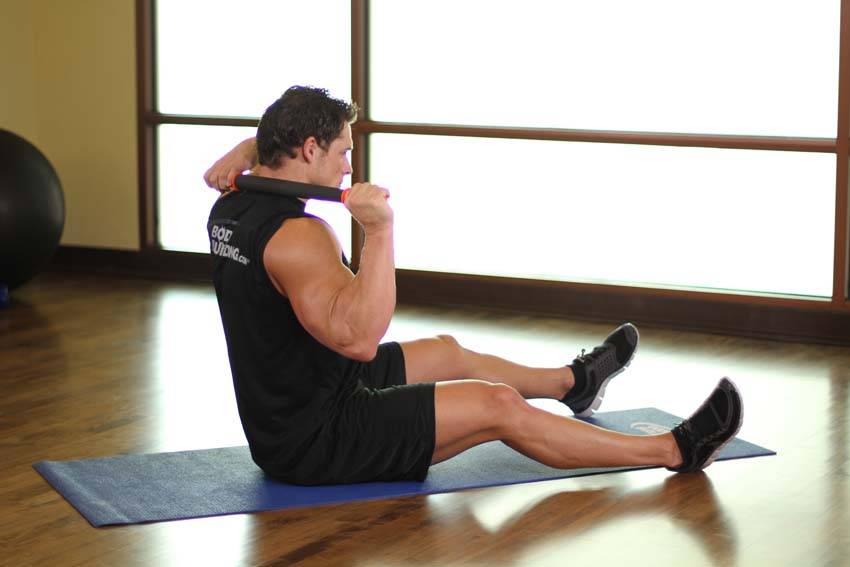
Neck-SMR
Using a muscle roller or a rolling pin, place the roller behind your head and against your neck. Make sure that you d...
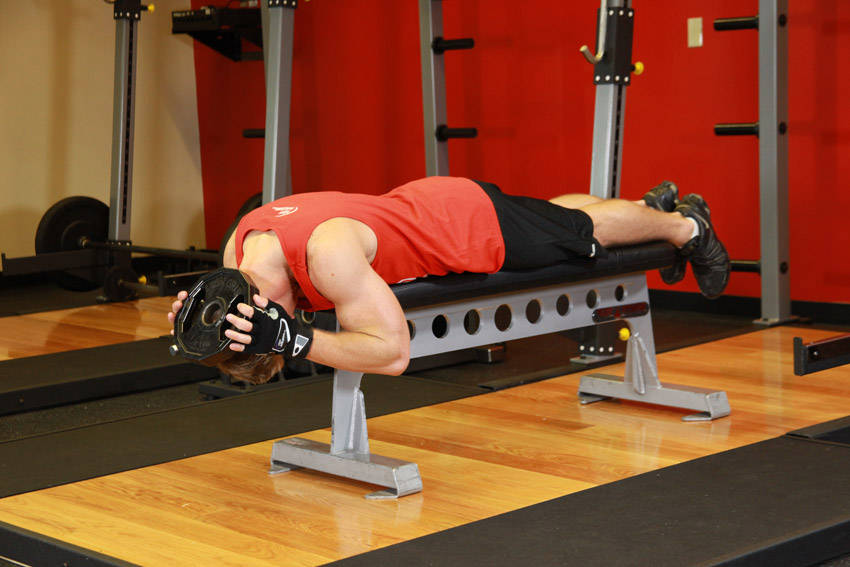
Lying Face Down Plate Neck Resistance
Lie face down with your whole body straight on a flat bench while holding a weight plate behind your head. Tip: You w...
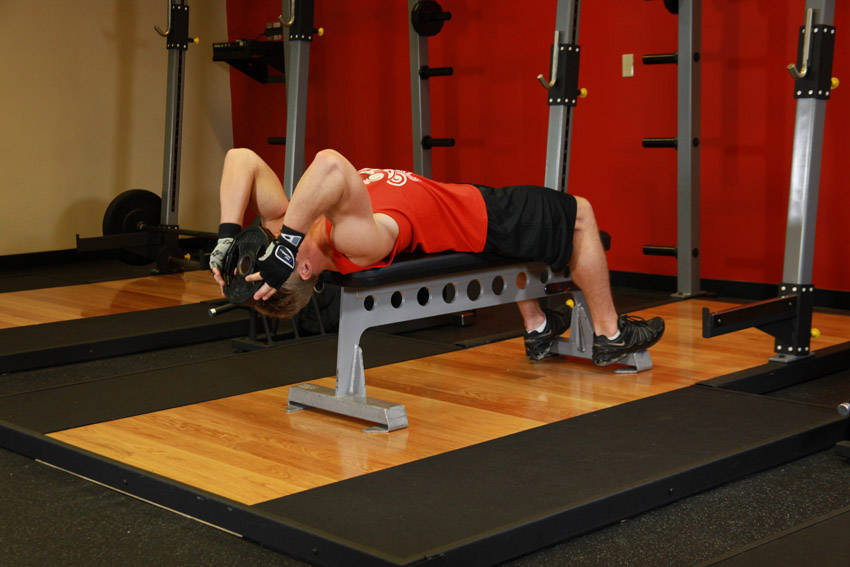
Lying Face Up Plate Neck Resistance
Lie face up with your whole body straight on a flat bench while holding a weight plate on top of your forehead. Tip: ...

Isometric Neck Exercise - Front And Back
With your head and neck in a neutral position (normal position with head erect facing forward), place both of your ha...

Isometric Neck Exercise - Sides
With your head and neck in a neutral position (normal position with head erect facing forward), place your left hand ...
Chin To Chest Stretch
Get into a seated position on the floor. Place both hands at the rear of your head, fingers interlocked, thumbs point...

How to Train the Neck Effectively
The neck muscles support the weight of the head and allow for controlled movement in multiple directions, including flexion, extension, rotation, and lateral bending. These muscles play an important role in posture, balance, and overall spinal health. Weak or tight neck muscles can contribute to discomfort, headaches, and reduced mobility.
To train the neck effectively, focus on slow, controlled movements and light resistance. Neck exercises should emphasize stability, mobility, and endurance rather than heavy loading. Proper form and gradual progression are essential to avoid strain and injury.
A balanced neck training routine often includes:
- Flexion and extension: chin tucks, gentle neck curls
- Lateral movements: side bends, isometric holds
- Rotation work: controlled head turns and holds
Form Tips for Neck Training
- Move slowly and avoid jerky motions.
- Keep resistance light and controlled.
- Stop immediately if you feel pain or dizziness.
- Maintain proper posture during all movements.
Common Questions
How often should neck exercises be performed?
Neck exercises can be performed 2–4 times per week, depending on comfort and recovery.
Are neck exercises safe?
Yes, when performed with proper form, light resistance, and controlled movement.