
Hamstrings Exercises
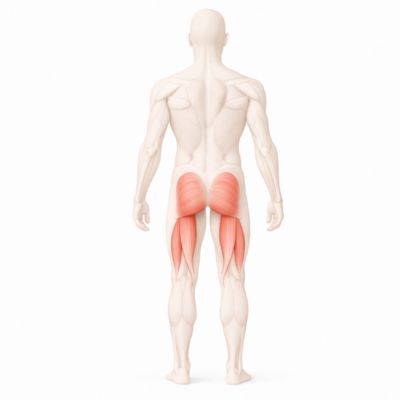 Hamstrings exercises target the muscles at the back of the upper legs that control hip extension and knee flexion. Strong hamstrings improve athletic performance, protect the knees and lower back, and support powerful, balanced lower-body movement.
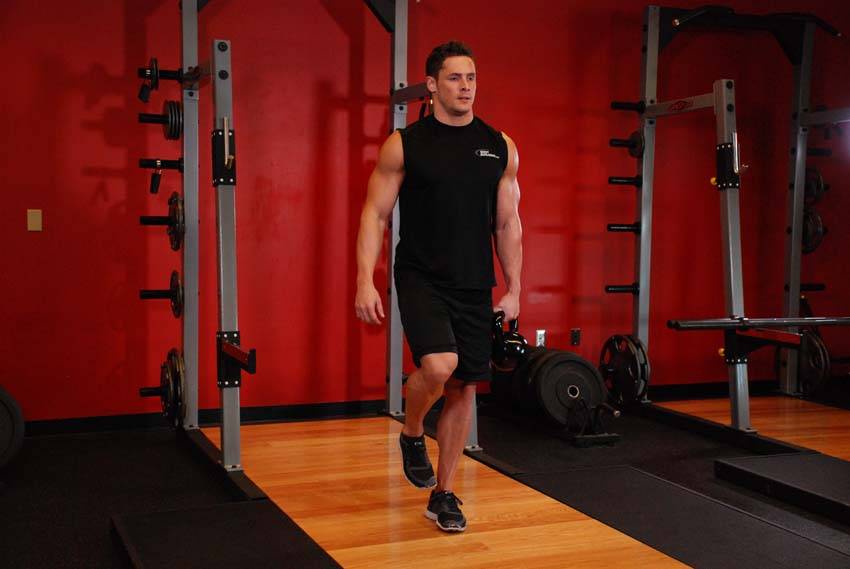
Kettlebell One-Legged Deadlift
Hold a kettlebell by the handle in one hand. Stand on one leg, on the same side that you hold the kettlebell. Keeping...
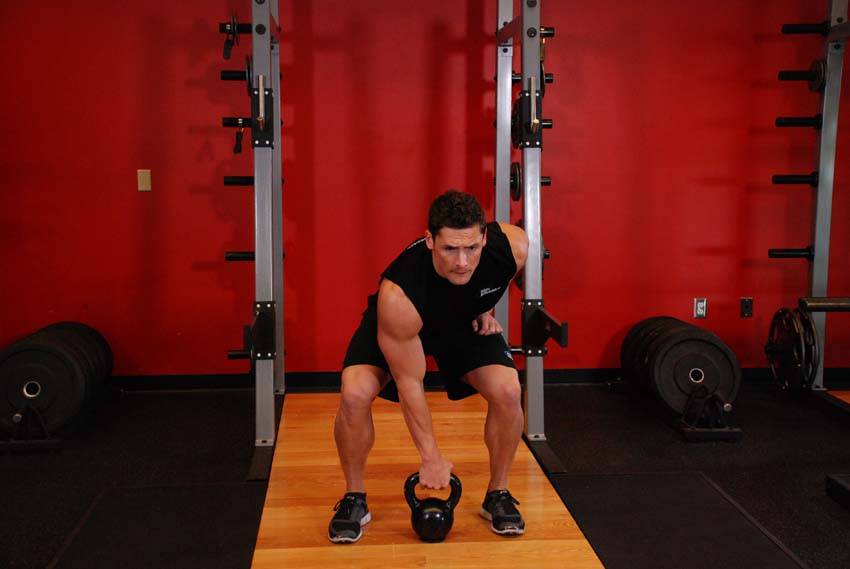
Kettlebell Dead Clean
Place kettlebell between your feet. To get in the starting position, push your butt back and look straight ahead. Cle...
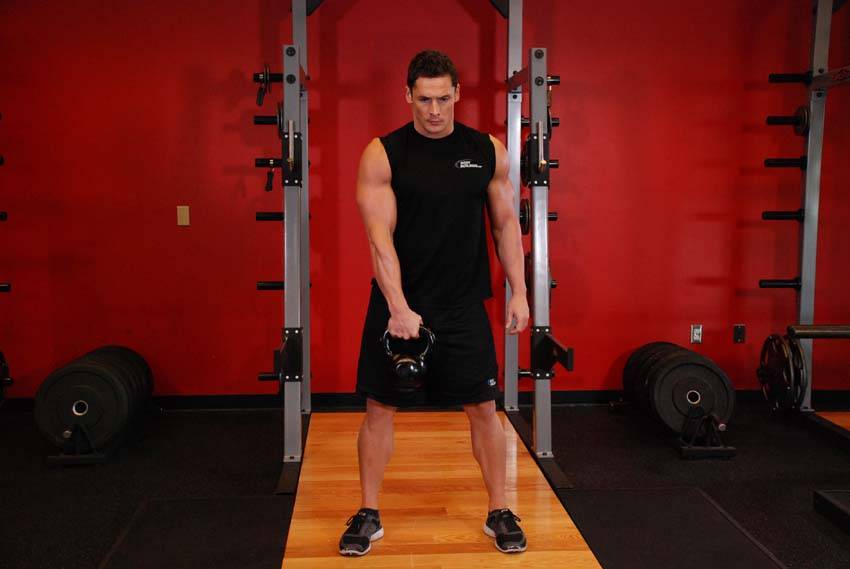
Kettlebell Hang Clean
Place kettlebell between your feet. To get in the starting position, push your butt back and look straight ahead. Cle...
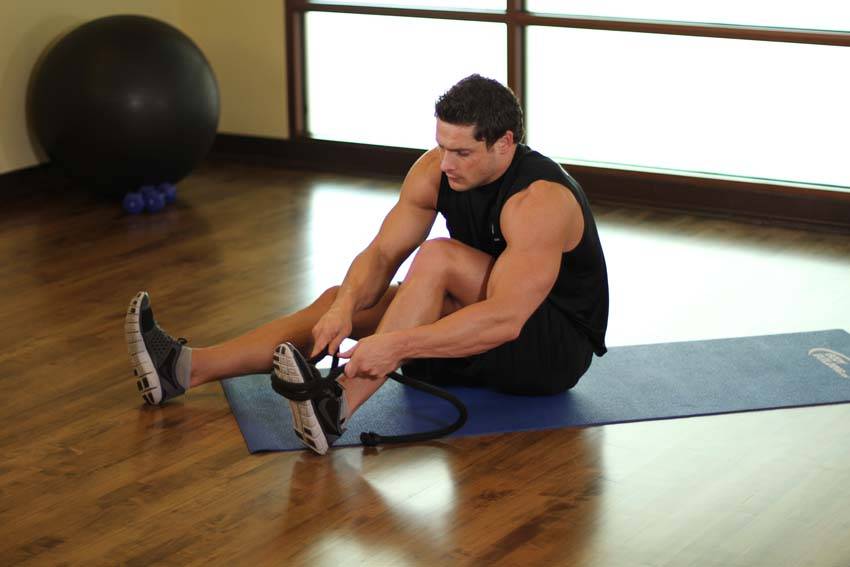
Intermediate Groin Stretch
Lie on your back with your legs extended. Loop a belt, rope, or band around one of your feet, and swing that leg as f...
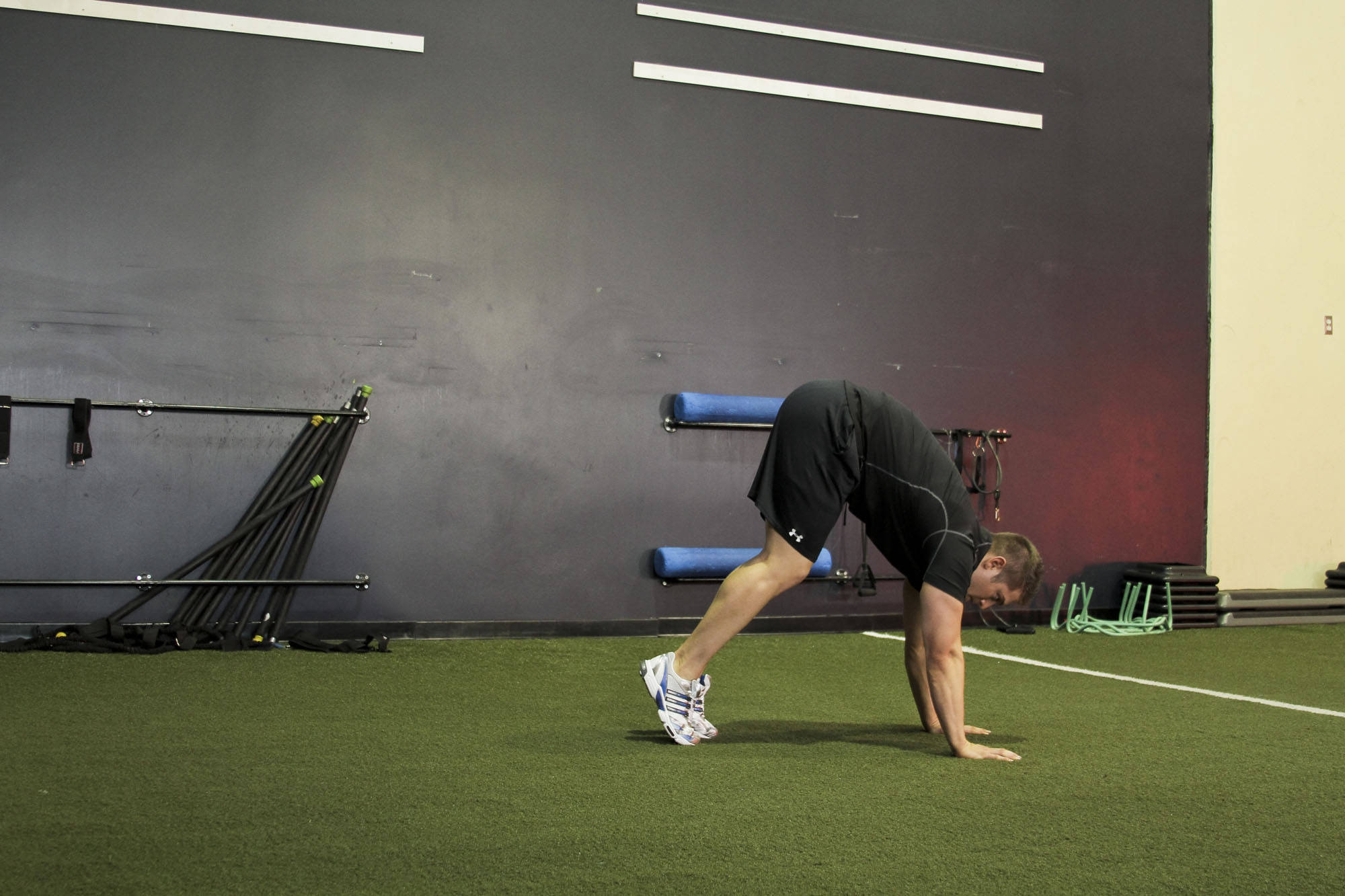
Inchworm
Stand with your feet close together. Keeping your legs straight, stretch down and put your hands on the floor directl...
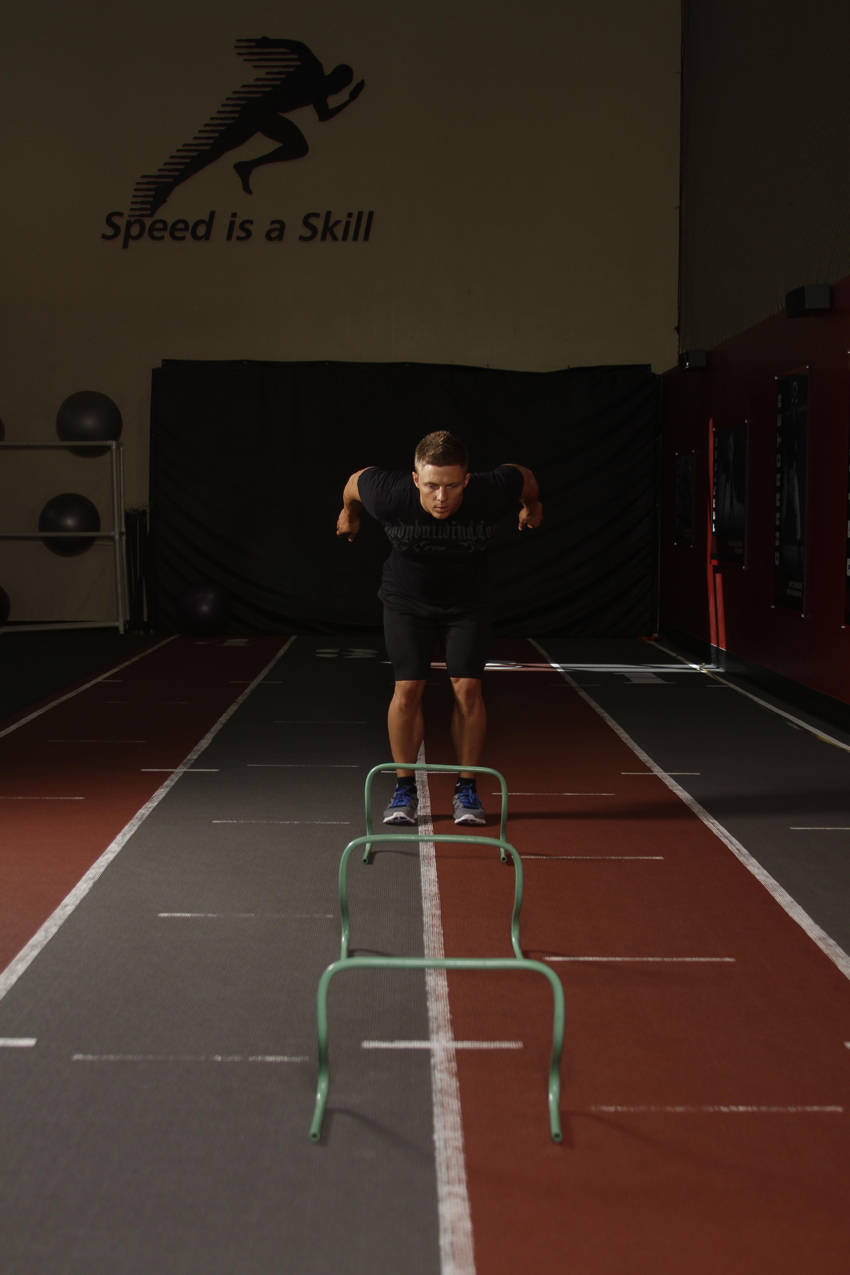
Hurdle Hops
Set up a row of hurdles or other small barriers, placing them a few feet apart. Stand in front of the first hurdle wi...
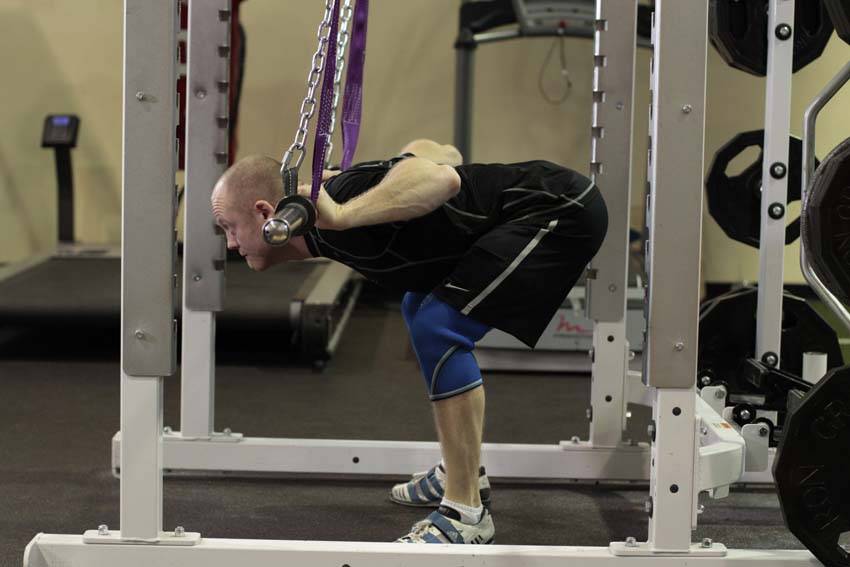
Hanging Bar Good Morning
Begin with a bar on a rack at about the same height as your stomach. Suspend the bar using chains or suspension strap...
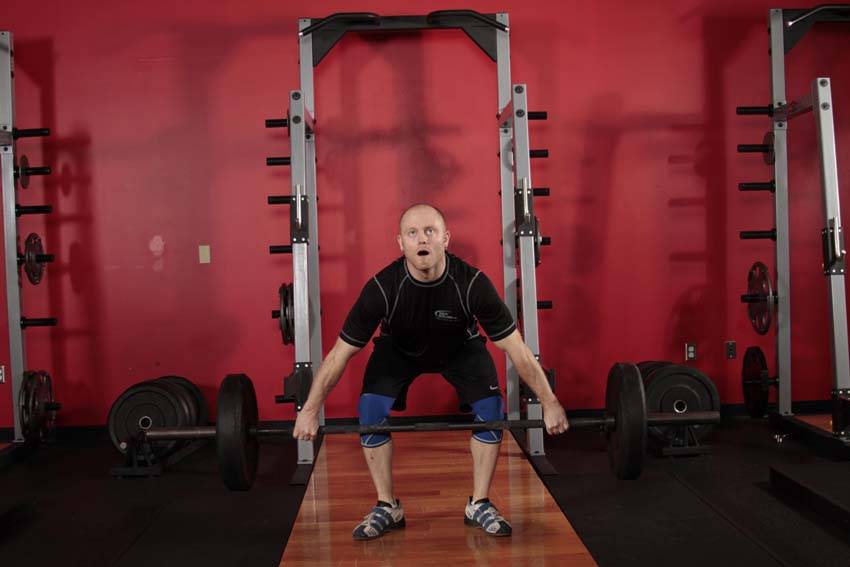
Hang Snatch - Below Knees
Begin with a wide grip on the bar, with an overhand or hook grip. The feet should be directly below the hips with the...
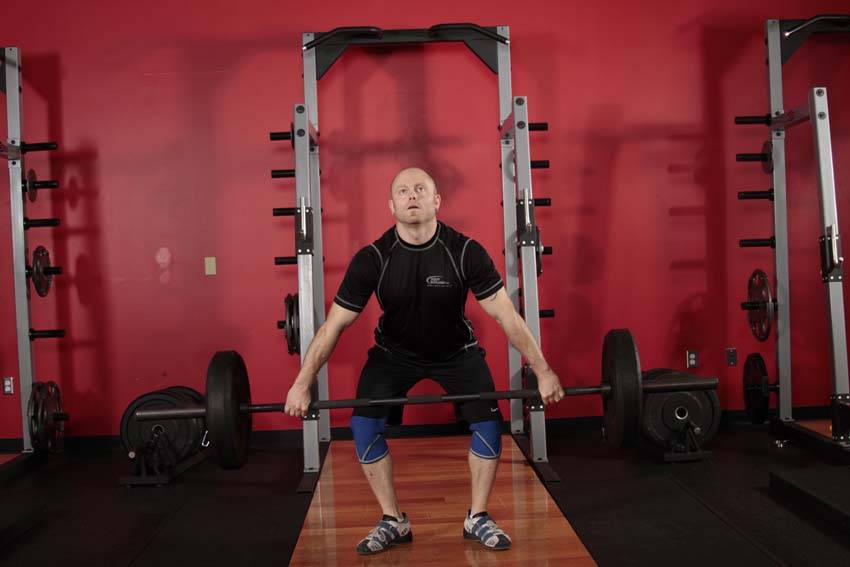
Hang Snatch
Begin with a wide grip on the bar, with an overhand or hook grip. The feet should be directly below the hips with the...
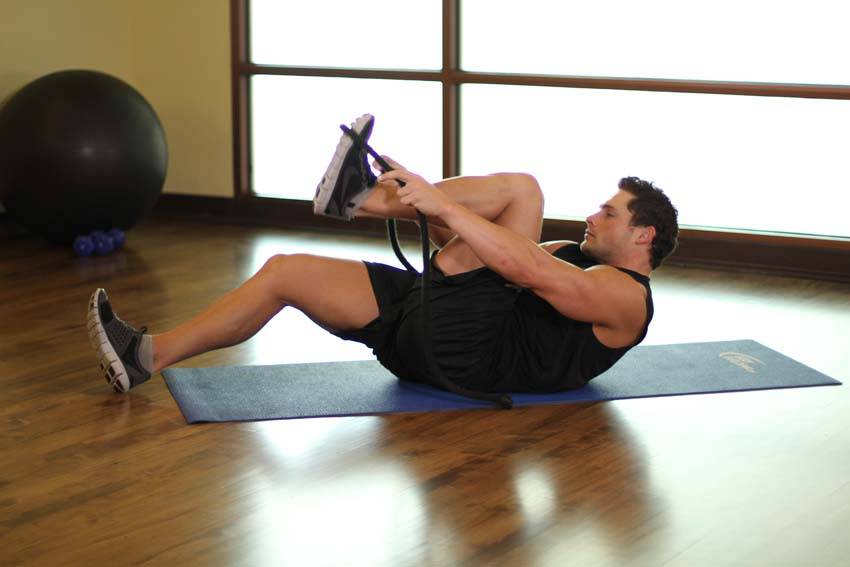
Hamstring Stretch
Lie on your back with one leg extended above you, with the hip at ninety degrees. Keep the other leg flat on the floo...
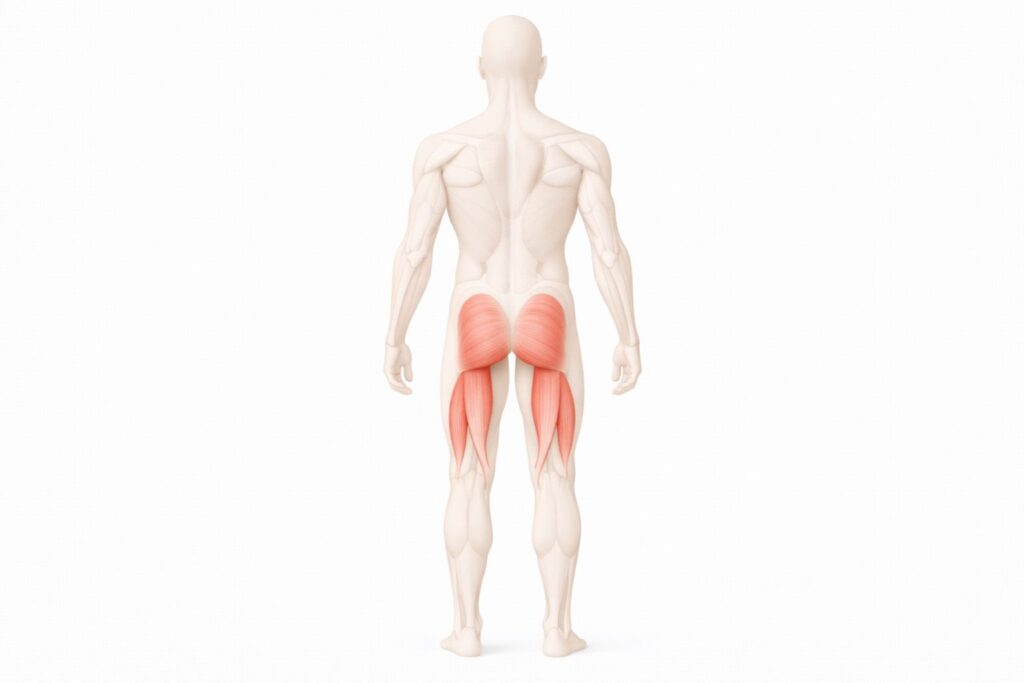
How to Train Hamstrings Effectively
The hamstrings are a group of muscles located on the back of the thighs that play a key role in hip extension, knee flexion, and lower-body stability. They are heavily involved in movements such as running, jumping, hinging, and lifting. Weak hamstrings can increase the risk of knee injuries, lower-back strain, and muscular imbalances.
To train hamstrings effectively, include both hip-dominant and knee-dominant exercises. Focus on slow, controlled repetitions and a full range of motion, especially during the eccentric (lowering) phase. Consistent progression and proper recovery are essential for building strength and resilience.
A balanced hamstrings workout often includes:
- Hip hinge movements: Romanian deadlifts, good mornings
- Knee flexion exercises: leg curls, stability ball curls
- Unilateral work: single-leg deadlifts, lunges
Form Tips for Hamstrings Training
- Maintain a neutral spine during hinge movements.
- Control the lowering phase to increase muscle engagement.
- Avoid rushing repetitions or using momentum.
- Train both legs evenly to prevent imbalances.
Common Questions
How often should hamstrings be trained?
Hamstrings can be t