
Hamstrings Exercises
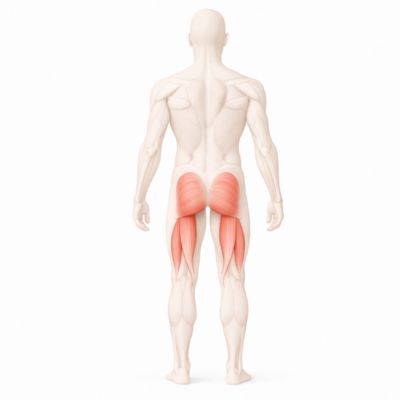 Hamstrings exercises target the muscles at the back of the upper legs that control hip extension and knee flexion. Strong hamstrings improve athletic performance, protect the knees and lower back, and support powerful, balanced lower-body movement.
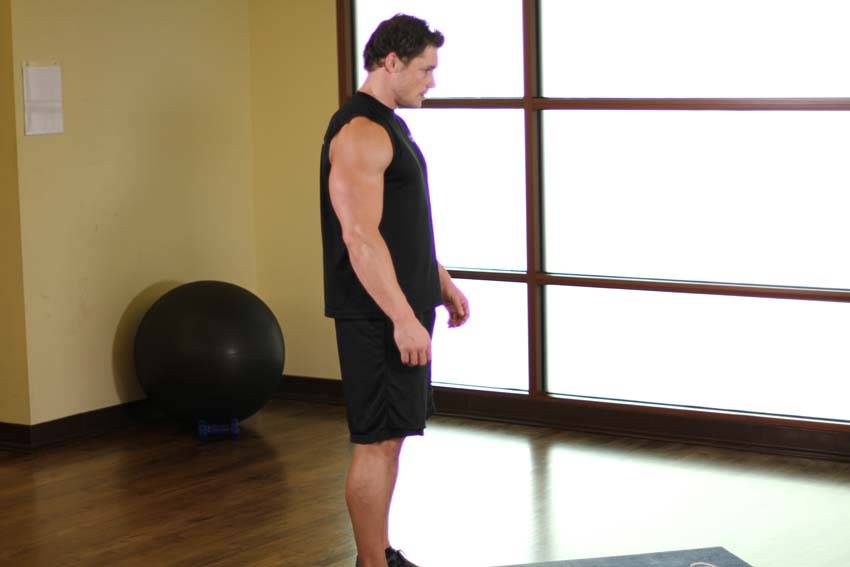
Standing Toe Touches
Stand with some space in front and behind you. Bend at the waist, keeping your legs straight, until you can relax and...
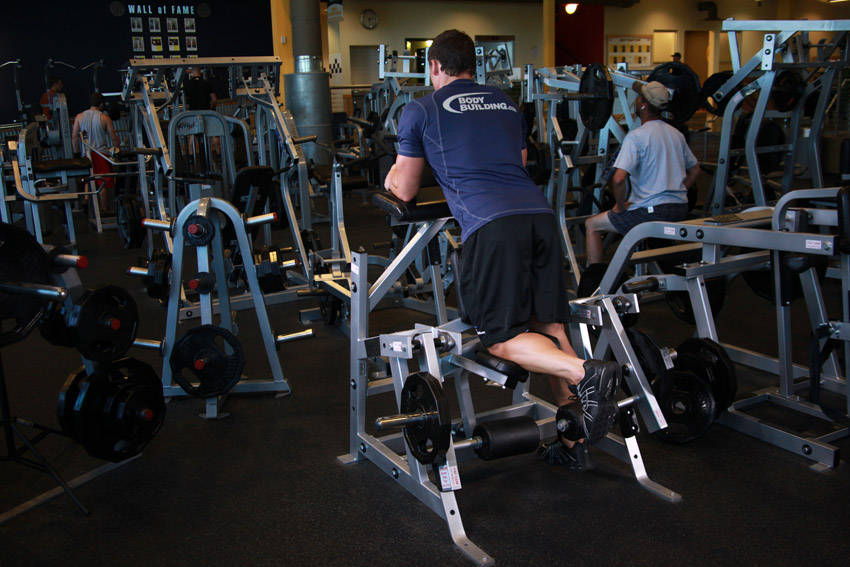
Standing Leg Curl
Отрегулируйте рычаг тренажера в соответствии со своим ростом и лягте так, чтобы туловище было согнуто в талии и обращ...
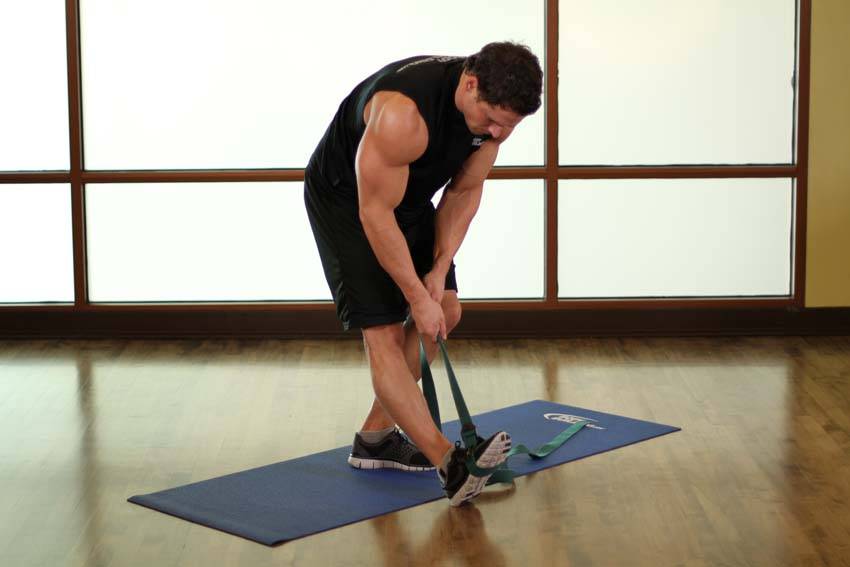
Standing Hamstring and Calf Stretch
Being by looping a belt, band, or rope around one foot. While standing, place that foot forward. Bend your back leg, ...
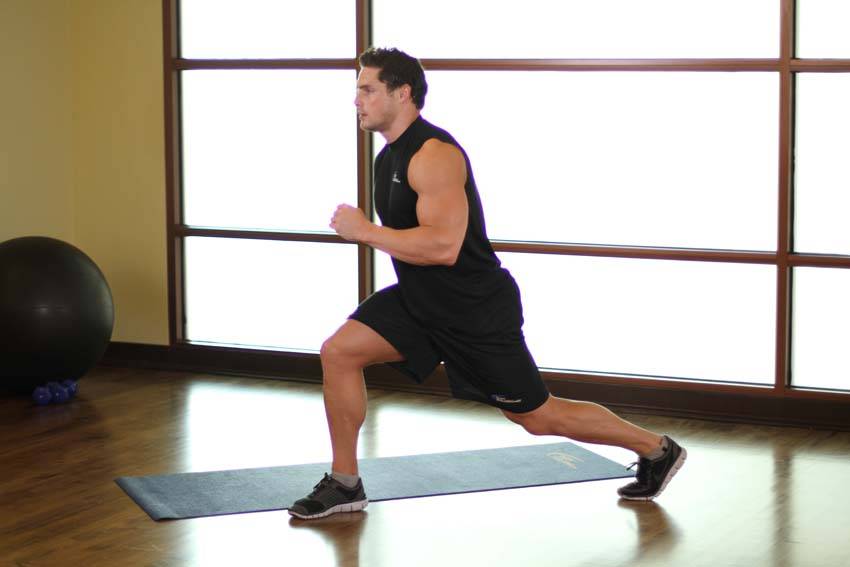
Split Squats
Being in a standing position. Jump into a split leg position, with one leg forward and one leg back, flexing the knee...
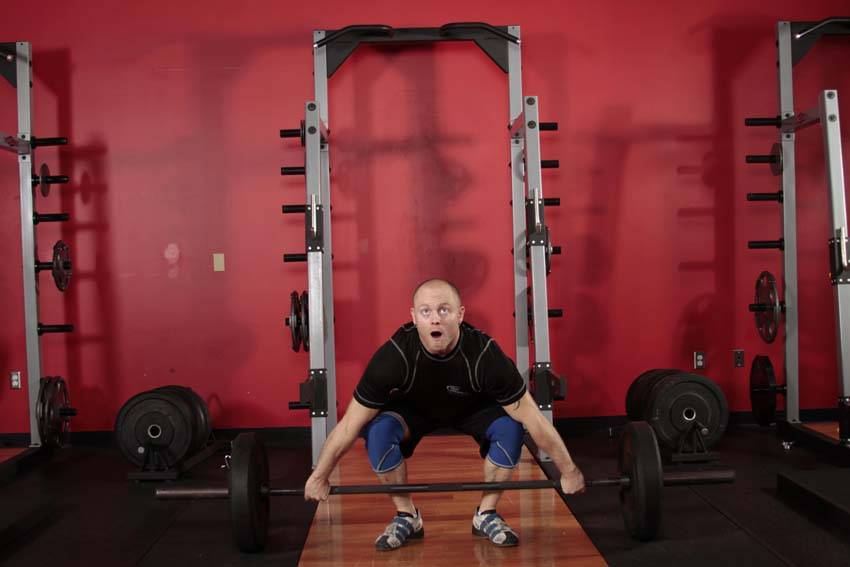
Split Snatch
Begin with a loaded barbell on the floor. The bar should be close to or touching the shins, and a wide grip should be...
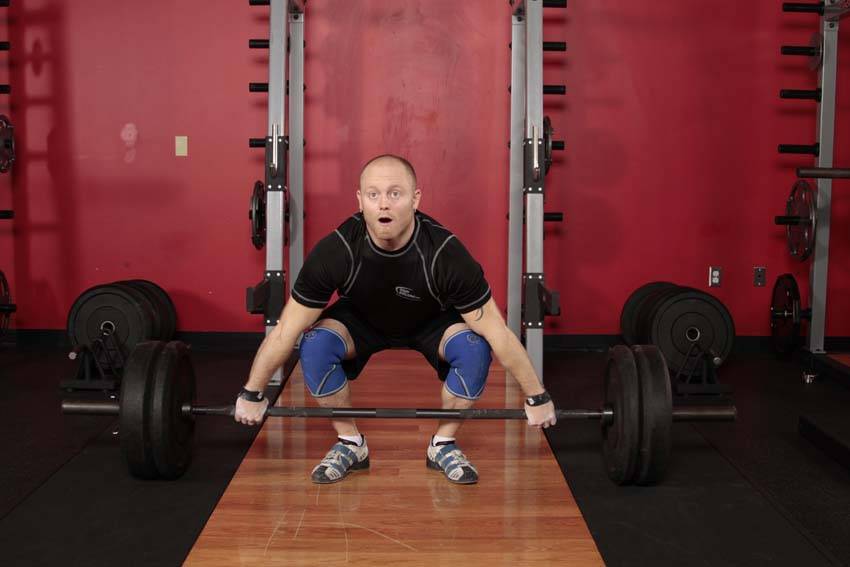
Snatch Pull
With a barbell on the floor close to the shins, take a wide snatch grip. Lower your hips with the weight focused on t...
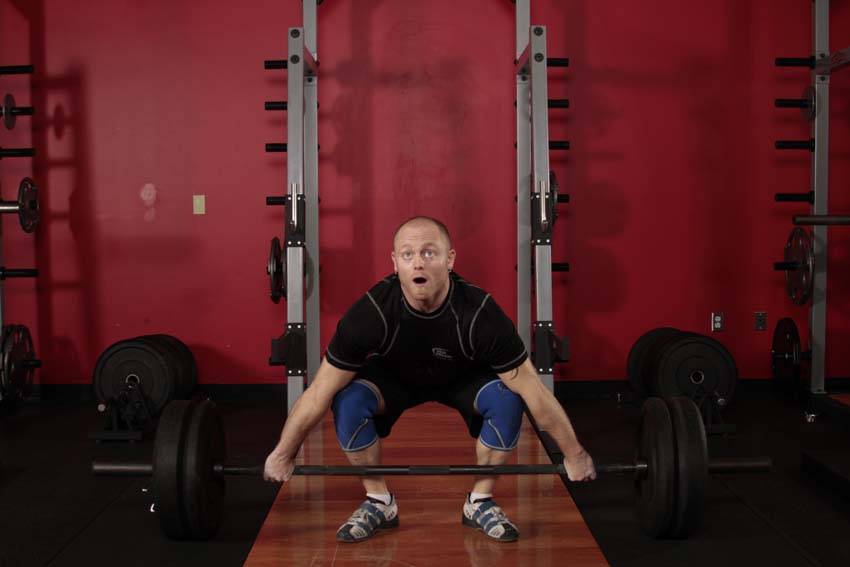
Snatch Deadlift
The snatch deadlift strengthens the first pull of the snatch. Begin with a wide snatch grip with the barbell placed o...
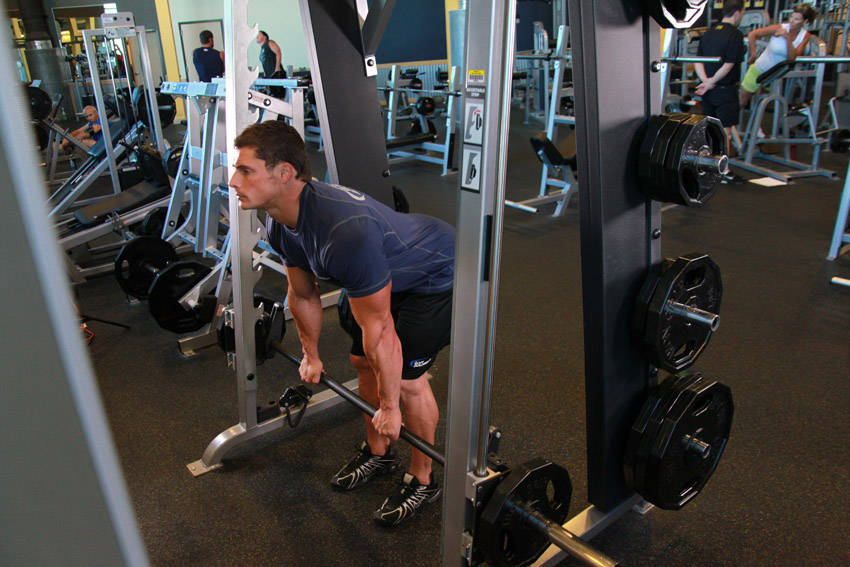
Smith Machine Stiff-Legged Deadlift
To begin, set the bar on the smith machine to a height that is around the middle of your thighs. Once the correct hei...
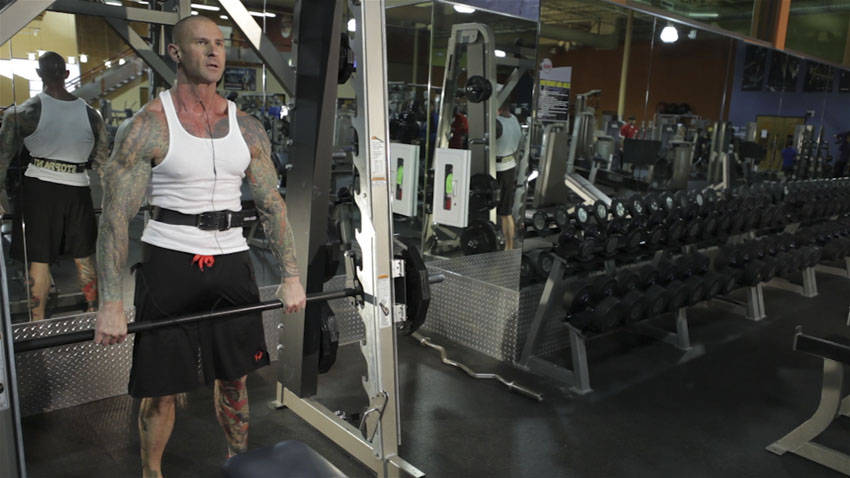
Smith Machine Hang Power Clean
Position the bar at knee height and load it to an appropriate weight. Take a pronated grip on the bar outside of shou...
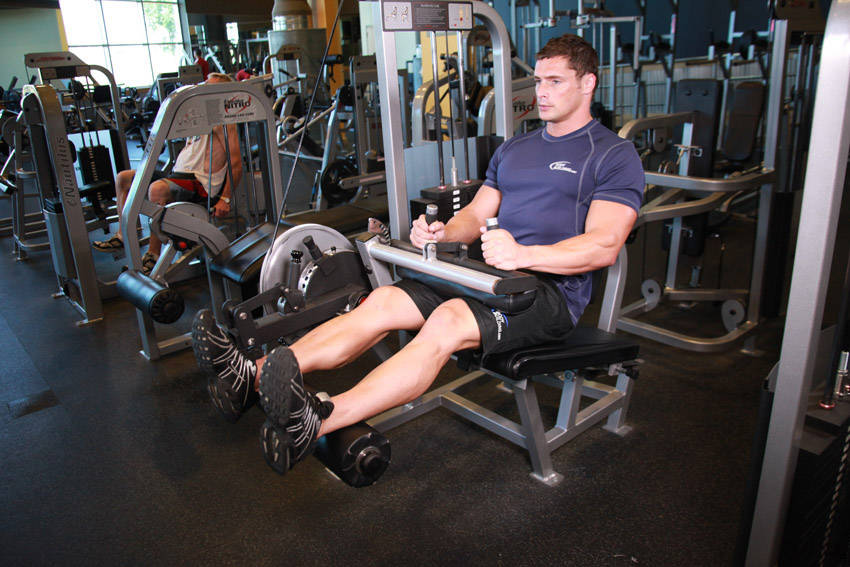
Seated Leg Curl
Adjust the machine lever to fit your height and sit on the machine with your back against the back support pad. Place...
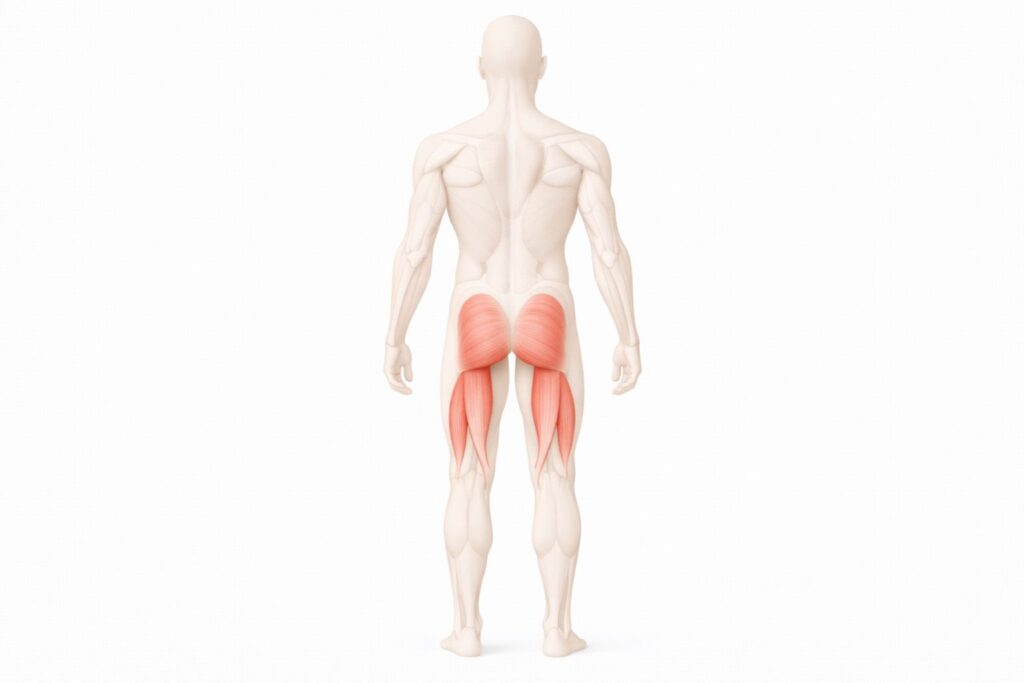
How to Train Hamstrings Effectively
The hamstrings are a group of muscles located on the back of the thighs that play a key role in hip extension, knee flexion, and lower-body stability. They are heavily involved in movements such as running, jumping, hinging, and lifting. Weak hamstrings can increase the risk of knee injuries, lower-back strain, and muscular imbalances.
To train hamstrings effectively, include both hip-dominant and knee-dominant exercises. Focus on slow, controlled repetitions and a full range of motion, especially during the eccentric (lowering) phase. Consistent progression and proper recovery are essential for building strength and resilience.
A balanced hamstrings workout often includes:
- Hip hinge movements: Romanian deadlifts, good mornings
- Knee flexion exercises: leg curls, stability ball curls
- Unilateral work: single-leg deadlifts, lunges
Form Tips for Hamstrings Training
- Maintain a neutral spine during hinge movements.
- Control the lowering phase to increase muscle engagement.
- Avoid rushing repetitions or using momentum.
- Train both legs evenly to prevent imbalances.
Common Questions
How often should hamstrings be trained?
Hamstrings can be t