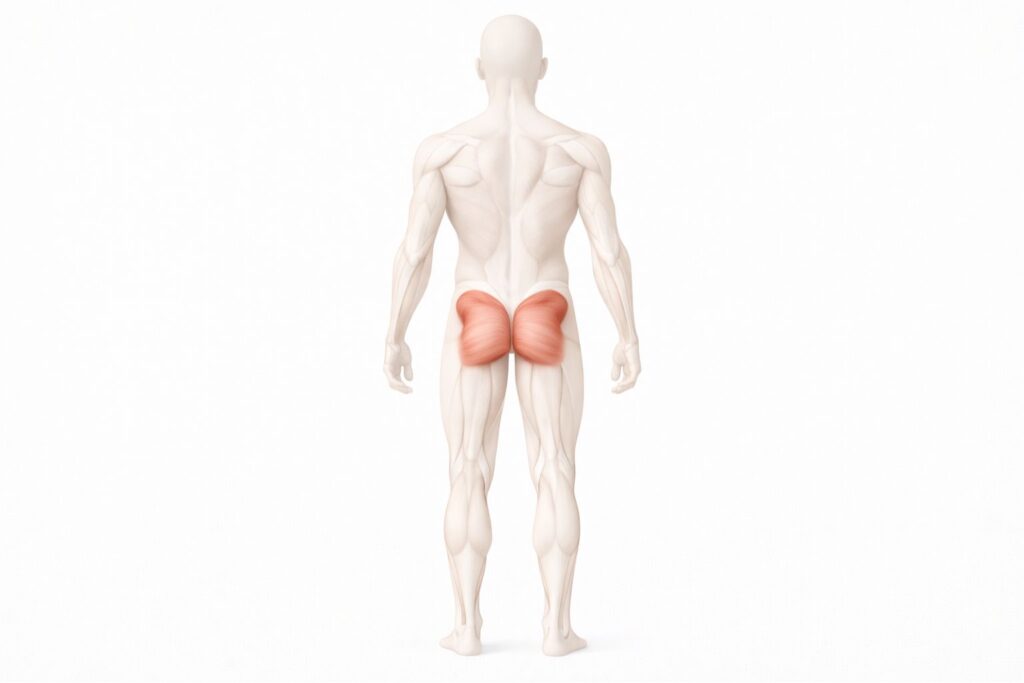
Glutes Exercises
 Glutes exercises target the largest and most powerful muscles in the body, responsible for hip extension, stability, and force production. Strong glutes improve athletic performance, protect the lower back, and support healthy movement during walking, running, and lifting.
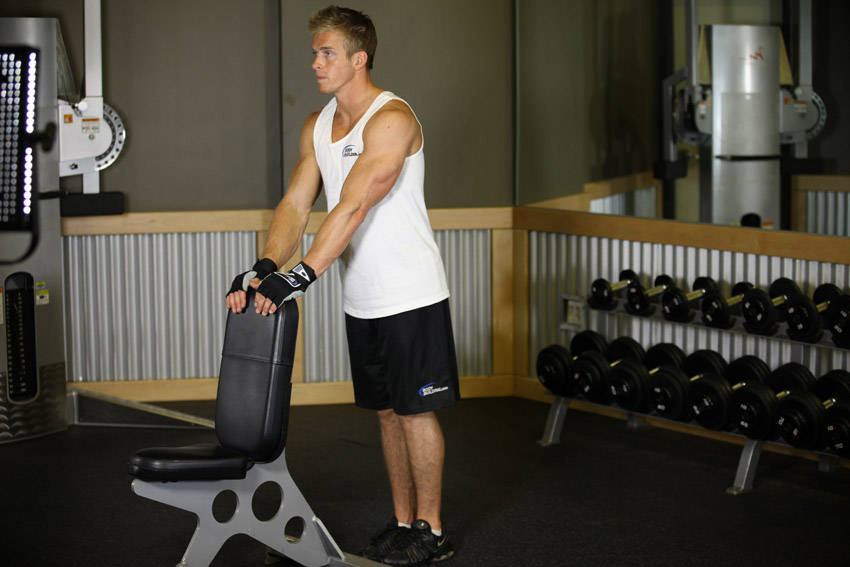
Leg Lift
While standing up straight with both feet next to each other at around shoulder width, grab a sturdy surface such as ...
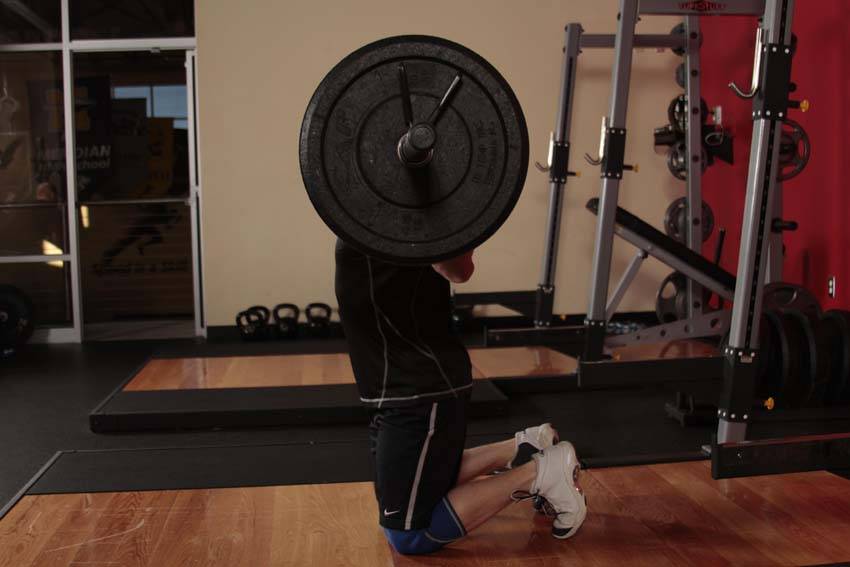
Kneeling Jump Squat
Begin kneeling on the floor with a barbell racked across the back of your shoulders, or you can use your body weight ...
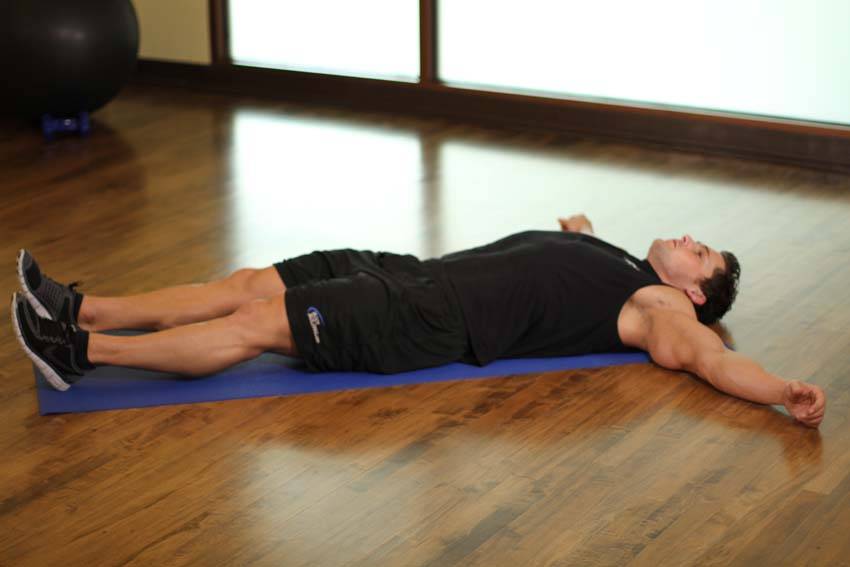
Knee Across The Body
Lie down on the floor with your right leg straight. Bend your left leg and lower it across your body, holding the kne...
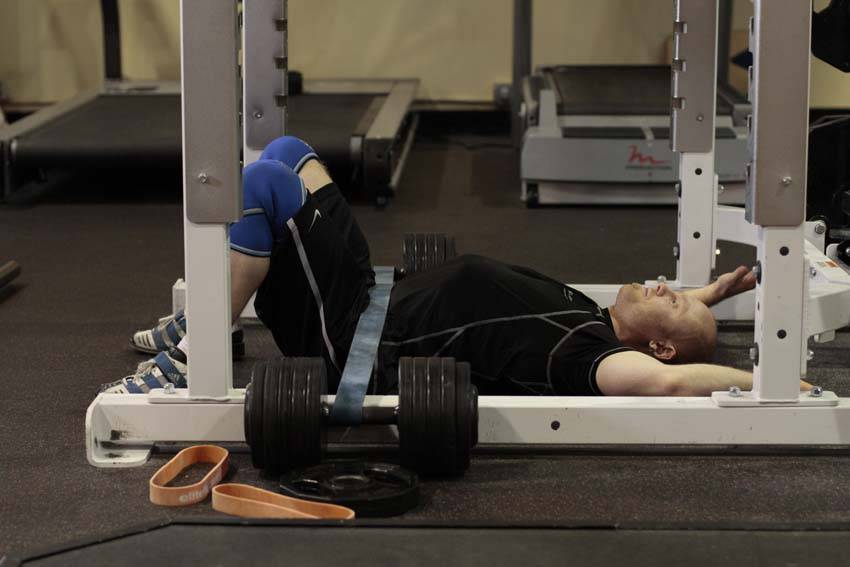
Hip Lift with Band
After choosing a suitable band, lay down in the middle of the rack, after securing the band on either side of you. If...
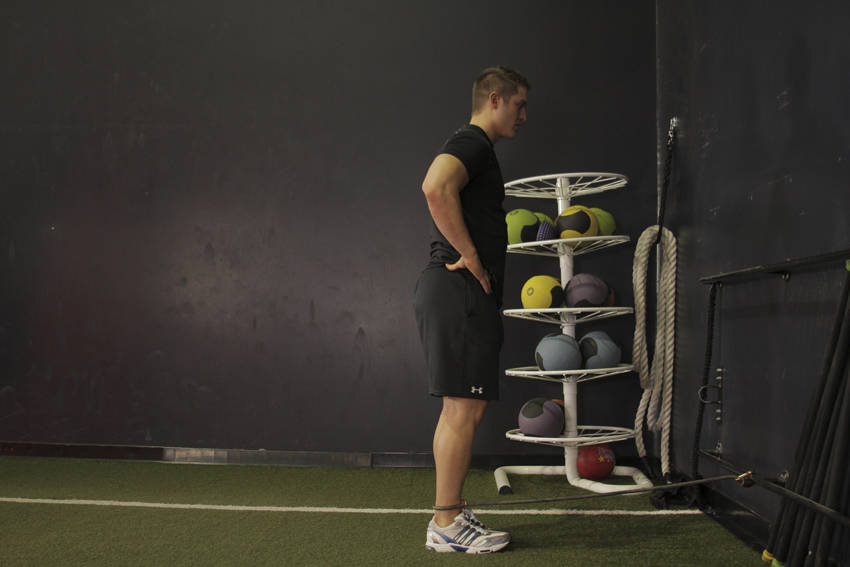
Hip Extension with Bands
Secure one end of the band to the lower portion of a post and attach the other to one ankle. Facing the attachment po...
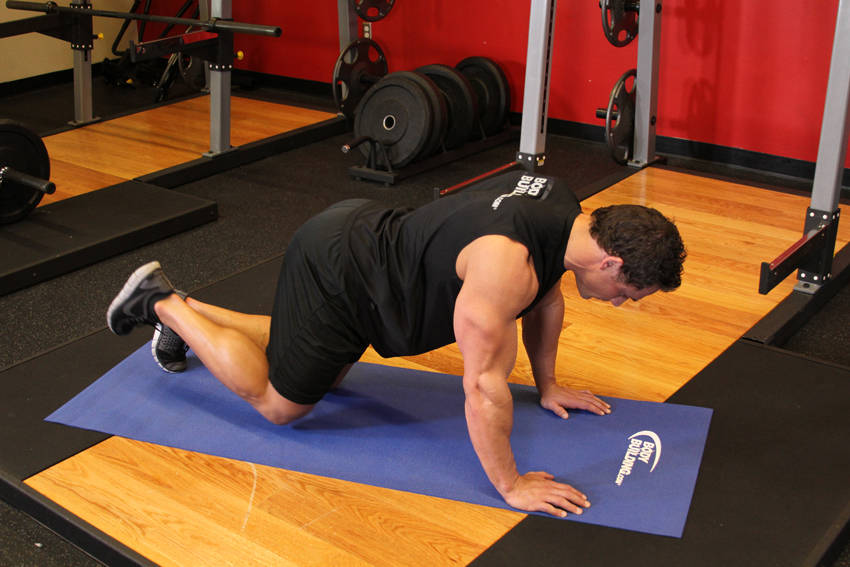
Glute Kickback
Kneel on the floor or an exercise mat and bend at the waist with your arms extended in front of you (perpendicular to...
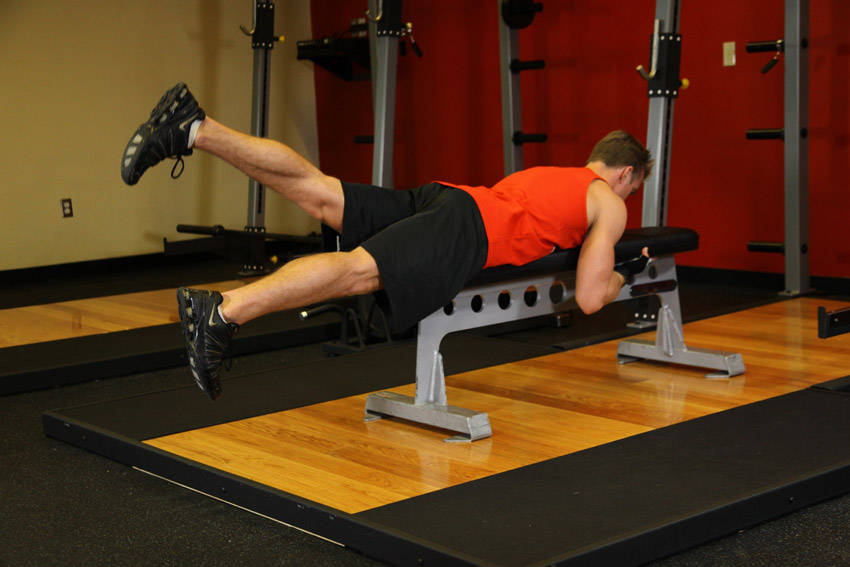
Flutter Kicks
On a flat bench lie facedown with the hips on the edge of the bench, the legs straight with toes high off the floor a...
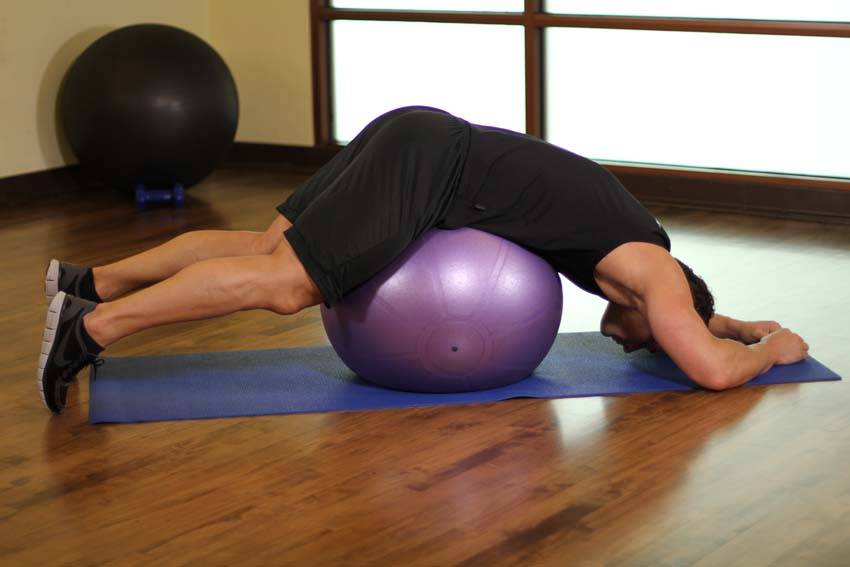
Downward Facing Balance
Lie facedown on top of an exercise ball. While resting on your stomach on the ball, walk your hands forward along the...
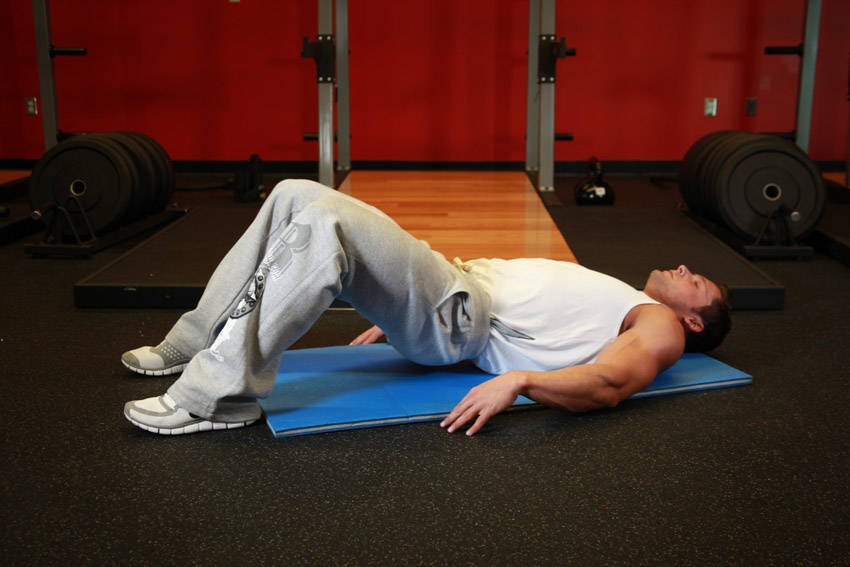
Butt Lift (Bridge)
Lie flat on the floor on your back with the hands by your side and your knees bent. Your feet should be placed around...

Barbell Hip Thrust
Begin seated on the ground with a bench directly behind you. Have a loaded barbell over your legs. Using a fat bar or...
How to Train Glutes Effectively
The glute muscles play a central role in lower-body strength, posture, and movement efficiency. They are heavily involved in activities such as walking, running, jumping, squatting, and lifting. Weak or inactive glutes can contribute to lower-back pain, poor hip mechanics, and reduced athletic performance.
To train glutes effectively, focus on exercises that emphasize hip extension and controlled movement through a full range of motion. Combining compound lifts with targeted isolation work helps ensure balanced development and proper muscle activation. Using progressive overload while maintaining good form is key to long-term strength gains.
A well-rounded glutes workout often includes:
- Compound movements: squats, hip thrusts, deadlifts
- Unilateral exercises: lunges, step-ups, split squats
- Isolation work: glute bridges, kickbacks, cable abductions
Form Tips for Glute Training
- Drive through the heels to maximize glute activation.
- Keep your core engaged and spine neutral.
- Control the lowering phase of each repetition.
- Use a full hip extension at the top of each movement.
Common Questions
How often should glutes be trained?
Glutes can be trained 2–3 times per week, depending on intensity and recovery.
Do glutes affect posture?
Yes. Strong glutes help stabilize the pelvis and reduce strain on the lower back, contributing to better posture and movement quality.