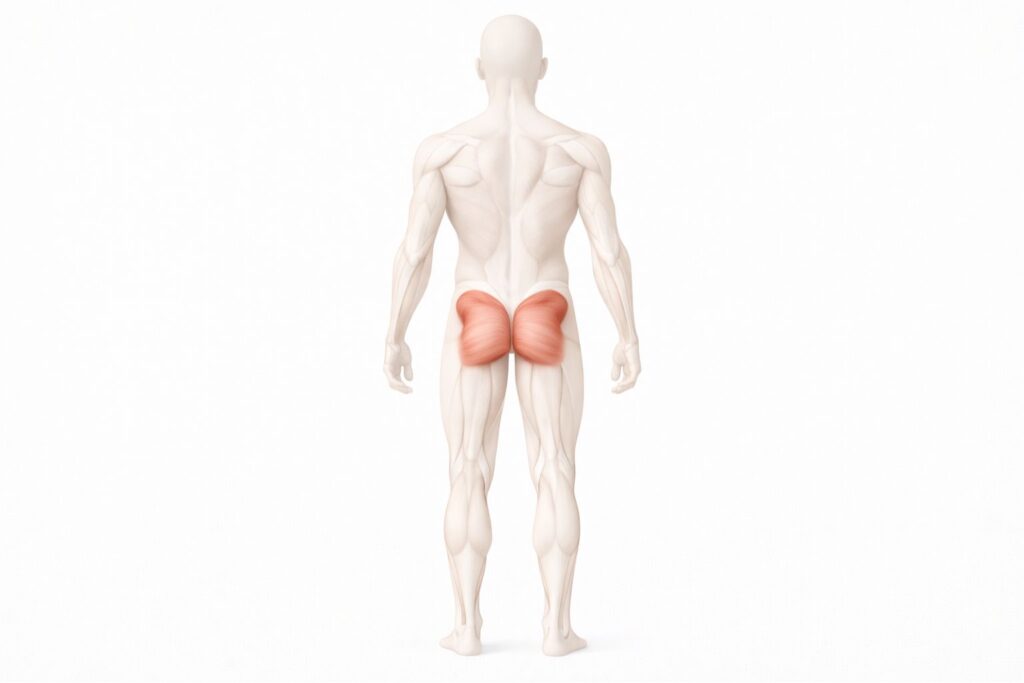
Glutes Exercises
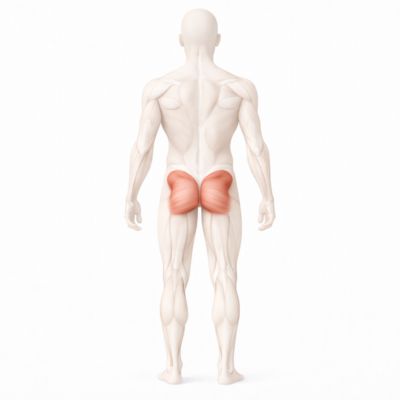 Glutes exercises target the largest and most powerful muscles in the body, responsible for hip extension, stability, and force production. Strong glutes improve athletic performance, protect the lower back, and support healthy movement during walking, running, and lifting.
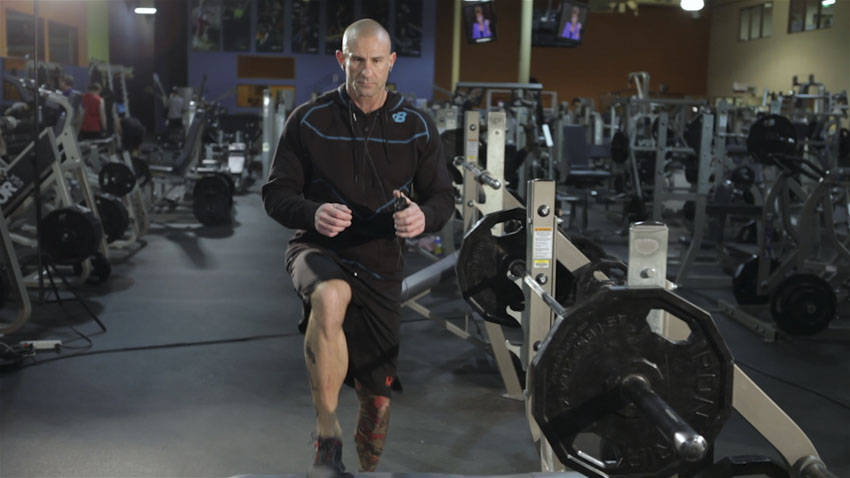
Step-up with Knee Raise
Stand facing a box or bench of an appropriate height with your feet together. This will be your starting position. Be...
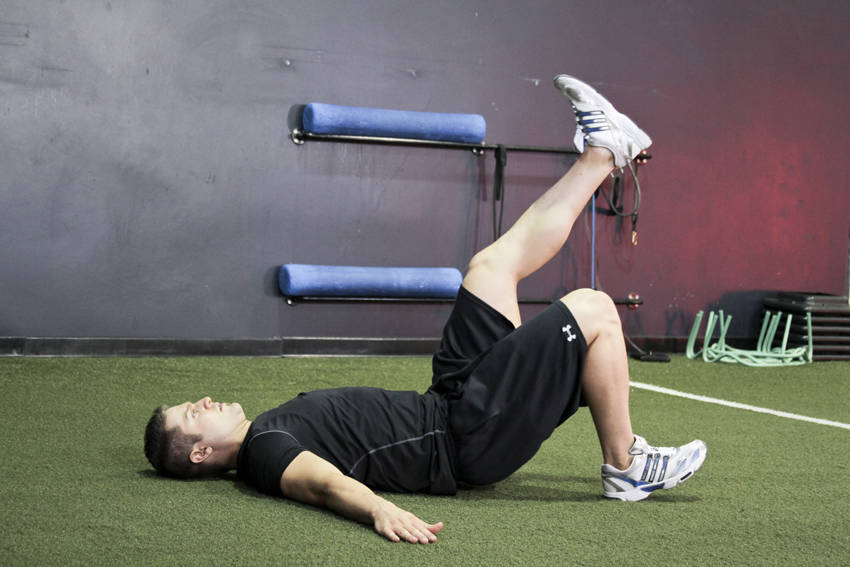
Single Leg Glute Bridge
Lay on the floor with your feet flat and knees bent. Raise one leg off of the ground, pulling the knee to your chest....
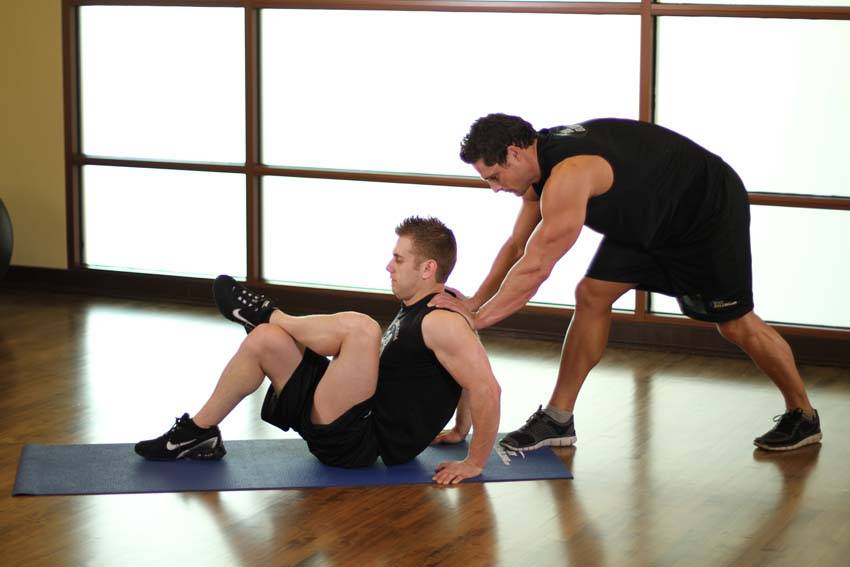
Seated Glute
In a seated position with your knees bent, cross one ankle over the opposite knee. Your partner will stand behind you...
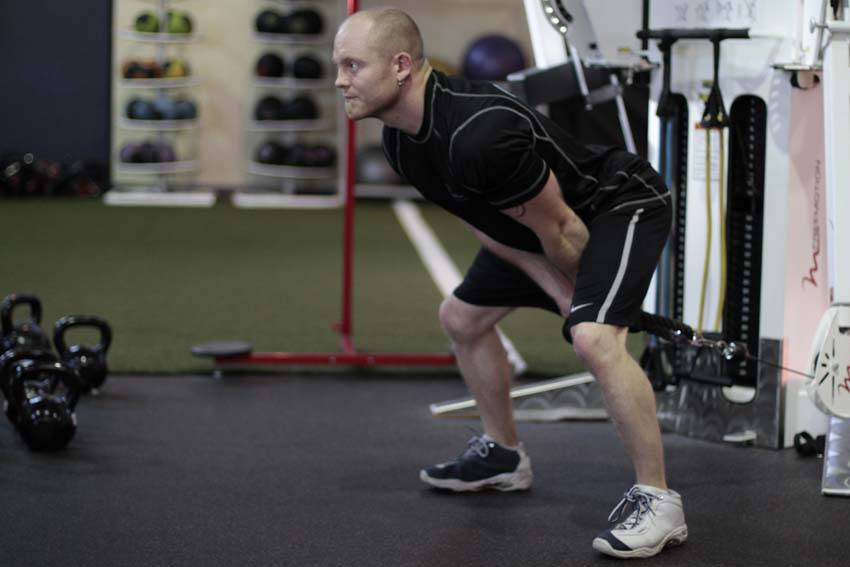
Pull Through
Begin standing a few feet in front of a low pulley with a rope or handle attached. Face away from the machine, stradd...
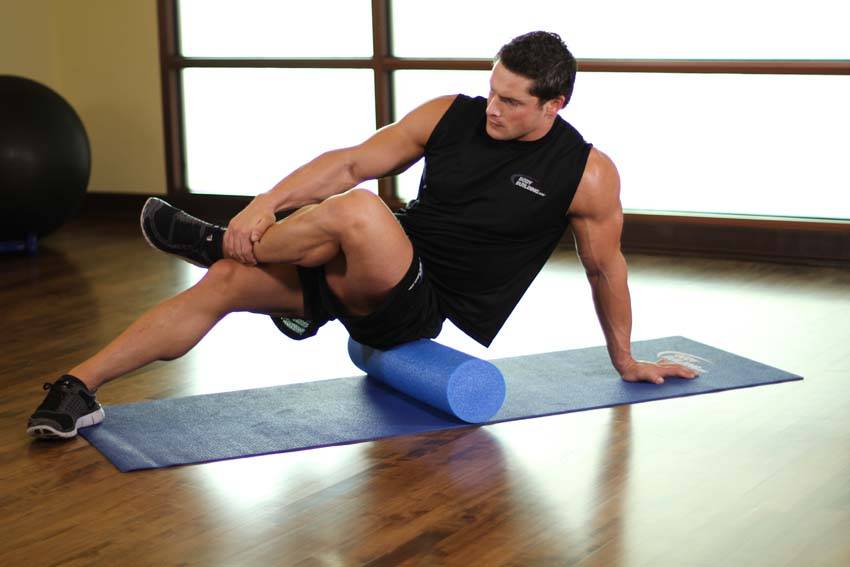
Piriformis-SMR
Sit with your buttocks on top of a foam roll. Bend your knees, and then cross one leg so that the ankle is over the k...

Physioball Hip Bridge
Lay on a ball so that your upper back is on the ball with your hips unsupported. Both feet should be flat on the floo...
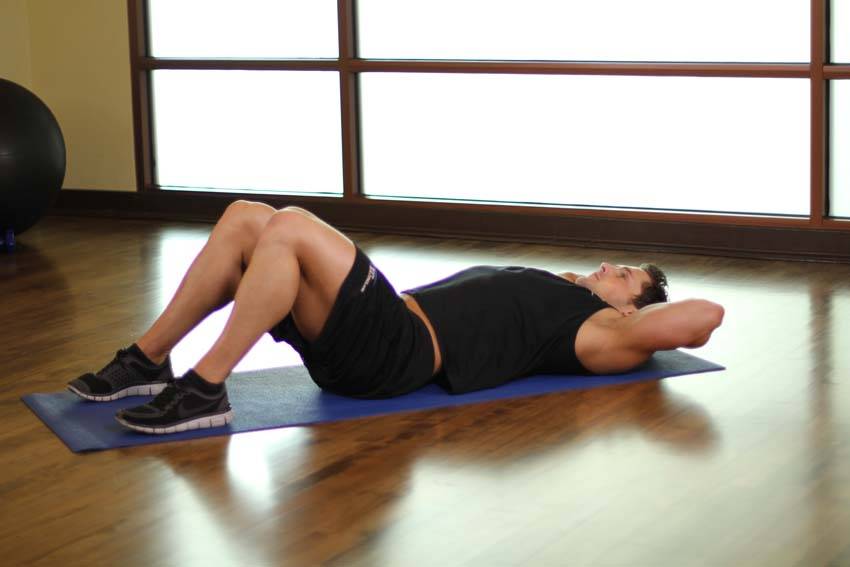
One Knee To Chest
Start off by lying on the floor. Extend one leg straight and pull the other knee to your chest. Hold under the knee j...
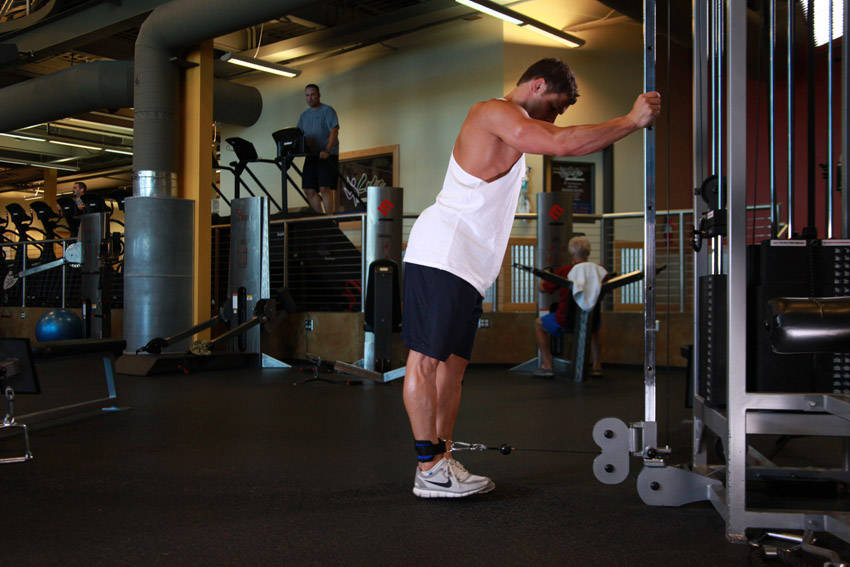
One-Legged Cable Kickback
Hook a leather ankle cuff to a low cable pulley and then attach the cuff to your ankle. Face the weight stack from a ...

Lying Glute
Lie on your back with your partner kneeling beside you. Flex the hip of one leg, raising it off of the floor. Rotate ...

Kneeling Squat
Set the bar to the proper height in a power rack. Kneel behind the bar; it may be beneficial to put a mat down to pad...
How to Train Glutes Effectively
The glute muscles play a central role in lower-body strength, posture, and movement efficiency. They are heavily involved in activities such as walking, running, jumping, squatting, and lifting. Weak or inactive glutes can contribute to lower-back pain, poor hip mechanics, and reduced athletic performance.
To train glutes effectively, focus on exercises that emphasize hip extension and controlled movement through a full range of motion. Combining compound lifts with targeted isolation work helps ensure balanced development and proper muscle activation. Using progressive overload while maintaining good form is key to long-term strength gains.
A well-rounded glutes workout often includes:
- Compound movements: squats, hip thrusts, deadlifts
- Unilateral exercises: lunges, step-ups, split squats
- Isolation work: glute bridges, kickbacks, cable abductions
Form Tips for Glute Training
- Drive through the heels to maximize glute activation.
- Keep your core engaged and spine neutral.
- Control the lowering phase of each repetition.
- Use a full hip extension at the top of each movement.
Common Questions
How often should glutes be trained?
Glutes can be trained 2–3 times per week, depending on intensity and recovery.
Do glutes affect posture?
Yes. Strong glutes help stabilize the pelvis and reduce strain on the lower back, contributing to better posture and movement quality.