Is Two Sets Enough to Build Muscle?

Inspired by Colin James
(YouTube channel)
and his perspective on training intensity.
This article references Colin James’ video:
Most people don’t train too little, they train too comfortably
.
It explains why so many people spend years in the gym, feel busy and tired,
yet don’t see real progress.
Why Most People Train Comfortably
The core message of the video is simple but uncomfortable:
most people don’t train too little — they train too comfortably.
Walk into almost any gym and you’ll see the same pattern: four or five sets per exercise,
most of them done at around 70–80% effort.
The lifter feels a pump, feels tired, and leaves feeling accomplished — but never actually
pushes a single set hard enough to force adaptation. Instead of concentrating real intensity
into one or two demanding sets, effort gets spread across many moderate ones.
The problem is that moderate effort does not trigger muscle growth,
no matter how much volume you stack. Muscle growth happens when muscle fibers are recruited
hard enough that the body clearly receives the signal:
“I need to adapt to this.”
That signal comes from sets taken close to real failure — not from stopping with two or three
reps left every time. This is why the video argues that
one or two hard working sets can create more stimulus than five comfortable ones.
Volume often becomes a way to avoid intensity, not a replacement for it.
My Experience: I Was Already Doing Two Sets
I’ve already been training with two working sets per exercise for about
four months, so this video didn’t change my program structure.
What it changed was my honesty.
After watching the video, I made one clear decision:
every working set must actually be pushed to my real limit.
No coasting. No saving energy for imaginary later sets.
I tried this approach for the first week, and the difference was immediate.
Workouts felt shorter, sharper, and more purposeful.
I didn’t just feel tired — I felt stimulated.
Two sets only work when they are honest.
Comfortable two sets are just low-volume fluff.
Hard two sets expose exactly where you are.
Where I Don’t Train to Failure — And Why
Pushing hard doesn’t mean being reckless.
There are exercises where I intentionally stop short of true failure
for safety and long-term consistency.
Bench Press (Training Alone)
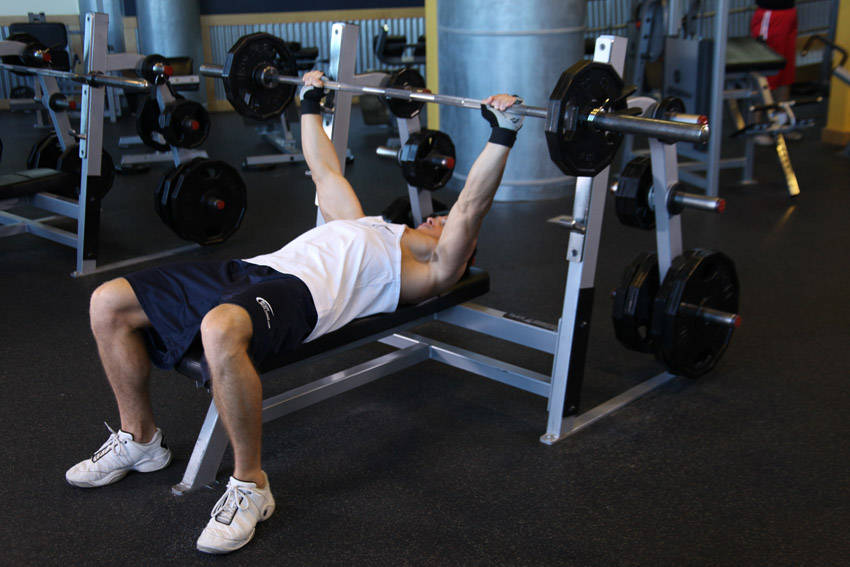
Wide Grip Barbell Bench Press
I train alone without a spotter, so going to absolute failure isn’t smart.
I still push very close to my limit, but I leave a small margin to avoid
getting stuck under the bar.
Squats
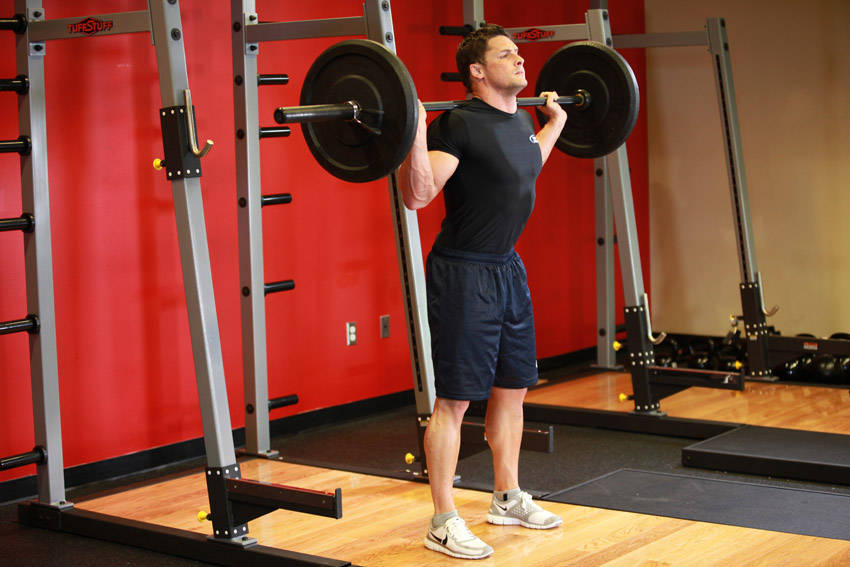
Barbell Squat
Training solo means I focus on controlled reps and proper depth,
pushing hard without putting myself in a position where safety becomes an issue.
Deadlifts and Back Considerations
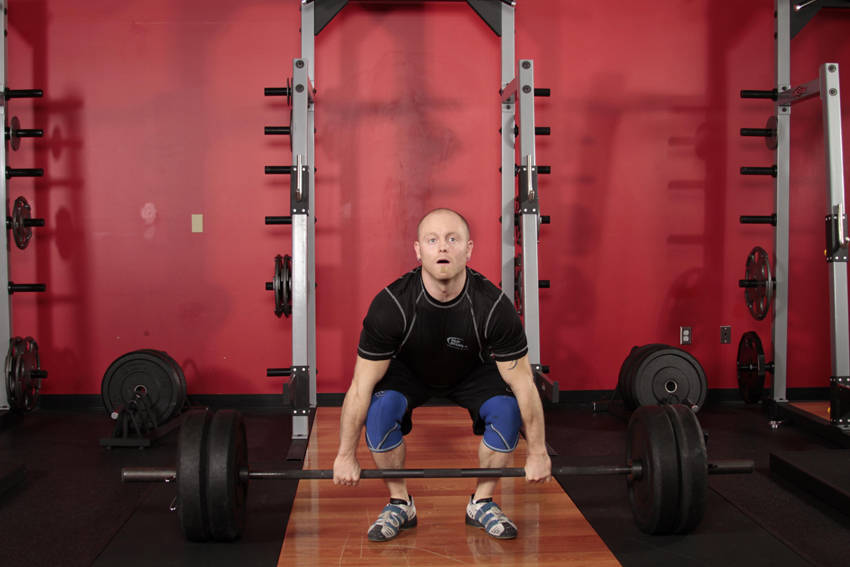
Clean Deadlift (Conservative Load)
Because of past back issues, I don’t chase heavy weights on deadlifts.
I still include the movement, but I keep the load conservative and focus on form,
control, and long-term consistency instead of ego lifting.
Final Conclusion
The real issue isn’t volume, sets, or programming — it’s comfort.
Comfortable training lets you feel productive without changing much.
Training that asks something from you forces adaptation.
If you’ve been stuck, don’t automatically add more sets.
Try making fewer sets actually count.
Most of the time, it’s not the volume that’s missing —
it’s the effort.
I’m documenting this process — the good weeks and the hard ones —
on my YouTube channel:
OnePushAway
.