
Stairmaster Exercise
Builds strength and control by improving stability, coordination, and efficient movement.

Description
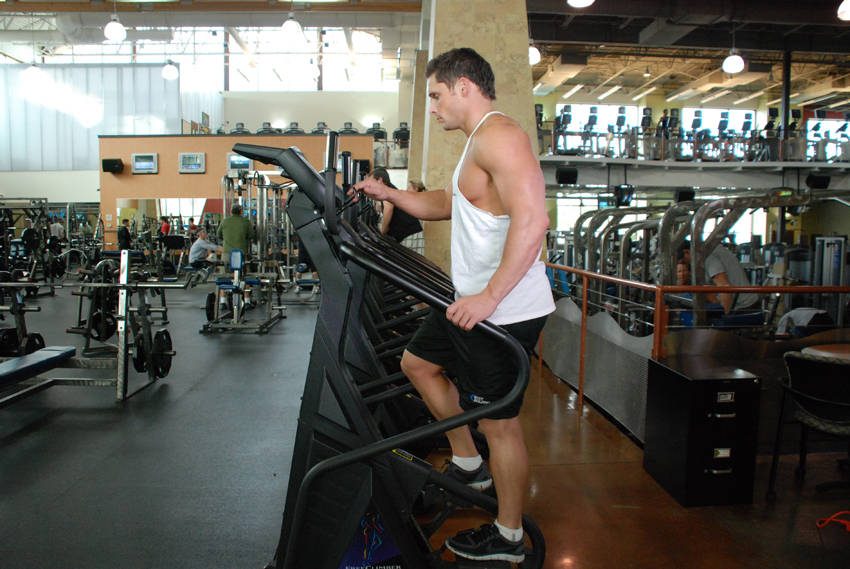
Stairmaster focuses on controlled movement and maintaining proper body alignment throughout the exercise. The goal is to create tension where needed while avoiding unnecessary strain or momentum. This helps improve movement quality, joint stability, and overall physical control.
Instructions:
- To begin, step onto the stairmaster and select the desired option from the menu. You can choose a manual setting, or you can select a program to run. Typically, you can enter your age and weight to estimate the amount of calories burned during exercise.
- Pump your legs up and down in an established rhythm, driving the pedals down but not all the way to the floor. It is recommended that you maintain your grip on the handles so that you don't fall. The handles can be used to monitor your heart rate to help you stay at an appropriate intensity.
- Stairmasters offer convenience, cardiovascular benefits, and usually have less impact than running outside. They are typically much harder than other cardio equipment. A 150 lb person will typically burn over 300 calories in 30 minutes, compared to about 175 calories walking.
Exercise FAQ
Does grip or stance matter?
Yes—small changes can shift what you feel and how stable you are. Pick the most controlled position and keep it consistent while you learn the movement.
How should I program this in a workout?
Use it after your warm-up when you’re fresh. Aim for 2–4 sets and choose a rep range that matches your goal (strength: lower reps; muscle: moderate reps).
What should I focus on to keep good form?
Move with control and keep your torso stable. Use a range of motion you can own, and stop the set if you need momentum to finish reps. Think of it as controlled movement done with repeatable, clean reps.
Disclaimer
This content is for educational purposes only and does not replace professional medical or fitness advice. Consult a qualified healthcare provider before beginning any new exercise routine. Exercise safely and listen to your body.
Alternative exercises:
Dumbbell Lunges
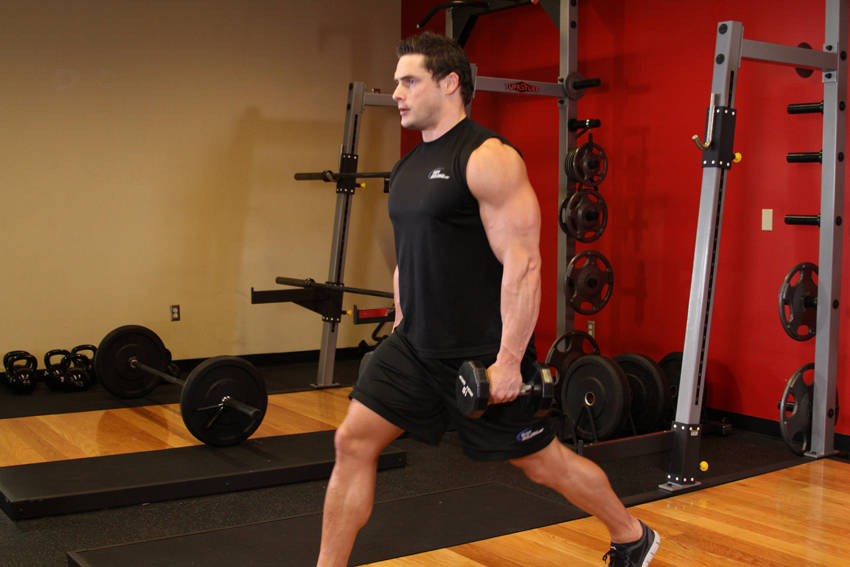
Stand with your torso upright holding two dumbbells in your hands by your sides. This will be your starting...
One-Arm Side Deadlift
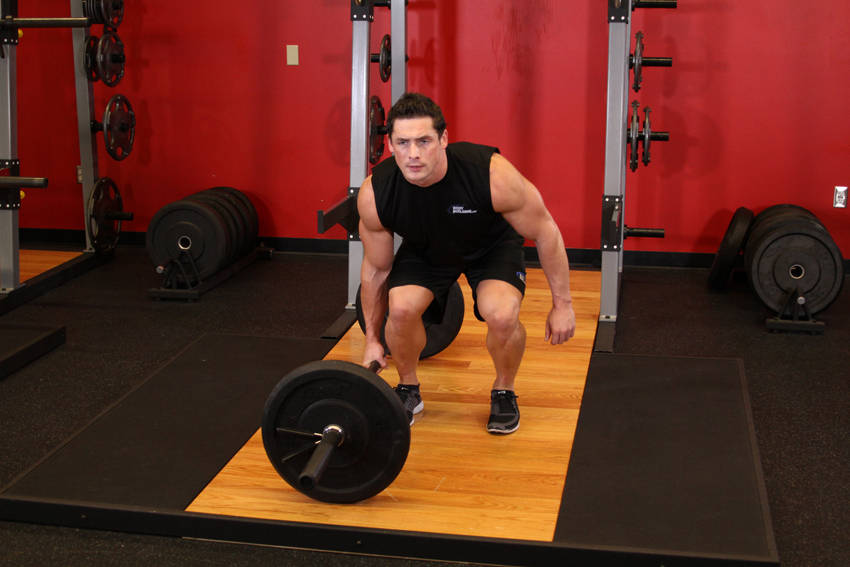
Stand to the side of a barbell next to its center. Bend your knees and lower your body until you are able t...
Single-Cone Sprint Drill
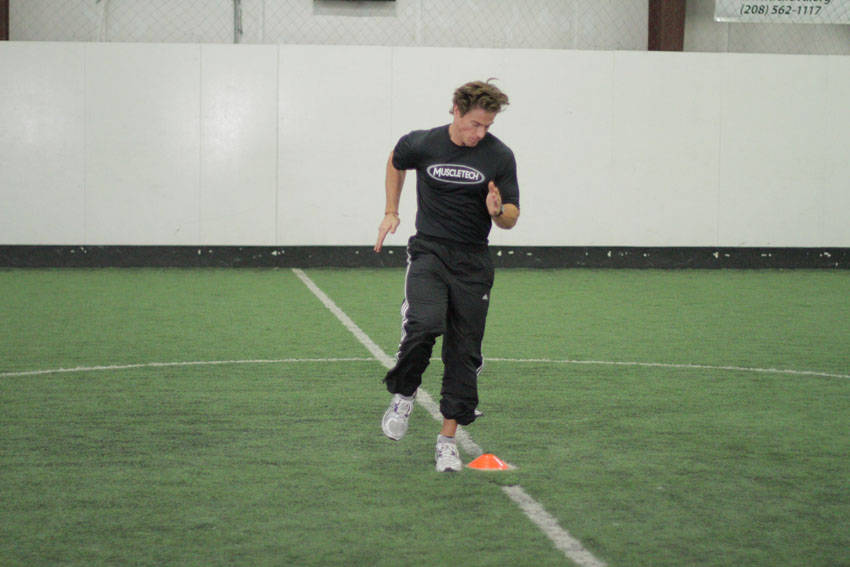
This drill teaches quick foot action. You need a single cone. Begin standing next to the cone with one arm ...