
Scissor Kick Exercise
Builds strength and control by improving stability, coordination, and efficient movement.

Description
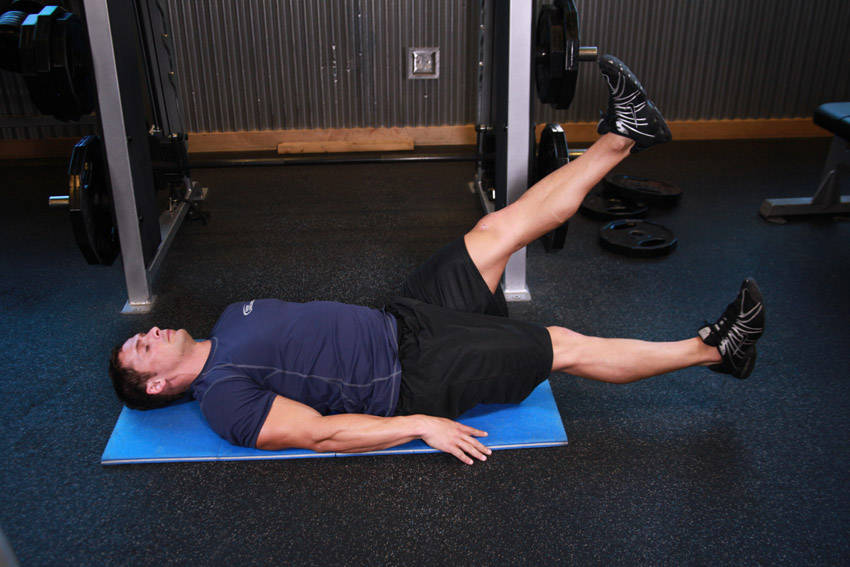
Scissor kick focuses on controlled movement and maintaining proper body alignment throughout the exercise. The goal is to create tension where needed while avoiding unnecessary strain or momentum. This helps improve movement quality, joint stability, and overall physical control.
Instructions:
- To begin, lie down with your back pressed against the floor or on an exercise mat (optional). Your arms should be fully extended to the sides with your palms facing down. Note: The arms should be stationary the entire time.
- With a slight bend at the knees, lift your legs up so that your heels are about 6 inches off the ground. This is the starting position.
- Now lift your left leg up to about a 45 degree angle while your right leg is lowered until the heel is about 2-3 inches from the ground.
- Switch movements by raising your right leg up and lowering your left leg. Remember to breathe while performing this exercise.
- Repeat for the recommended amount of repetitions.
Exercise FAQ
Does grip or stance matter?
Yes—small changes can shift what you feel and how stable you are. Pick the most controlled position and keep it consistent while you learn the movement.
How should I program this in a workout?
Use it after your warm-up when you’re fresh. Aim for 2–4 sets and choose a rep range that matches your goal (strength: lower reps; muscle: moderate reps).
What’s a common mistake people make here?
Rushing reps and losing body position. Keep the movement smooth and repeatable so tension stays where you want it. Think of it as controlled movement done with repeatable, clean reps.
Disclaimer
This content is for educational purposes only and does not replace professional medical or fitness advice. Consult a qualified healthcare provider before beginning any new exercise routine. Exercise safely and listen to your body.
Alternative exercises:
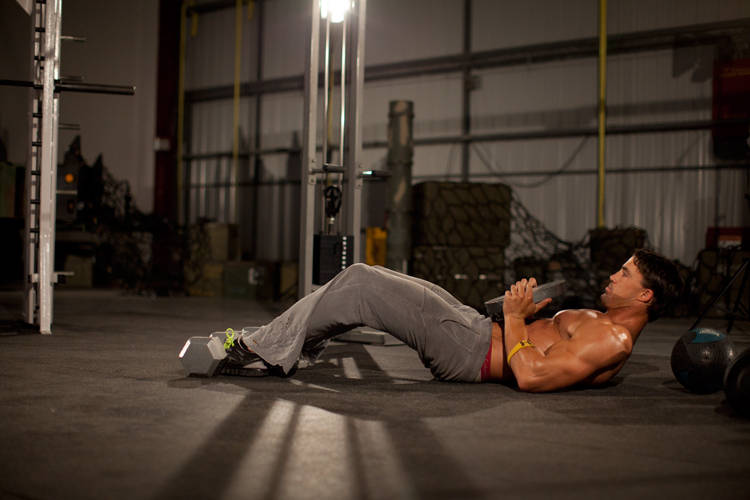
Otis-Up
Secure your feet and lay back on the floor. Your knees should be bent. Hold a weight with both hands to you...
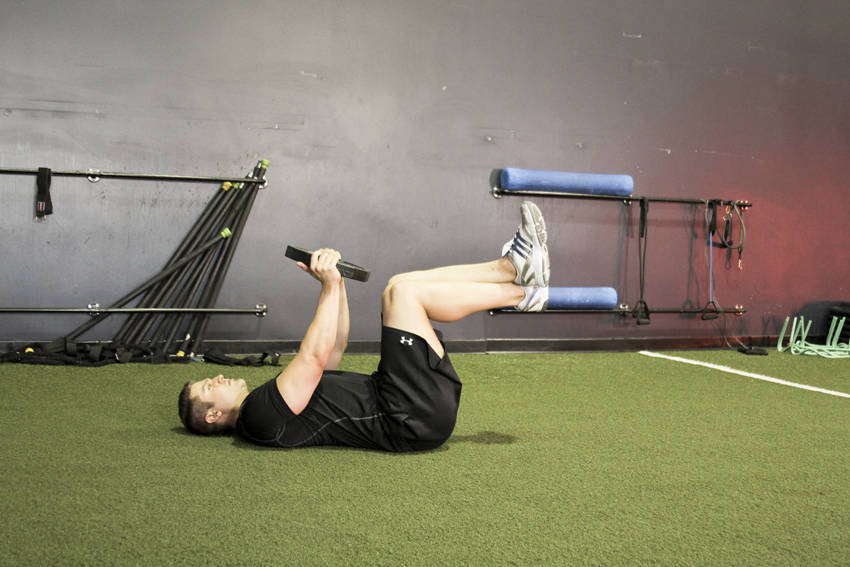
Weighted Crunches
Lie flat on your back with your feet flat on the ground or resting on a bench with your knees bent at a 90 ...
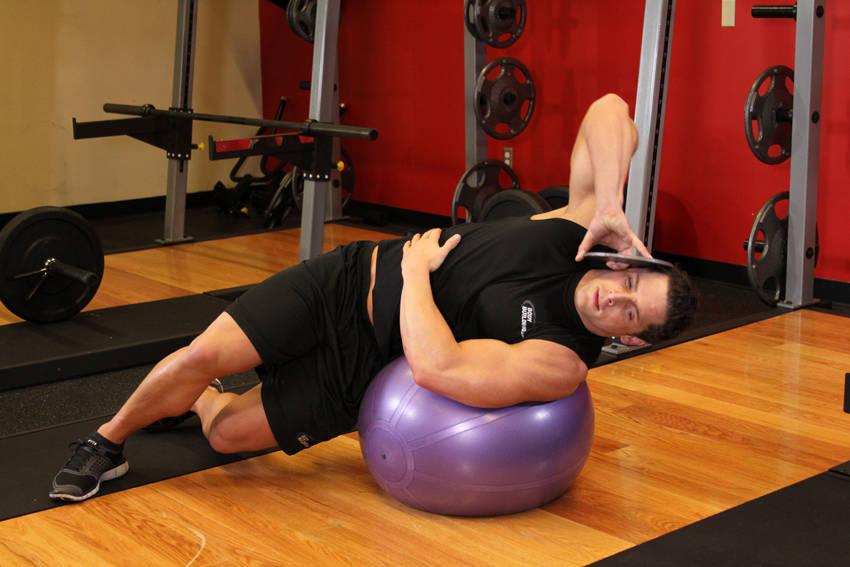
Weighted Ball Side Bend
To begin, lie down on an exercise ball with your left side of the torso (waist, hips and shoulder) pressed ...