
Reverse Flyes With External Rotation Exercise
Builds strength and control by improving stability, coordination, and efficient movement.
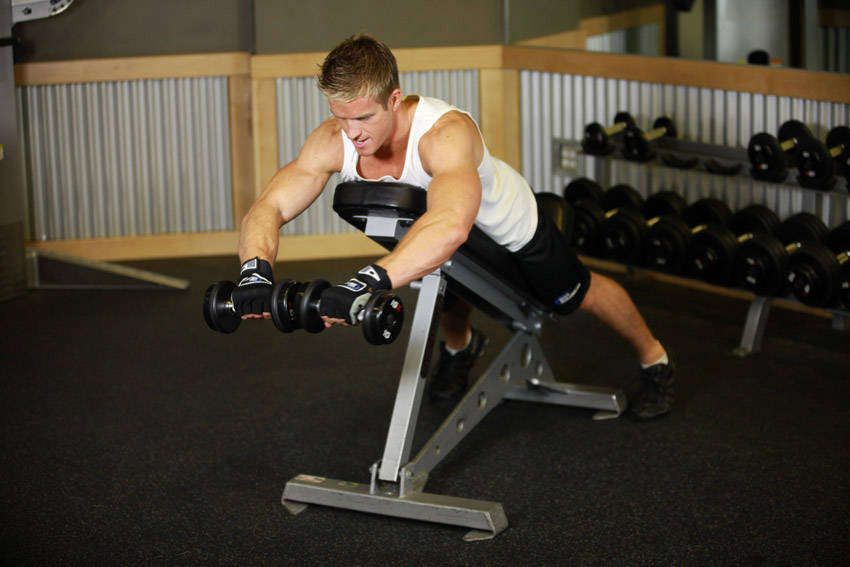

Description
Reverse flyes with external rotation focuses on controlled movement and maintaining proper body alignment throughout the exercise. The goal is to create tension where needed while avoiding unnecessary strain or momentum. This helps improve movement quality, joint stability, and overall physical control.
Instructions:
- To begin, lie down on an incline bench set at a 30-degree angle with the chest and stomach pressing against the incline.
- Have the dumbbells in each hand with the palms facing down to the floor. Your arms should be in front of you so that they are perpendicular to the angle of the bench. Tip: Your elbows should have a slight bend. The legs should be stationary while applying pressure with the ball of your toes (your heels should not be touching the floor). This is the starting position.
- Maintaining the slight bend of the elbows, move the weights out and away from each other in an arc motion while exhaling.
- As you lift the weight, your wrist should externally rotate by 90-degrees so that you go from a palms down (pronated) grip to a palms facing each other (neutral) grip. Tip: Try to squeeze your shoulder blades together to get the best results from this exercise.
- The arms should be elevated until they are level with the head.
- Feel the contraction and slowly lower the weights back down to the starting position while inhaling.
- Repeat for the recommended amount of repetitions.
Exercise FAQ
Should I hold my breath during the effort?
No—use controlled breathing. A steady exhale on the hard part helps you keep tension without losing position. Think of it as flye movement done with repeatable, clean reps.
Where should I feel the effort?
You should feel deep tension through the trunk, not strain in the neck or hip flexors. Adjust the setup if the effort shifts away from the core. Think of it as flye movement done with repeatable, clean reps.
How can I progress this safely?
Increase time under tension, then add resistance or a harder variation. Progress only if you can keep the same clean position.
Disclaimer
This content is for educational purposes only and does not replace professional medical or fitness advice. Consult a qualified healthcare provider before beginning any new exercise routine. Exercise safely and listen to your body.
Alternative exercises:

Dumbbell Lying One-Arm Rear Lateral Raise
While holding a dumbbell in one hand, lay with your chest down on a slightly inclined (around 15 degrees wh...
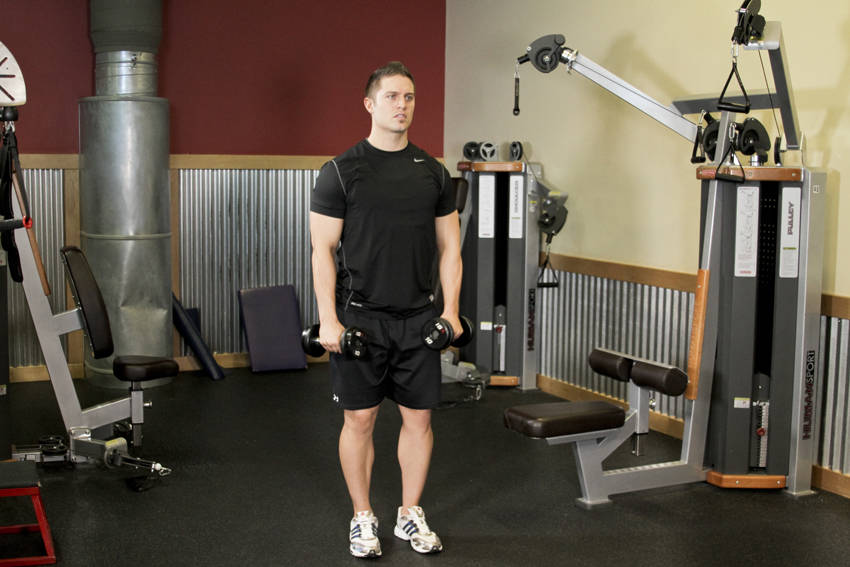
Alternating Deltoid Raise
In a standing position, hold a pair of dumbbells at your side. Keeping your elbows slightly bent, raise the...
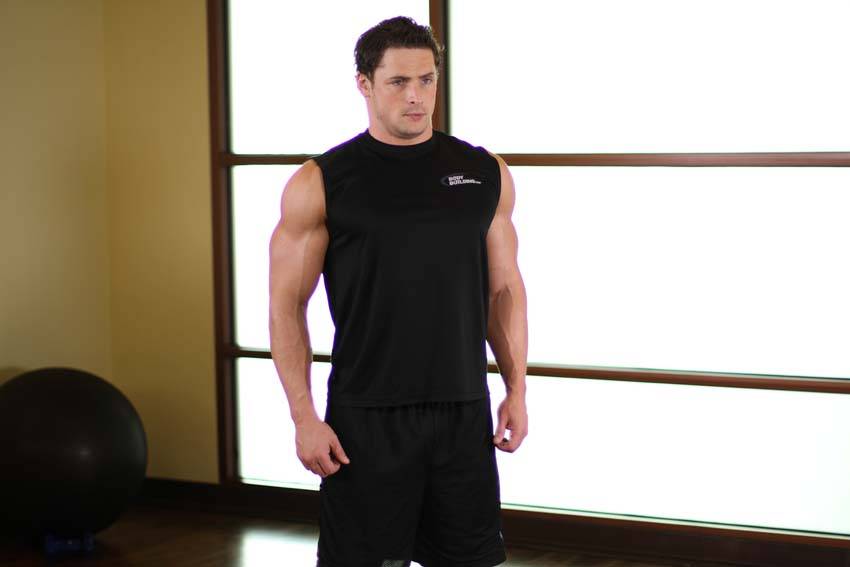
Shoulder Circles
With shoulders relaxed and arms resting loosely at your sides (or in your lap if you're seated), gently rol...