
Cable Seated Lateral Raise Exercise
Builds strength and control by improving stability, coordination, and efficient movement.
Description
Cable seated lateral raise focuses on controlled movement and maintaining proper body alignment throughout the exercise. The goal is to create tension where needed while avoiding unnecessary strain or momentum. This helps improve movement quality, joint stability, and overall physical control.
Instructions:
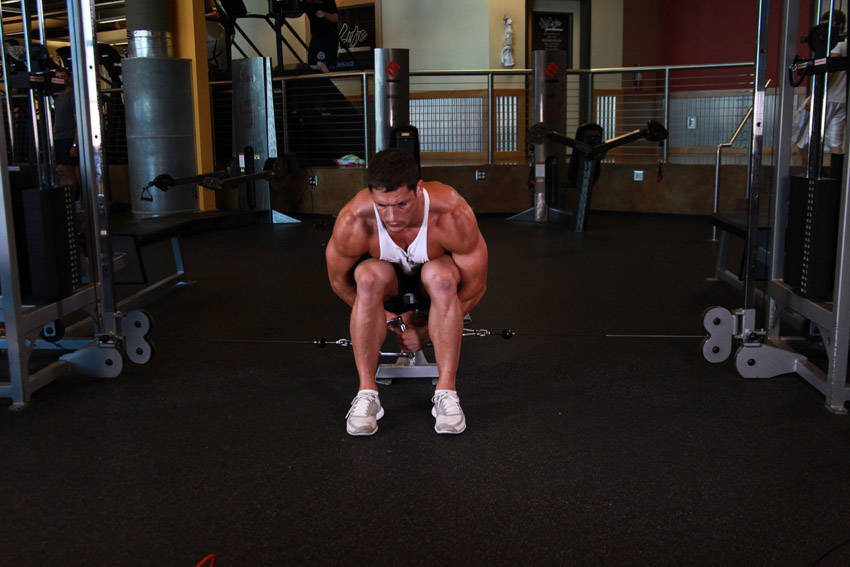
- Stand in the middle of two low pulleys that are opposite to each other and place a flat bench right behind you (in perpendicular fashion to you; the narrow edge of the bench should be the one behind you). Select the weight to be used on each pulley.
- Now sit at the edge of the flat bench behind you with your feet placed in front of your knees.
- Bend forward while keeping your back flat and rest your torso on the thighs.
- Have someone give you the single handles attached to the pulleys. Grasp the left pulley with the right hand and the right pulley with the left after you select your weight. The pulleys should run under your knees and your arms will be extended with palms facing each other and a slight bend at the elbows. This will be the starting position.
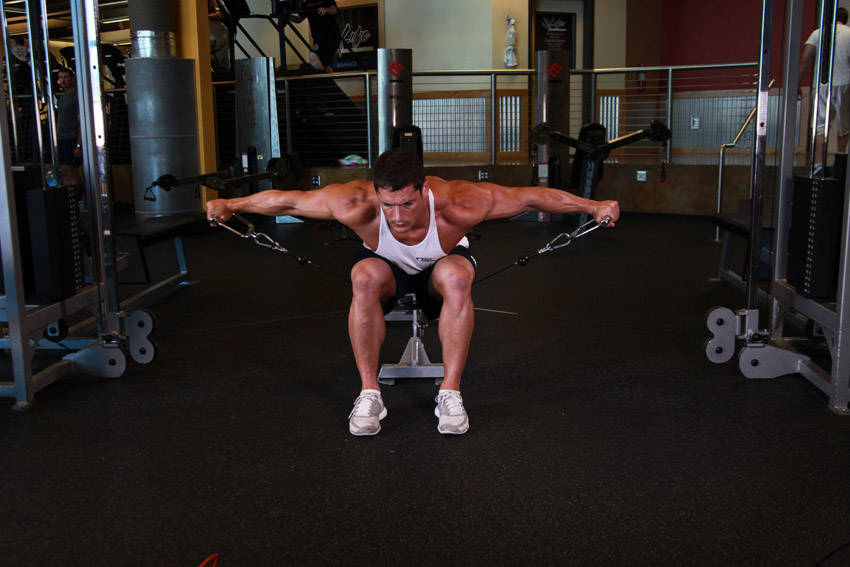
- While keeping the arms stationary, raise the upper arms to the sides until they are parallel to the floor and at shoulder height. Exhale during the execution of this movement and hold the contraction for a second.
- Slowly lower your arms to the starting position as you inhale.
- Repeat for the recommended amount of repetitions. Tip: Maintain upper arms perpendicular to torso and a fixed elbow position (10 degree to 30 degree angle) throughout exercise.
Exercise FAQ
How long or how many reps is enough?
Stop when you can’t keep alignment. Quality beats duration—shorter sets with perfect form are more effective than long shaky holds.
What’s a common form error with this movement?
Letting the hips drift or the ribs flare. Keep everything stacked so the core does the stabilizing. Think of it as raising done with repeatable, clean reps.
How can I progress this safely?
Increase time under tension, then add resistance or a harder variation. Progress only if you can keep the same clean position.
Disclaimer
This content is for educational purposes only and does not replace professional medical or fitness advice. Consult a qualified healthcare provider before beginning any new exercise routine. Exercise safely and listen to your body.
Alternative exercises:
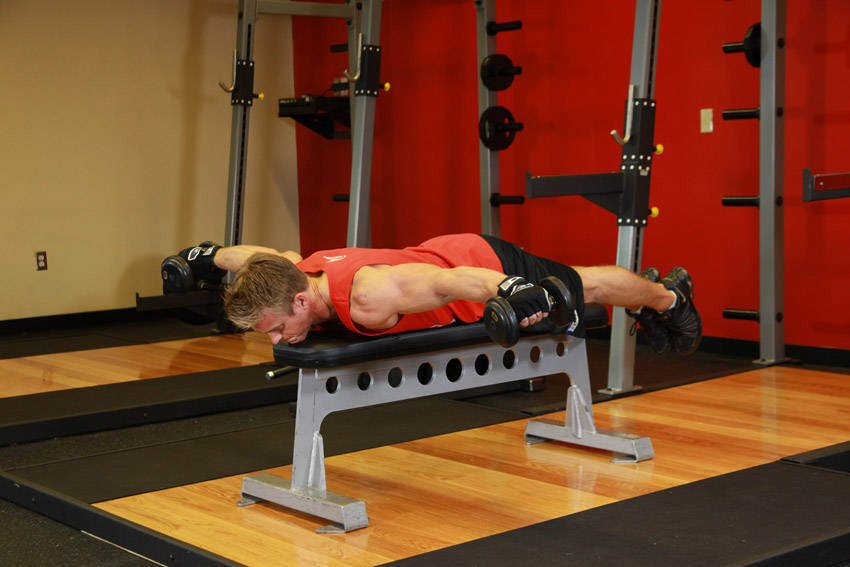
Lying Rear Delt Raise
While holding a dumbbell in each hand, lay with your chest down on a flat bench. Position the palms of the ...
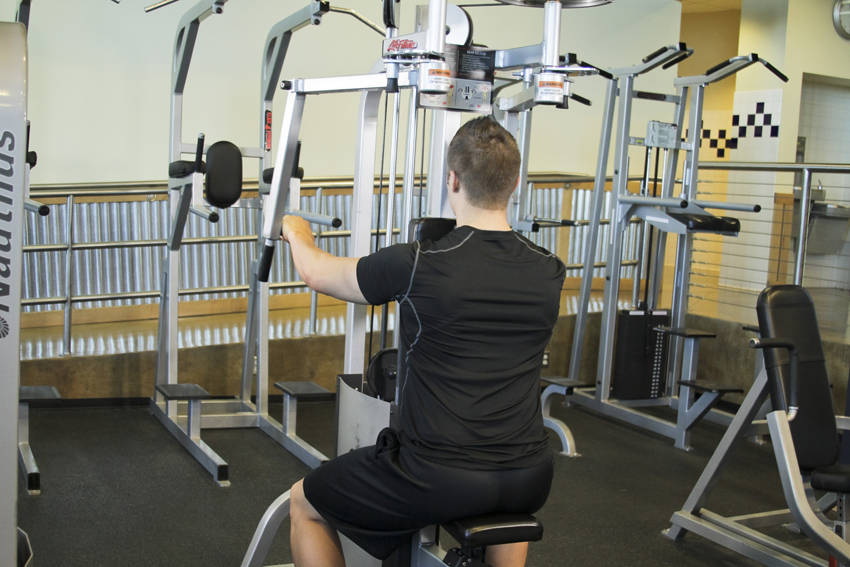
Reverse Machine Flyes
Adjust the handles so that they are fully to the rear. Make an appropriate weight selection and adjust the ...
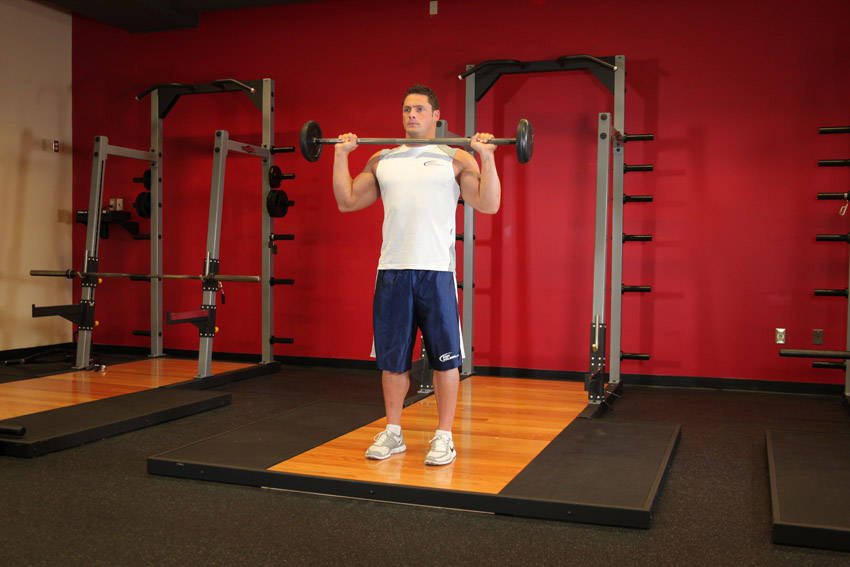
Standing Military Press
Start by placing a barbell that is about chest high on a squat rack. Once you have selected the weights, gr...