
Hamstrings Exercises
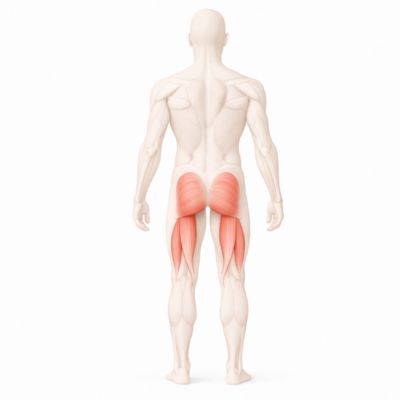 Hamstrings exercises target the muscles at the back of the upper legs that control hip extension and knee flexion. Strong hamstrings improve athletic performance, protect the knees and lower back, and support powerful, balanced lower-body movement.
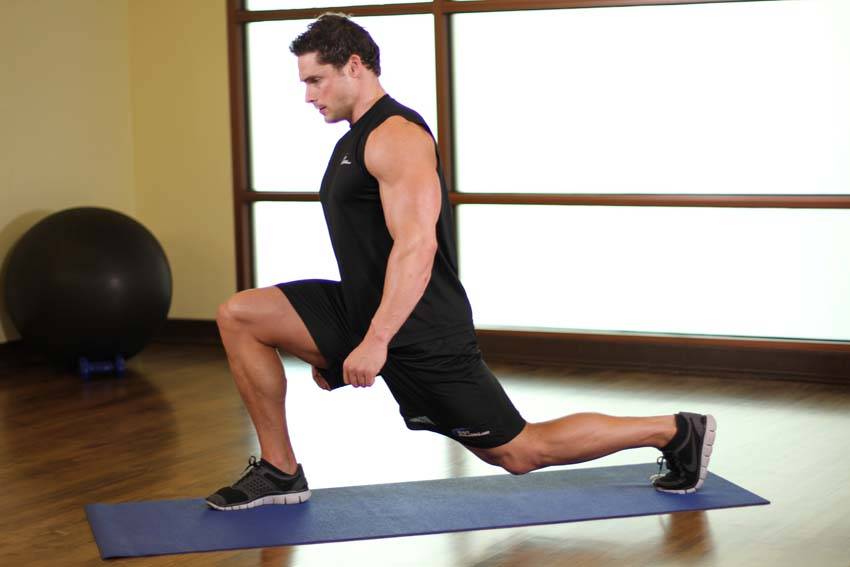
World's Greatest Stretch
This is a three-part stretch. Begin by lunging forward, with your front foot flat on the ground and on the toes of yo...
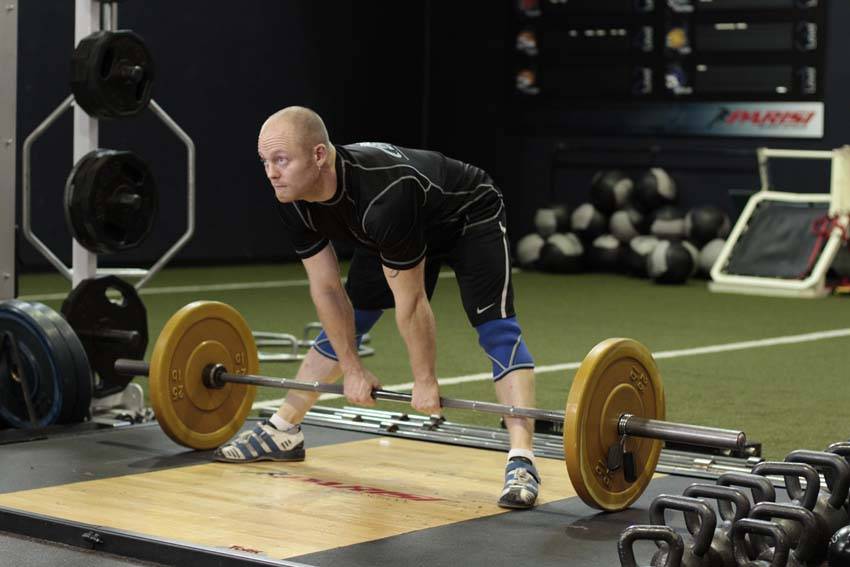
Wide Stance Stiff Legs
Begin with a barbell loaded on the floor. Adopt a wide stance, and then bend at the hips to grab the bar. Your hips s...
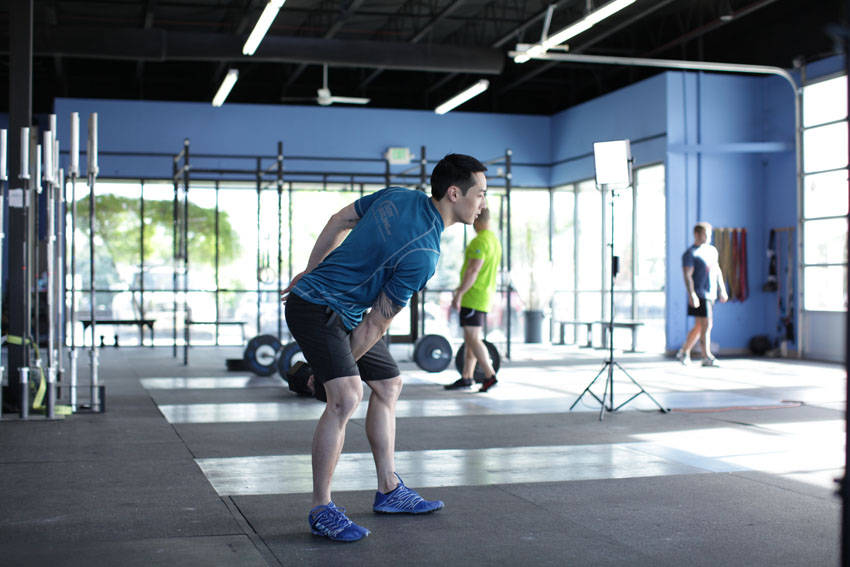
Vertical Swing
Allow the dumbbell to hang at arms length between your legs, holding it with both hands. Keep your back straight and ...
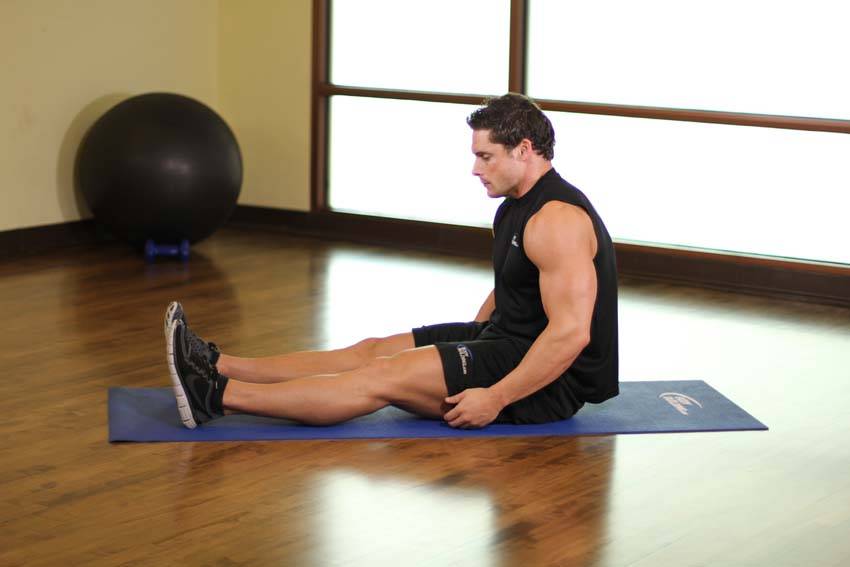
Upper Back-Leg Grab
While seated, bend forward to hug your thighs from underneath with both arms. Keep your knees together and your legs ...
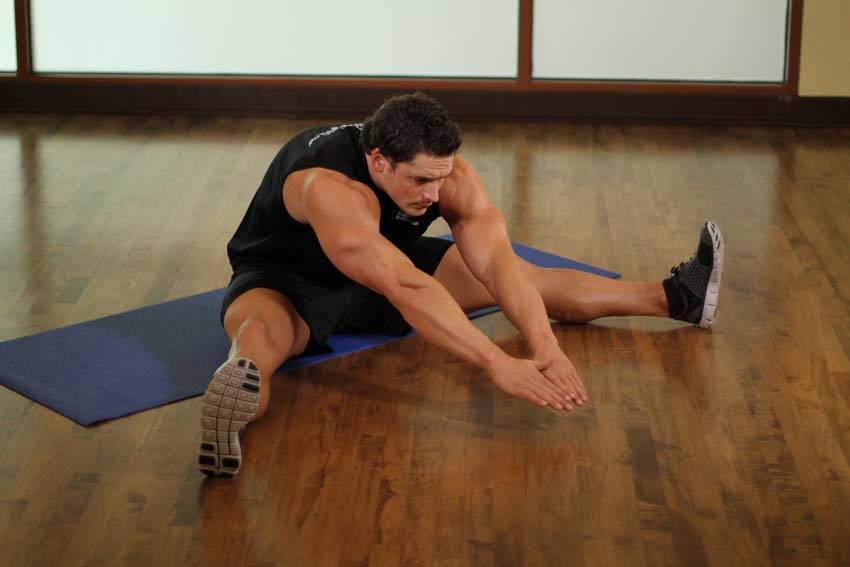
The Straddle
Begin in a seated, upright position. Start by extending your legs in front of you in a V. With your hands on the floo...
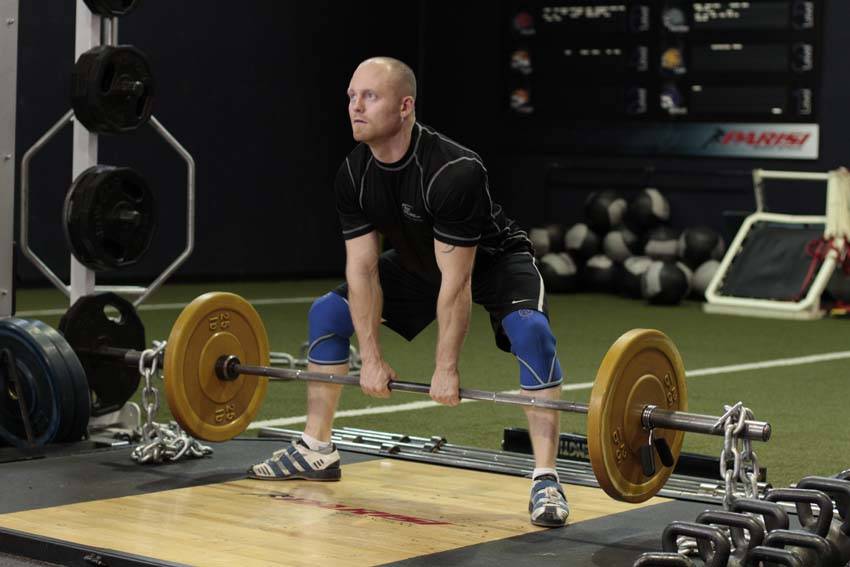
Sumo Deadlift with Chains
You can attach the chains to the sleeves of the bar, or just drape the middle over the bar so there is a greater weig...
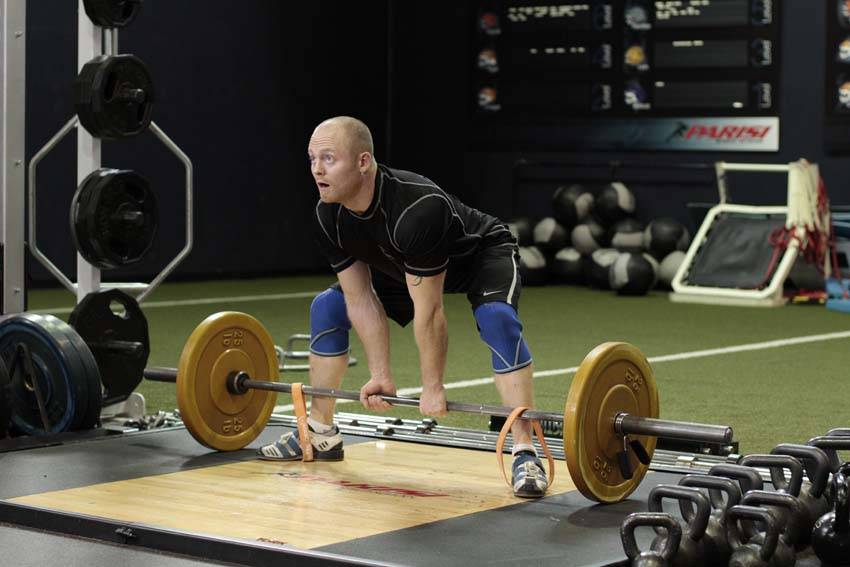
Sumo Deadlift with Bands
To deadlift with short bands, simply loop them over the bar before you start, and step into them to set up. Ensure th...
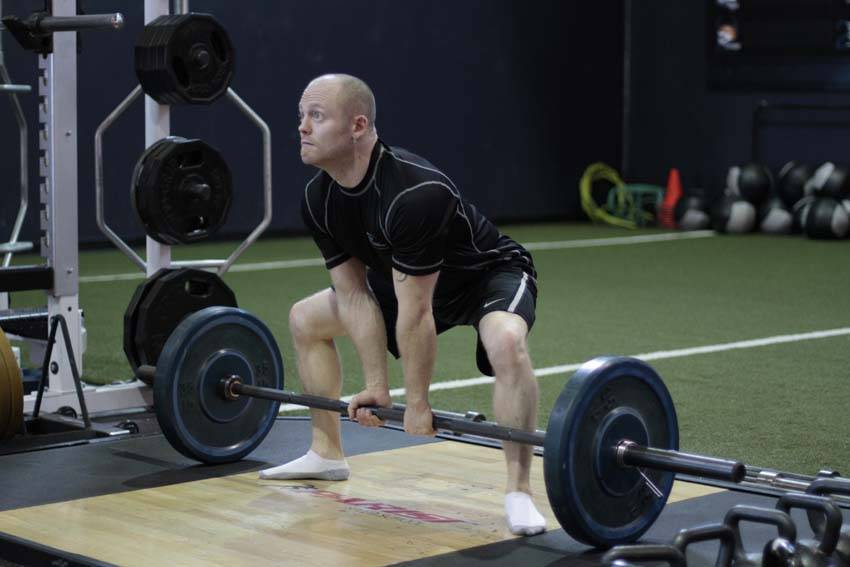
Sumo Deadlift
Begin with a bar loaded on the ground. Approach the bar so that the bar intersects the middle of the feet. The feet s...
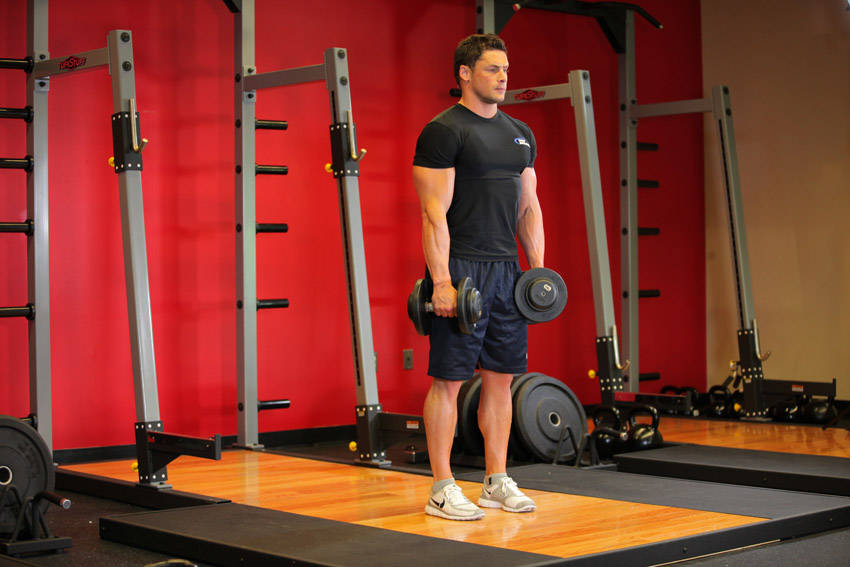
Stiff-Legged Dumbbell Deadlift
Grasp a couple of dumbbells holding them by your side at arm's length. Stand with your torso straight and your legs s...
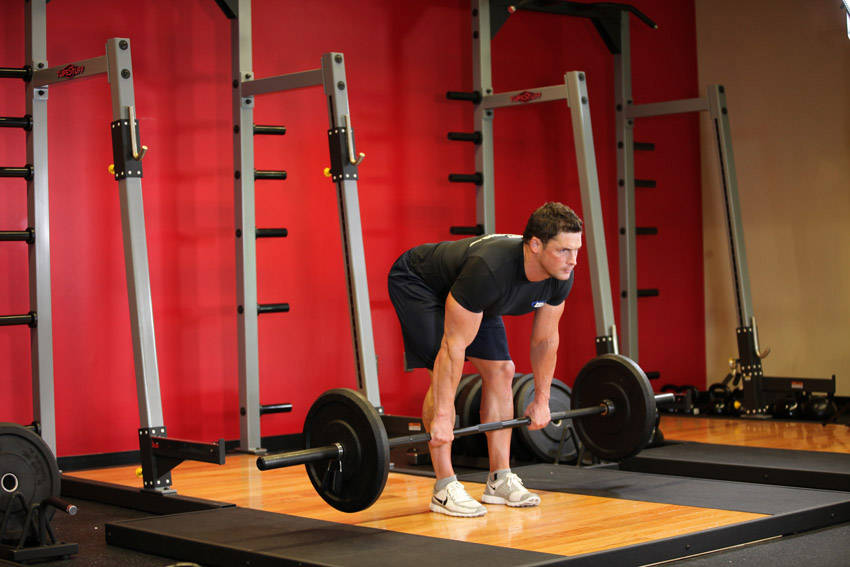
Stiff-Legged Barbell Deadlift
Grasp a bar using an overhand grip (palms facing down). You may need some wrist wraps if using a significant amount o...
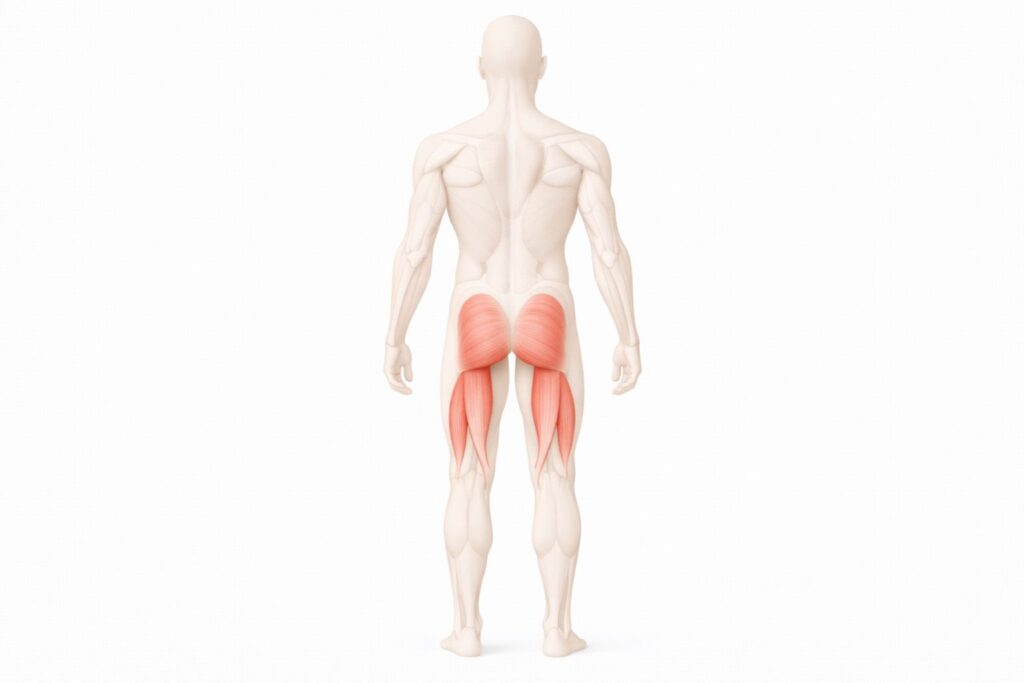
How to Train Hamstrings Effectively
The hamstrings are a group of muscles located on the back of the thighs that play a key role in hip extension, knee flexion, and lower-body stability. They are heavily involved in movements such as running, jumping, hinging, and lifting. Weak hamstrings can increase the risk of knee injuries, lower-back strain, and muscular imbalances.
To train hamstrings effectively, include both hip-dominant and knee-dominant exercises. Focus on slow, controlled repetitions and a full range of motion, especially during the eccentric (lowering) phase. Consistent progression and proper recovery are essential for building strength and resilience.
A balanced hamstrings workout often includes:
- Hip hinge movements: Romanian deadlifts, good mornings
- Knee flexion exercises: leg curls, stability ball curls
- Unilateral work: single-leg deadlifts, lunges
Form Tips for Hamstrings Training
- Maintain a neutral spine during hinge movements.
- Control the lowering phase to increase muscle engagement.
- Avoid rushing repetitions or using momentum.
- Train both legs evenly to prevent imbalances.
Common Questions
How often should hamstrings be trained?
Hamstrings can be t