
Walking, Treadmill Exercise
Builds strength and control by improving stability, coordination, and efficient movement.

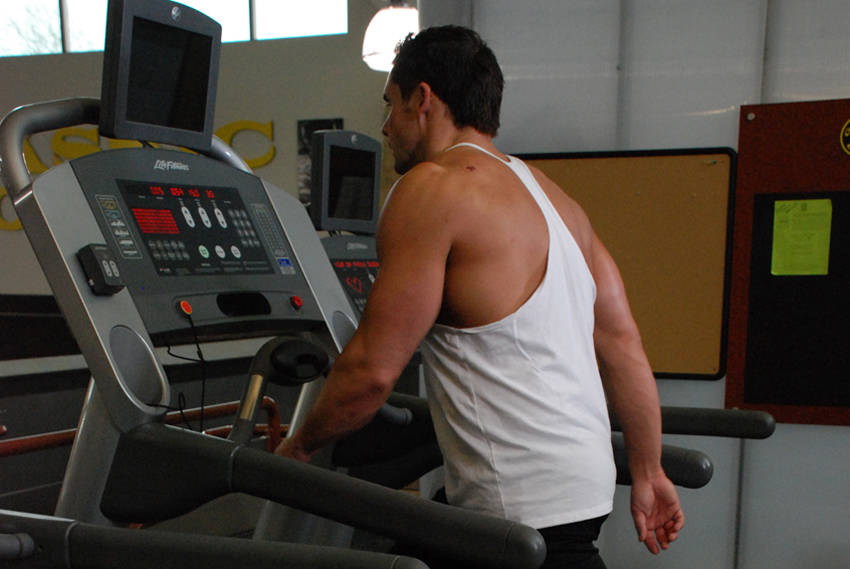
Description
Walking, treadmill focuses on controlled movement and maintaining proper body alignment throughout the exercise. The goal is to create tension where needed while avoiding unnecessary strain or momentum. This helps improve movement quality, joint stability, and overall physical control.
Instructions:
- To begin, step onto the treadmill and select the desired option from the menu. Most treadmills have a manual setting, or you can select a program to run. Typically, you can enter your age and weight to estimate the amount of calories burned during exercise. Elevation can be adjusted to change the intensity of the workout.
- Treadmills offer convenience, cardiovascular benefits, and usually have less impact than walking outside. When walking, you should move at a moderate to fast pace, not a leisurely one. Being an activity of lower intensity, walking doesn't burn as many calories as some other activities, but still provides great benefit. A 150 lb person will burn about 175 calories walking 4 miles per hour for 30 minutes, compared to 450 calories running twice as fast. Maintain proper posture as you walk, and only hold onto the handles when necessary, such as when dismounting or checking your heart rate.
Exercise FAQ
What’s the main benefit of this cardio drill?
It builds conditioning and coordination. The key is steady effort with good mechanics rather than going all-out immediately.
How can I make it easier at home?
Lower the intensity, shorten the interval, or swap to a low-impact version. You can still get a strong conditioning effect.
How often can I do this per week?
2–4 times per week works for most, depending on recovery and total training load. Keep at least one easier day if intensity is high.
Disclaimer
This content is for educational purposes only and does not replace professional medical or fitness advice. Consult a qualified healthcare provider before beginning any new exercise routine. Exercise safely and listen to your body.
Alternative exercises:
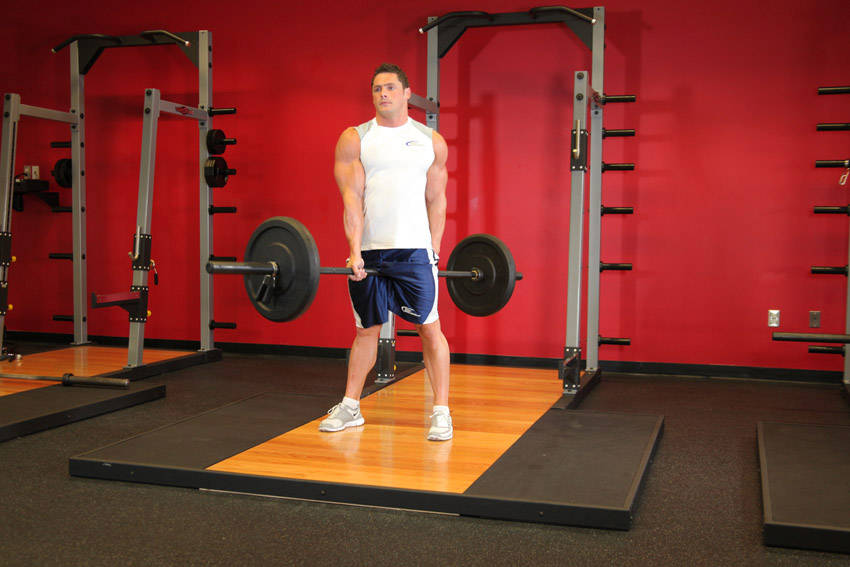
Jefferson Squats
Place a barbell on the floor. Stand in the middle of the bar length wise. Bend down by bending at the knees...
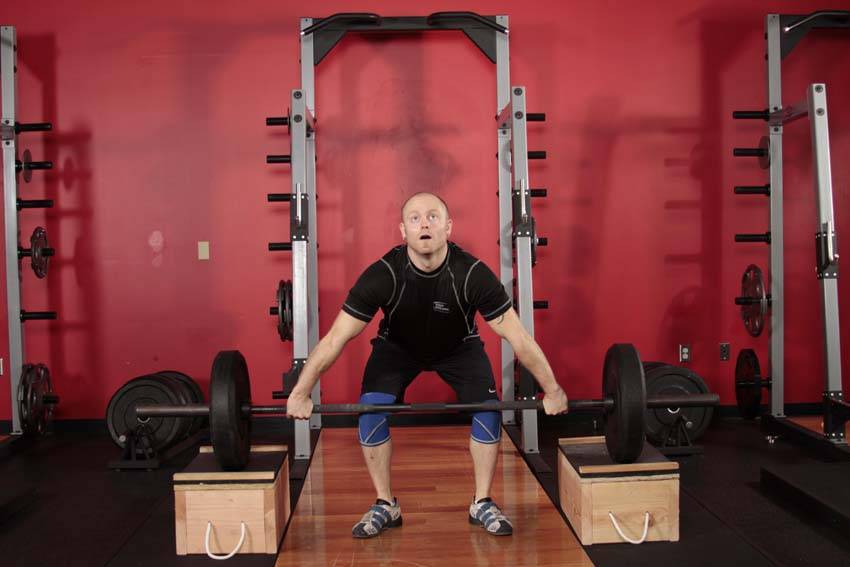
Snatch from Blocks
Begin with a loaded barbell on boxes or stands of the desired height. A wide grip should be taken on the ba...
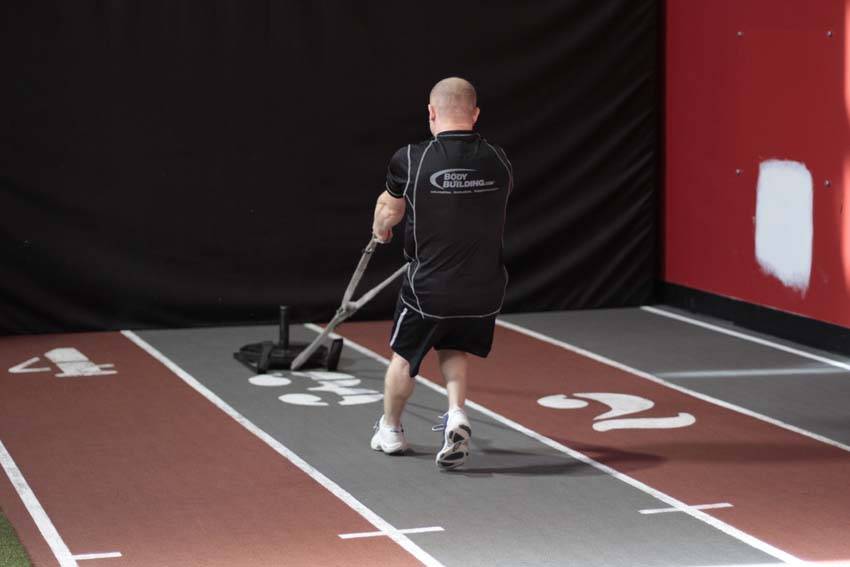
Backward Drag
Load a sled with the desired weight, attaching a rope or straps to the sled that you can hold onto. Begin t...