
Forearms Exercises
 Forearms exercises target the muscles responsible for grip strength, wrist movement, and control of the hands. Strong forearms enhance performance in pulling, lifting, and carrying movements while helping protect the wrists and elbows from overuse injuries.
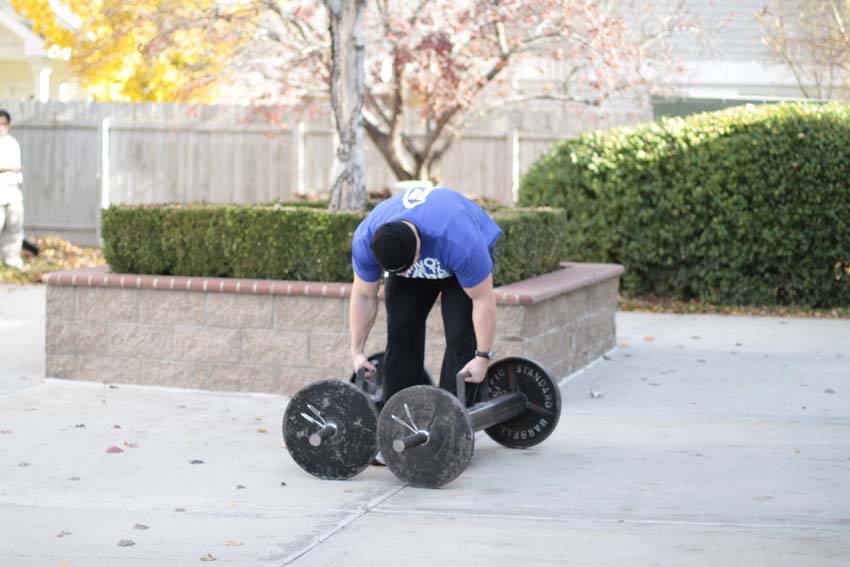
Farmer's Walk
There are various implements that can be used for the farmers walk. These can also be performed with heavy dumbbells ...

Dumbbell Lying Supination
Lie sideways on a flat bench with one arm holding a dumbbell and the other hand on top of the bench folded so that yo...
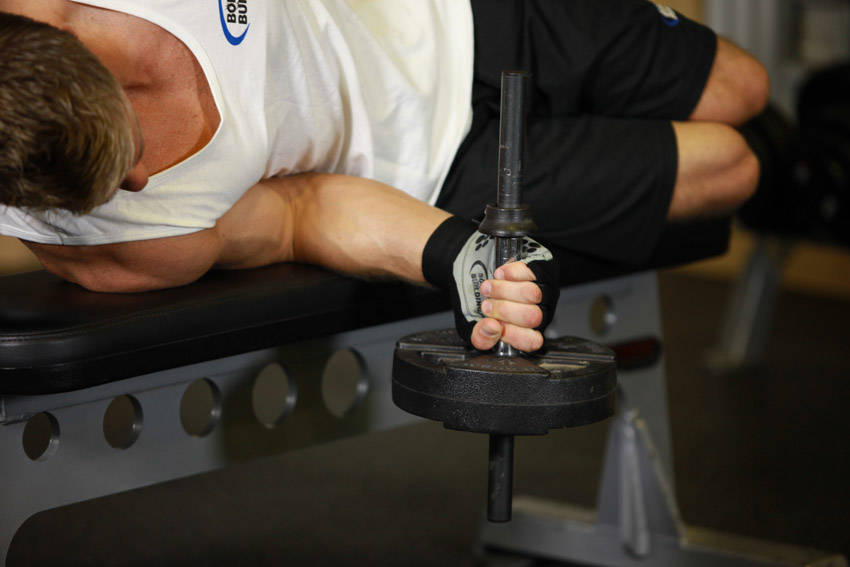
Dumbbell Lying Pronation
Lie on a flat bench face down with one arm holding a dumbbell and the other hand on top of the bench folded so that y...
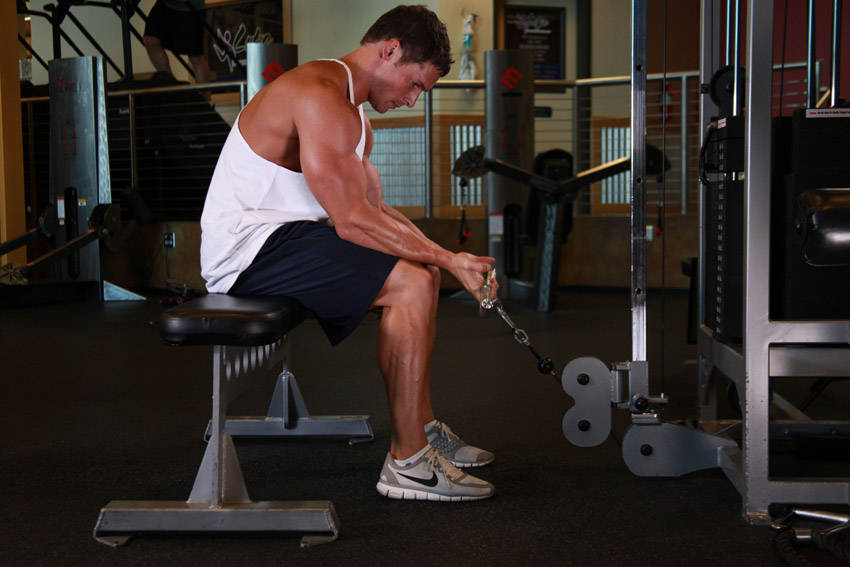
Cable Wrist Curl
Start out by placing a flat bench in front of a low pulley cable that has a straight bar attachment. Use your arms to...
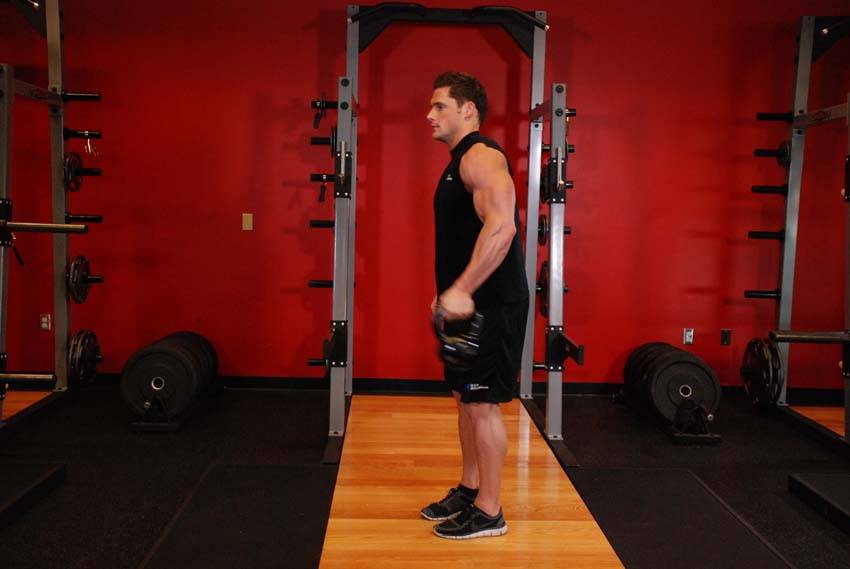
Bottoms-Up Clean From The Hang Position
Initiate the exercise by standing upright with a kettlebell in one hand. Swing the kettlebell back forcefully and the...

How to Train Forearms Effectively
The forearm muscles control wrist flexion, extension, rotation, and grip strength. They are heavily involved in pulling exercises, deadlifts, rows, and everyday tasks that require holding or carrying objects. Weak forearms can limit overall strength and lead to wrist or elbow discomfort.
To train forearms effectively, use a mix of direct isolation work and grip-intensive compound exercises. Focus on controlled movements through a full range of motion and avoid excessive momentum. Forearms often respond well to higher repetitions and frequent training due to their endurance-oriented muscle fibers.
A balanced forearms workout often includes:
- Wrist flexion: wrist curls, cable wrist curls
- Wrist extension: reverse wrist curls, band extensions
- Grip work: farmer’s carries, hangs, thick-grip holds
Form Tips for Forearm Training
- Move slowly and control both lifting and lowering phases.
- Avoid bending the elbows when performing wrist-focused movements.
- Train both flexors and extensors for balanced strength.
- Allow adequate recovery if wrists or elbows feel overworked.
Common Questions
How often should forearms be trained?
Forearms can be trained 2–4 times per week, depending on overall training volume and recovery.
Do compound exercises train forearms?
Yes. Pulling and grip-heavy exercises engage forearms significantly, but direct work helps build strength and endurance faster.